We Live to Build Logo
    30:522021-03-12

    How to Know Exactly Who Your First Hire Should Be

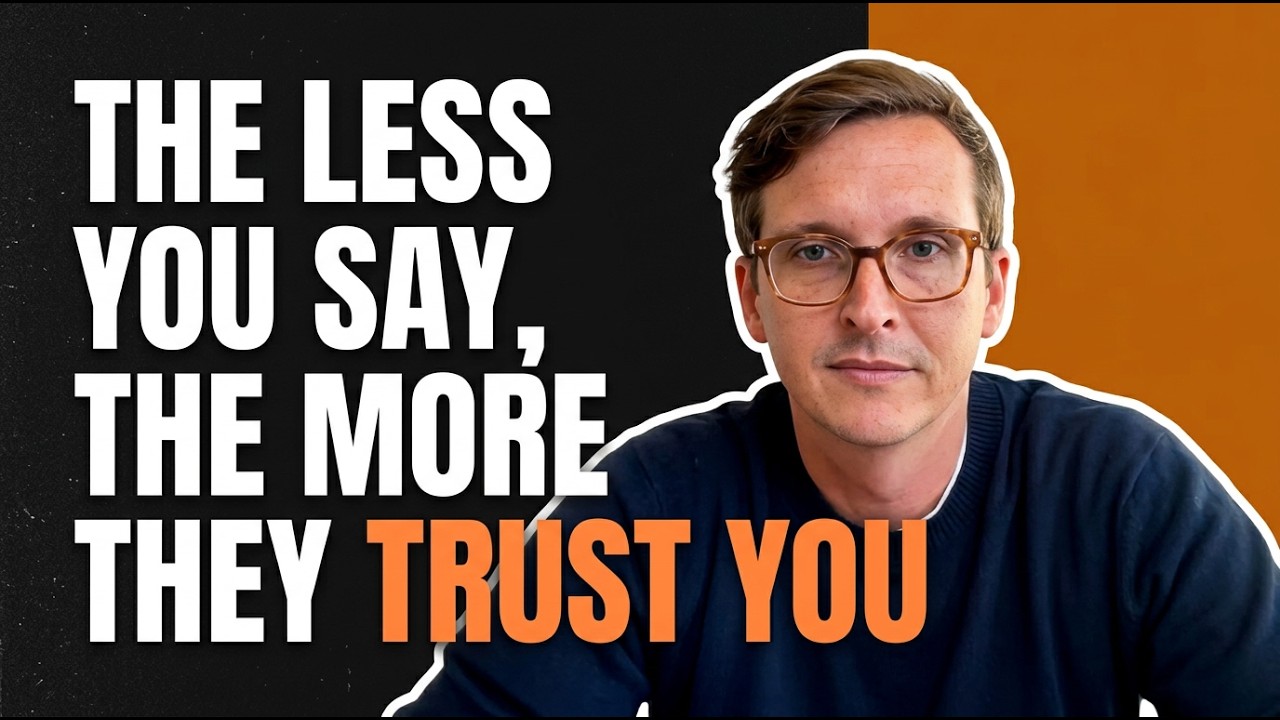
    Do you know exactly who your first hire should be? In this interview, former Head of HR Pia Beck reveals a simple but powerful strategy for making your first hire: audit how you spend your time, identify the most time-consuming tasks that you don't need to be doing, and hire someone to solve that specific problem.

    Hiring StrategyTeam BuildingHR Management

    Guest

    Pia Beck

    CEO & HR Strategist, Curate Well Co.

    Chapters

    00:00-How to Know Exactly Who Your First Hire Should Be
    01:56-The Vision & Values You Need Before You Hire
    06:26-A Simple Time-Audit to Reveal Your First Hire
    10:30-How to Build a Fair and Effective Hiring Process
    16:49-The #1 Interview Question That Reveals Everything
    22:49-The 3 Things You MUST Give Your Team to Succeed
    28:16-Why Culture is Your Best Recruiting Tool

    Full Transcript

    Sean Weisbrot: Welcome back to another episode of the We Live to Build podcast. Recruiting, onboarding, retaining, and upskilling should be one of the things every company owner thinks about and develops a solid strategy around. Because without a team, your company won't survive in the long term.

    Sean Weisbrot: Today's guest is Pia Beck, the CEO of Curate Well Co, which coaches impact-driven entrepreneurs who want to intentionally scale while maintaining the integrity of their work and without losing connection to their community. Pia spent a lot of time in HR management before starting this company and can relate to the nuances of bringing humanity to the forefront of your organization. We talk about how can you establish an HR strategy? How do you know the first person to hire for the second, the third, etc.? What is the best way to search for potential people? How can you set up a hiring process that measures everyone in the same way? What would a normal hiring process look like? What are great questions you ask during an interview and the three things she gives her employees, plus a lot more. So, thanks so much to Pia and I hope you enjoy the show.

    Sean Weisbrot: What it is you're doing right now and why you are the right person to talk about this topic?

    Pia Beck: Yeah, definitely. So, I am the owner of Curate Well Co, which is coaching, consulting and community for impact-driven entrepreneurs who want to scale intentionally. What I do is help my clients optimize their impact of their largely service-based businesses without losing connection to their community. I serve mostly female entrepreneurs who are out to make a difference in the world, and I came from a career in HR people, operations, and recruiting. So, I found, surprisingly, that a lot of that world has carried over and really set me up for success in the entrepreneurial world.

    Pia Beck: I got started in recruiting. I was recruiting software engineers at a tech company. I moved on to be the head of HR to national startup company, managing the whole HR function and notably in that role, really helping the company create trickle-down HR processes to be able to serve teams in cities all over the country. Where I wasn't when I started my own business, I thought I was leaving all of that world behind. And it's actually an experience that I'm just so glad that I had. That has just served me super well in my entrepreneurial journey in, you know, a direct sense in growing my own team and in a lot of indirect ways as well. So excited to be here and to be able to talk about this.

    Sean Weisbrot: Thanks for the introduction. I really appreciate it. One question or two questions, I guess before we get into the meat of the conversation. What was the size of that team from that company? And why did you want to leave the company?

    Pia Beck: Yeah, so it was when I joined about 70, 75 people. By the time I left, it was, uh, somewhere between 150 and 175. So really fast growth, large team in four different time zones. And, uh, the reason why I left was, you know, I was really good at parts of my job, and I really enjoyed parts of my job. And ultimately, I felt like I could make a bigger difference by doing things my own way and doing them in a different format. I love working with people and I love process, and I got to do both of those things in that job, and I get to do both of those things now. And, you know, on my own terms and in my own way, I get to be way more creative and I get to ultimately help more people.

    Sean Weisbrot: Okay. Makes sense. I can definitely see that. I remember being an HR manager for two companies before I started my own. I found it to be hard just because of the circumstance that the first company belonged to my dad. So, I was basically walking into a business where, you know, these people are in their 50s, some of them in their 60s. They've been with my dad for years. They know him as the boss. And now I come in and take over. And who am I? Like? Yeah, you're just a doctor's son. So, I had to fight with them on that a little bit. I ended up firing all of them because they refused to acknowledge that I was their boss. And, you know, they were being difficult. But when I hired the next group of people to replace them all, I was able to then teach them better ways of doing things because, for example, like my dad's a dentist, so they had a software that they use. And in order for me to be able to manage them, I had to understand the software better than them.

    Sean Weisbrot: Some of these people have been using this software for 20 years, and I came in in two weeks and figured out how to use it better than they did, and so they didn't really like the idea that, like, this kid, this 25-year-old, you know, comes in and tells me how to do my job. But the reality was, I knew how to do the I know I knew how to use the software better than them because I figured out, you know, how to hack it basically, and was able to make a lot of changes. Anyways. Uh, the second job I also hired was in a company where the people who were working there weren't terribly great, and so I insisted on changing the contract structure and how we paid them and increasing salaries and then hired a new group of people that were outside of the country.

    Sean Weisbrot: This was in China. So, I was hiring people to come into China for the first time. And so, I was able to get much better talent and all that. So, I also really enjoyed the process of figuring out what's not working. How can I fix it? How can I make it better? And then how can I find the right people to fit into that system? Because the system that was existing before it doesn't work very well, and the people have already gotten complacent, and so it's hard to get them to change. So, with that rant over, let's get into HR strategy. And how can you establish a strategy for your company?

    Pia Beck: So, I think that what this really comes down to is a couple of things. I think that there's no like one right or wrong way to put a strategy in place for your human resource function. In my experience, it comes down to having a long-term vision of where you see the company going and arguably more important, where you see each person in the company going and having core values that really dictate how you do what you do in the business. And then a really crucial step is enrolling your people in both of those things.

    Pia Beck: I think that if you have those two things in place, everything else will come as you start the doing. And I think that, you know, when it comes to finding the right people and rolling the right people, getting people engaged and activated and interested, you have to operate in that intersection of the company's best interest and those people's personal interest. And I think that that comes through having the vision, having the values, and enrolling people in that so that you can share those things together and have them really understand how their time at your company is going to support their own personal vision and their own personal goals.

    Sean Weisbrot: You said something. I want to clarify. You made me feel like when you have a vision, you're establishing this vision before you hire people. Yes. Obviously, product and corporate vision. Obviously, you need to have that before you, you know, you hire people. But I'm talking about an HR vision, an HR strategy before you start hiring anybody. Is that right?

    Pia Beck: Yeah, I think I think vision in all sense. And I think that if you're going to pull people into what you're doing, having a clear vision of how you want your team to operate, what you want your team to feel like, what are your operating principles? How do you work together? How does each person play a role in what you're doing? What are the roles that you want to have? What is the balance of the different types of personalities you want to have on your team? I think all those things are important before you bring people into that with you.

    Sean Weisbrot: Okay, well, that makes more sense because I guess the way you said it made me feel like you should know exactly like who you should hire, when you should hire them and all that. And I think from my experience, it's kind of hard to know how that's going to work until you start to see where are the gaps in my abilities and things like that.

    Pia Beck: Yeah, absolutely. And I agree with you on that 100%. We've definitely hired accurate welcome in a very agile sense. I would say.

    Sean Weisbrot: Okay. So then once you have a company strategy and an HR strategy for the culture you want to build and things like that, how can you determine the first position to hire for the second position, etc.?

    Pia Beck: What's been really helpful for me and how I did this and, and what I recommend is to do an audit on how you're spending your time. What are the most time-consuming tasks that you have in your role, and then analyzing those things? So, is this something that I need to be doing? Is this the thing that I want to be spending this much time on? And which of these things that I'm spending this much time on could be handed off to somebody else could be done better by somebody else, potentially.

    Pia Beck: And so identifying what are those main things that you spend your time on and then looking at I would say the top like 3 to 5 and analyzing. Do I need to do this? Like truthfully, is it something that I need to own for the success of this company, or is this something that would be better handled by somebody else and I would hire to? Fill like those specific needs. And then as the company grows, as the demand grows, as the inner workings grow, other gaps will start to reveal themselves.

    Sean Weisbrot: Okay, this seems like a pretty wise strategy. I like the idea of doing things in an agile way. When I first started Sidekick, we weren't terribly agile. We thought we were, but we weren't because I didn't understand what agile really meant. And I'd say in the last year I've learned to be more agile. So yeah, that's good advice. So once, you know, I guess the next position you should be hiring for. How do you find that person? What is the best way to search for potential candidates?

    Pia Beck: I think this really depends on the business. Um, I mean, you can definitely post a job ad. You can, you know, collect applications, you can put it out on the internet in all the places where people look for jobs and what has worked really well for the type of business that I run and the size of team that I have and that I want, is building long term relationships in my community. I was building relationships with people who were telling me that they liked what I was doing, who expressed some degree of interest in getting involved in some capacity for a long time before I was actually ready to hire. And so, when it came time to actually build my team, I had this network of people who either had expressed interest in working with me, who I then interviewed and, and qualified and or knew someone who wanted to be involved. And so, I took a really community-based approach to building my team and really sourced from the relationships that I'd been building long before I was actually ready to bring someone on.

    Pia Beck: There's pros and cons to that. I think that it was really important to me to have people who were bought in to what Curate Well Co was doing, right, who had interest before they saw the job rack go up, and who really could get behind the ethos of what we're up to. And you'll definitely widen your candidate pool by posting online, by talking to people that you wouldn't have met otherwise. So, pros and cons to both.

    Sean Weisbrot: I think that's an interesting strategy for sure. I've actually just hired someone a week ago to be a web developer, and he joined our telegram channel like 6 or 7 months ago, and he's been following our development. We didn't even have a web strategy at that point. And when we posted that we were looking for a web developer who was one of the first people to apply, and we hired him like a week later. So, I definitely understand that's a great way to do it. Another thing that I've done is when I want to hire a new position, I'll ask every single one of my team members. Can you recommend someone for this position? For example, if I have an Android developer and I need another Android developer, I'll ask that Android developer. Do you have someone else that you've worked with who's good in Android that we could potentially hire?

    Sean Weisbrot: I think talking to your current team, if you have a team already, talking to your team and getting them to recommend people is the fastest way to get other great talent. Because if you have hired this person and you trust them and they're telling you they've worked with someone and they trust that person, then it's a natural that by extension, you should trust them as well. And so, the process for hiring is a lot shorter because of it. So how can you set up a hiring process that measures everyone in the same way, so that, you know, when you're hiring someone from your candidate pool, you're hiring the right person?

    Pia Beck: This is one of the things that when I was like, really deep in the HR world, but I actually saw a lot of resistance to quite often. And it is super, super important to make sure that you're comparing apples to apples instead of apples to oranges. And so, putting everyone through an identical process is really, really necessary, not only to do to do your due diligence and make sure that you're hiring the right person, but also to make sure that you are being objective and fair in how you are evaluating your candidates.

    Pia Beck: So, it really just looks like making sure that every single person has the same experience. So, for a particular job, all the candidates need to have the same experience. They need to go through the same process and they need to be asked the same question. So, for example, let's say that you've mapped out an interview process that has some sort of intro call, a preliminary interview, and then a secondary interview, and then a third interview with the team.

    Pia Beck: Every single person in that candidate pool for that position should go through all of those interviews, and within those interviews, they should be asked the same set of questions so that you can really confidently say that you are comparing apples to apples and you're not taking person A's answered a question one and comparing it to Person B's answer to question two. Right. We want to make sure that we're comparing as the same information for all people. And so, it looks like mapping your hiring process out in advance so that you can ensure that every single person has the exact same experience.

    Sean Weisbrot: Yeah. Makes sense. I was going to ask what does a normal hiring process look like? But I guess you kind of already outlined it. So, I'll just share real quickly the hiring process that I use for Sidekick. So, what I'll do is I'll normally have an informal text-based chat with them on whatever platform they found me, or I found them like LinkedIn or Messenger or whatever. I'll make sure I'll ask things like, you know what? Why do you want to leave your company right now? Or do you plan on leaving the company? Some people don't want to leave their company, but they want another job or whatever.

    Sean Weisbrot: You know, if we were to hire you, how soon could you, you know, be full-time? Because some people, like in the Philippines, for example, have to give one month's notice or two months notice. So, they'll end up because I ask, I'll say, well, can you work for us part-time or can you double full-time for us, you know, while you're waiting for that month to end? So, I'm basically just trying to get a sense of, you know, who is this person? What are they looking for? Or do we agree on certain things? and if that's okay, then the next step will be like a hard skills test. So, if they're a coder. All right well here's a coding test. Do the test and we'll review it. Oftentimes they will not be perfect. So, we'll say all right this is the pros. This is the cons of your submission. Go and fix those things and show us that you can improve.

    Sean Weisbrot: And so that gives us the chance to see like oh well are they angry that we've told them their things are bad or so how do they respond to this, you know, criticism where we give them positive and negative feedback on what they've done. And, you know, if they if they listen and they made the changes, then obviously they're someone who's open-minded. So okay, we could probably work with them and their code's not bad. And then we'll have an interview where I will specifically ask them questions that I've picked that are based on psychology, so I can understand their personality and their potential to fit into our culture, things like that.

    Sean Weisbrot: More recently, I've been hiring people without those questions, but instead their interview after their coding test will be like, this is a problem that we're currently dealing with. How would you solve it? Tell me right now, like take a few minutes to think, but tell me how you would solve it. And then we listen to them explain their thought process, and that helps us to understand if they actually have the ability to strategize, plan and then execute. And so that's been very important for us in hiring fantastic people. So, what are some great questions you would ask during an interview when you're dealing with people?

    Pia Beck: The way that I like to phrase my questions is actually in the past tense and eliciting a specific example. So instead of saying, how would you do x, y, and Z? Almost like a hypothetical, I like to ask, tell me about a time when you did X, Y, and Z. What worked? What didn't? What did you learn? What would you do differently next time? And really, the very first thing I'm paying attention to is did they listen to the question? And are they giving a specific example, and do they have a specific example to give right away? That's going to tell you whether or not they're a good fit. And then depending on how they go about answering the rest of that question, you can get a feel for exactly what you were talking about. It's one of my favorite ways to ask interview questions because people tend to know the quote-unquote right answer to a question. And so, if you ask for a specific example, you're calling upon them to actually speak to an experience they've had, and it's just going to give you so much more information.

    Sean Weisbrot: Yeah, it's a great example. I love those as well. I also have some really, uh, weird questions that people are like, what the hell did you really just ask that? Are humans the best thing or the worst thing to ever happen to Earth or our humans, the smartest creatures on the planet?

    Pia Beck: What are you getting at with those questions? Like what? What's the what's the why behind those questions? What are you hoping to understand?

    Sean Weisbrot: If a person believes that humans are the best species in the planet or the best thing that happened to Earth, then I would question their sense of general self-awareness and global awareness. Because the reality is humans are destroying the planet. There's a lot of negative things that are happening to the planet because of human behavior. And so why? A human is brainwashed to believe that humans are great and probably the greatest of all species.

    Sean Weisbrot: Because we can collaborate, we can communicate, we can do X, Y, and Z. The reality is, we don't really know much about most of the other species. Like we know that dolphins and whales save humans. We know that, you know, sharks aren't really that dangerous. They are quite friendly if you're, you know, non-threatening. So, there's a lot of species that are social, that communicate. They have their own societies. What makes humans any better than them? Right. So, I like to get deep into the psychology of people and see just how self-aware they are.

    Pia Beck: Yeah, I get that now. Thanks for that explanation. Super helpful to understand what your thought process was there.

    Sean Weisbrot: Sure. And so, I also have things like if you could travel in time, where would you go? Why would you go there, and what would you do or who would you meet? Like what? What's your purpose in going there? Because again, everybody has their own thought process. So, some people would be like, yeah, I want to go back and meet, you know, the leader. Like I want to meet Winston Churchill. Right? Okay. Fair enough. So, I want to be like, I want to meet Jesus, okay. Like that, if that's what you think is what you want to do, like that's fine. You know, why do you want to do that? So, I really love to do that because they are questions people aren't normally asked. And so it just gives you a totally different angle of their personality.

    Pia Beck: I love that the widening of the perspective of just like seeing a side of someone that they wouldn't necessarily show if you didn't ask those questions, I love that.

    Sean Weisbrot: Would you ask someone what their expected salary is, or ask them what their last salary was?

    Pia Beck: I would ask both because I want to know where they're and then I would ask follow up questions around that, like tell me about your full compensation structure, what worked for you, what didn't work for you, etc.. And, you know, I think that there's a like playing of the game that happens in salary negotiations, right, of like, I'm not going to say it first. You say at first there's this kind of like unspoken conversation. And I think that having being on the same page as someone is necessary to continue any sort of conversation. And so, if we cannot play the game at all, the way to win the game is to not play the game. If we cannot play the game and just get on the same page and have a really open conversation about where you want to be financially and whether or not that's something that my company would be able to provide for you or not. I think that that's just a way to kick off the relationship and a really transparent and mutually respected way.

    Sean Weisbrot: I've been asking people what their expected salary was. I haven't been asking what they were making before. My COO wanted me to stop asking what they expect and start asking what they were making, and then tell them what we can offer because he's mapped out. Uh, market averages and range, you know, salary ranges based on skill grades and different positions, things like that.

    Pia Beck: You know, I really come from the perspective and like, especially with my team, this has been a huge learning lesson for me in the past year is that you know, I'm a super logical, practical, heavy person and we can do all the projections, we can do the market analysis, we can do the pro forma and say, this is what we have in our budget to be able to hire these people. And that's all really good, really necessary work.

    Pia Beck: And at the end of the day, you're hiring humans. And there's a certain human element that I think if that's not honored, it's just going to bubble up later has been like my experience. And so, is there a way to blend the very necessary, like business planning and structure with the fact that, you know, work is a huge part of our lives? It's a huge part of our human experience. And is there a way in how we interview people, how we hire people? How we create the culture in our businesses to blend those two.

    Sean Weisbrot: And I think that's where my COO and I do well together because I am very in the mindset of the humanity of what we do. And he is very much in the data and the analysis of what we do. And so, I think that compliments as well, because I don't want to sit there and analyze the numbers. And so, I'm happy to let him do all of that stuff. He will tell me, okay, you're greenlit to hire a software tester, and I'll go and I'll find them and I'll go through the process with them.

    Pia Beck: Yeah, it's a huge part of our culture, too. And I think it's important to bring that up in the hiring process. Right. To say we will ask you to think differently. We will put you in positions that are maybe uncomfortable. And if that's going to help you get to where you want to be personally, if that's going to support your personal and professional goals, then great. We're aligned. That's a great fit.

    Sean Weisbrot: So, what's something I haven't asked you so far that you wish I would ask about the hiring process and HR and all that?

    Pia Beck: One thing we haven't talked a lot about, which is something that's really important to me, is just the workplace culture, whether you're actually in a workplace or virtually. Most of us are working virtually now, and especially in a virtual workplace. The culture that we create, I think is super, super important. This has been a really big focus for me the last year on my team, and especially as an entrepreneur. When you're bringing other people into your vision, when you're rolling people and your vision, you're sharing it with them, and it's been one of the more challenging and also fulfilling parts of hiring and having an HR function within my own business is how do we define the culture, and how do we set the tone for what this company is doing in a way that is digestible and implementable for everyone?

    Pia Beck: And so, you know, there are certain things that in my career I never, ever got when I worked for anybody else. And I was like, when I have my own team, you're going to get these three things because no one ever gave me that. And I want to be able to give you that. That fits for you. If that's appealing to you, great. If not, then you know we'll have that conversation separately. And on the flip side, really making sure that the way that I want our work to go is documented and communicated in a way that sets people up to take full ownership. And I think those things are fairly intertwined. But those are just a few of kind of the cultural pieces that have been huge for us in the last year.

    Sean Weisbrot: What are those three things that you said you never got at other companies that you wanted to give yours?

    Pia Beck: Mentorship and growth opportunities was really the first one. You know, I had a lot of great managers. I had a lot of great bosses. I was put in positions where I did grow, and I rarely had, like a mentor on my team who was continuously giving me feedback and pouring into me and pushing me to be better. Um, I think that, you know, I'm super Type-A. And so, I think a lot of my managers were like, oh, she's good. Like she's on top of it. And I really craved someone to, like, push me. And so that's a huge part of our culture, is we're always going to be integrating the feedback. We're always going to be challenging ourselves to do this differently.

    Pia Beck: The second thing was, um, a really generous PTO policy. Um, I wanted my team to have like, yes, competitive for our industry and the size of business that we are, but also competitive like in the US. Um, it was really important to me that we were kind of ahead of the curve on that. And then the third thing is just like flexibility. Um, so for example, we do fade out Fridays. So, if you got your stuff done when you're done on Friday like you can leave, there's no reason for you to punch a clock or stick around, like get your stuff done and head out for your weekend as soon as you want to. So those are a couple of the things that I just know I would really would have appreciated when I was employed by other people.

    Sean Weisbrot: Those are all very important things. Uh, I agree with doing all of them, uh, within my own team, and I've mentioned this before. With my team. I don't know when they clock in and when they clock out, I don't ask. All I know is I can see that they're doing something right. I can see that they're pushing code. As long as I see people getting things done, I don't care what hour of the day they want to do it right? I don't need you to be in your seat at 9 a.m. If you are a person who sleeps until 2 p.m. and you work from 3 p.m. to midnight like I don't care. But it's also because a lot of the people that I hire are already married and or have kids, and so I need to have them focus on their family life first and their personal life so that when they are ready to work, there's nothing stopping them or blocking them mentally from being able to focus on their work.

    Sean Weisbrot: With the mentorship as well, the team is always helping each other like so. I have a weekly report that I have everyone fill out, and it's the same report every week and it's the same report for everybody where it's like, how do you feel overall this past week, on a scale of 1 to 10, in terms of your mood and your mental clarity and things like that? Eight, nine, ten, whatever. Sometimes it's five. Okay. Well, you know, let me talk to them. Why is it a five? Like, are you okay? Is there something going on at home that you want to talk about? Everything I ask is very specific in how we can understand the person, because I don't have the time to talk to everyone from the team all day long, right?

    Sean Weisbrot: Some of the people I may only talk to for the hour during our call, and I don't have time to talk to them the rest of the week, or they don't have any questions for me about their work. So, we don't really need to communicate, and I'm busy trying to do something else. So, these reports let me have insight into their week without needing to have a conversation with them about it. Unless they say something in the report that I think needs to be addressed. You get to really great insight into people's psychology through these kinds of reports.

    Pia Beck: I love that.

    Sean Weisbrot: As well. With the paid time off, I've offered everybody ten holidays, including one of them being their birthday, because everybody's in different countries and different religions and different cultures. So, I can't say you're allowed to have the 4th of July, but you're not allowed to have, you know, Independence Day for your own country. So instead of allowing everybody to have the different random holidays for their country that we have no way to manage, I came together with my COO and said, we're going to have a certain number of days that we pick. So, like we chose Isaac Newton's birthday and Marie Curie's birthday. International Women's Day. So, we picked like, stuff that we really feel strongly about. People should be celebrating. And we said, these are the official company holidays and your birthday is one of them.

    Pia Beck: That's awesome. I love that. I love the holiday solution that you came up with. That makes a lot of sense for where your team is and how you guys operate.

    Sean Weisbrot: So, what's something that you've learned recently that you're implementing in your life?

    Pia Beck: I learned today about the impact that drumbeat has on your left-right brain integration. So, I had a call today with my therapist who does some shamanic work. She played this drumbeat for me, and it was kind of unguided meditation almost. And it was really cool how without any sort of prompt, just in response to this drumbeat, my brain just kind of started conjuring up its own, like visualizations. Like, I've done a lot of guided visualization exercises, and I've never really done any, like, sound-based or music-based visualization exercises. So, there was no prompting or anything. And it was really, really cool to see how my brain kind of just like picked right up and just did all the work. That was something I hadn't experienced before that I'm now very curious about.

    Sean Weisbrot: And you hadn't taken like mushrooms or LSD or anything. You were sober when you did this experience?

    Pia Beck: Yeah. It was like two hours ago, totally sober.

    Sean Weisbrot: I have friends that have taken ayahuasca in South America, and they speak to ayahuasca being an extremely powerful hallucinogenic that never really heard of people having these kinds of experiences sober. So, it's definitely very interesting. I know the brain is very powerful.

    Pia Beck: It was really cool experience. I mean, similar to you, I, you know, have heard of, you know, various substance induced experiences similar. But it was yeah, it was just all, all sound-based. It was really cool.

    Network
    Before
    You Need It

    How I generated $15M for my businesses and $100M+ in value for my network.

    Sean Weisbrot
    Sean Weisbrot
    We Live To Build

    Network Before You Need It

    How I created $100M+ in value for my network
    and earned $15M for my own businesses.

    Delivered as 6 lessons I learned from experience as an entrepreneur.

    Subscriber 1
    Subscriber 2
    Subscriber 3
    Subscriber 4

    Join 235,000+ founders