
I Bought 3 Companies, Here's the #1 Leadership Lesson I Learned
Entrepreneur Scott Meier evaluated over 100 businesses before deciding to acquire three unique brands under one roof: Budsies, Petsies, and Stuffed Animal Pros. But instead of applying a ruthless corporate roll-up strategy, Scott chose to become a steward of an artisan-driven brand. In this episode, we dive into the world of Entrepreneurship Through Acquisition (ETA), the booming kidult market, the power of charity, and why the #1 leadership lesson is to say less.
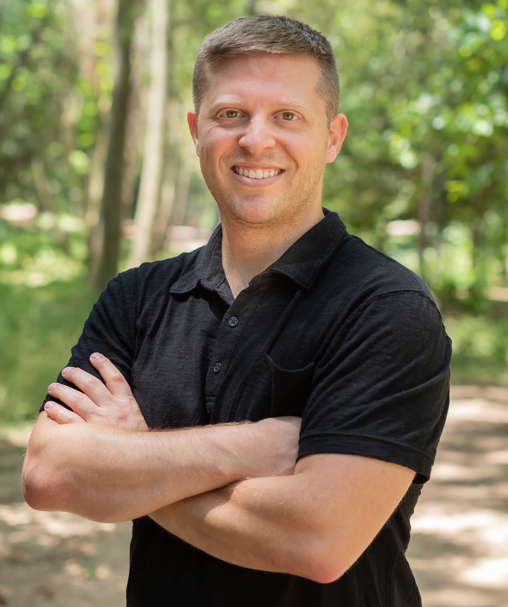

Guest
Scott Meier
CEO, Budsies (The Budsies Companies)
Scott Meier is an entrepreneur who entered business ownership through the Entrepreneurship Through Acquisition (ETA) path, evaluating over 100 companies before acquiring the Budsies family of brands—Budsies, Petsies, and Stuffed Animal Pros—over five years ago. He leads the custom plush manufacturing company, originally founded as a Shark Tank company, which turns children's drawings and pet photos into one-of-a-kind stuffed animals while also supporting charitable initiatives for kids in hospitals and disaster zones. Scott is a proponent of leveraging AI tools to streamline operations and is known for his stewardship-driven leadership approach to scaling artisan brands.
Key Takeaways
- 1When evaluating acquisition targets, don't dismiss opportunities too quickly — Scott Meier initially passed on a stuffed animal company, but after recognizing the market's ubiquity and having a flood of ideas, he realized it was a perfect fit. Stay open to revisiting opportunities that don't immediately click.
- 2Organic customer demand is one of the strongest signals for launching a new product or business line. Both Petsies and Stuffed Animal Pros were born because existing customers asked for them, reducing the risk of building something nobody wants.
- 3Balance caring with cost — as a leader running multiple companies, you can't overextend on every decision. Effective leadership requires knowing when to invest deeply and when to be pragmatic about resource allocation.
- 4Set people up for discovery rather than overexplaining. Great leaders resist the urge to spoon-feed every answer and instead create conditions where their teams can learn and problem-solve on their own, which builds stronger, more autonomous organizations.
- 5Leverage AI and automation to handle repetitive, low-value tasks so you and your team can focus on the uniquely human work — creativity, relationships, and strategic thinking — that actually drives business growth.
Key Terms Defined
New to some of the jargon in this episode? Here are plain-English definitions for the terms that came up.
- Entrepreneurship Through Acquisition
- A business strategy where an individual acquires an already-operating company and becomes its operator/owner, bypassing the early startup phase.
- ETA
- Entrepreneurship Through Acquisition — a path where someone buys an existing business to run rather than building a new one from scratch.
- Search Fund
- Investment model where an entrepreneur raises capital to find, acquire, and operate a single small-to-medium business, typically with 2-3 years to find the right target.
- M&A (Mergers & Acquisitions)
- The process of one company buying another (acquisition) or two companies combining (merger). A common "exit" path for startup founders.
- Networking
- The deliberate practice of building professional relationships that can lead to business opportunities, referrals, partnerships, or mentorship. In startup and business contexts, it often involves attending events or joining communities to meet influential people.
Chapters
Full Transcript
Sean Weisbrot: I met him like a few months after and I instantly became his alpha.
Sean Weisbrot: I think they're just listening and hoping people don't pay attention.
Scott Meier: You have to balance caring with cost sometimes.
Scott Meier: We often try and overexplain things rather than setting up those around us for discovery.
Scott Meier: We want to get AI to do all the annoying stuff so that we can have more time to be human.
Sean Weisbrot: What drove you to run three different companies at the same time?
Scott Meier: Oh man. Um, so I actually started this journey, uh, for, from the ETA space, the entrepreneurship through acquisition.
Scott Meier: And I looked at a hundred different companies, at least hundreds and like got, um, you know.
Scott Meier: P and Ls and all the background information on tons of 'em.
Scott Meier: And I saw Bud Sys Petsy Stuffed Animal Pros, which is all under one roof of the, the Bud Sy companies.
Scott Meier: And uh, that was just over five years ago. And I was like, ah, stuffed animal's not a fit.
Scott Meier: And then, uh, you know how. Sometimes when you think of like a, a number, there's like a word for that psychologically, and you see it everywhere.
Scott Meier: It was like I couldn't stop seeing plus like, stuffed animals everywhere.
Scott Meier: I was like, oh, there is the, the world is saturated with stuffed animals.
Scott Meier: And I had, you know, the average, normal human experience with stuffed animals growing up and had favorites and, you know, my, uh, friend's kids have favorites and stuff and uh, but I just started all of a sudden having so many ideas for it that, um.
Scott Meier: I was like, oh, actually this is awesome. Like the world needs more huggable things. So
Sean Weisbrot: yeah,
Scott Meier: that was the how I landed in this place where, you know, sys petsy, stuffed animal pros.
Scott Meier: I'll give you the, the elevator, which is Bud Sys is the first one.
Scott Meier: Uh, it was founded by a guy Alex, uh, over 13 years ago. It was a Shark Tank company.
Scott Meier: Uh, it's all about kids making a drawing uploaded to our website.
Scott Meier: We turn it into a totally, one of a kind stuffed animal.
Scott Meier: Um, and then from there we had people, you know, wanting to do their pets organically and asking the, the buds flow for that.
Scott Meier: And we were like, oh shoot. Like this is such a big thing that uh, you know, it's gotta be its own thing.
Scott Meier: So that's where Pet Seeds was born, and that's where you have. Betsy's dogs.
Scott Meier: I mean, it, when I first saw, when I first saw it, I was like, oh, that's weird.
Scott Meier: And then I held one, like a weighted one too.
Scott Meier: And there is like a, there is like a psychological return on it. Uh, and then.
Scott Meier: Uh, you know, stuffed Animal Pros was people saying, we love our bud sy so much that we wanna make a thousand of 'em.
Scott Meier: And we're like, that's also a different process.
Scott Meier: So we built that process out and continue to, uh, improve it and make it better.
Scott Meier: And, uh, we're doing cool stuff there with like, you can give us your image, we create a tech pack for it, and we refine it until it becomes a sample and we can do three PL and all that stuff.
Scott Meier: So. Maybe a longer answer than you expected.
Sean Weisbrot: No, it's okay. It's, it's the right answer. 'cause it, it gives context. I appreciate that.
Sean Weisbrot: When I was doing research before deciding whether to talk with you, I saw that you can create a stuffed animal using your pet's image.
Sean Weisbrot: And my first thought was, that's awesome.
Sean Weisbrot: Especially because my parents adopted the dog that they have now.
Sean Weisbrot: I met him after, like a few months after they adopted him, 'cause I don't live in the us So I went to home to visit and I instantly became his alpha.
Sean Weisbrot: Now the, the dog that they had before my dad was the alpha.
Sean Weisbrot: It's very obvious, but this dog absolutely loves me, adores me, follows me around.
Sean Weisbrot: He, he tolerates my parents, but they won't let him come to Europe to live with me because they adopted him.
Sean Weisbrot: So in their mind, like he belongs with them. So my thought was I would love to have like a copy of him, right?
Sean Weisbrot: He, he never, he was neutered on his first birthday, so he will never have his own puppies.
Sean Weisbrot: And unless I spend like $50,000 to clone him, which may not be the same personality, probably won't be, probably be a completely different, unique individual.
Sean Weisbrot: The next best thing you have is a stuffed animal, and that thing will last hopefully for, you know, if you're not making it in China.
Sean Weisbrot: Hopefully it'll last a long time.
Sean Weisbrot: Um, now I did buy, uh, stuffed copy bars.
Scott Meier: Oh yeah,
Sean Weisbrot: I know a guy based in Malaysia.
Sean Weisbrot: He has them produced in China, and then they, they ship from the factory directly to the, the person I was in the US and they had a special deal.
Sean Weisbrot: So I, I bought one like years ago for my grandma and she loved it.
Sean Weisbrot: She didn't even know what a cafe bar was, but she loved it.
Sean Weisbrot: So I bought a few more for my two cousins that are under 10 years old and they loved it.
Sean Weisbrot: And so, uh, when I was back in the US earlier this year visiting my family, I, they had another like buy one get one free.
Sean Weisbrot: So I went and I bought one for my wife and I, mine has like a watermelon on top of his head and my wife's has like a SDA flour on, on its head.
Sean Weisbrot: Different colors and, and yeah, like we keep them around. We love them.
Sean Weisbrot: They're, they're really cute and like you said, you, you touch them and you're just, you feel so good.
Sean Weisbrot: So I, I think it's so silly that people are like, I'm an adult now. I can't have stuffed animals.
Sean Weisbrot: That's ridiculous. Like, they're so good.
Sean Weisbrot: Yeah. I, I think we should just acknowledge the fact that we still want them, we still, you know, they still help us.
Sean Weisbrot: They're still good for us, so.
Scott Meier: Totally. Yeah. I mean the kid alt market is what it's called in, in the industry now that I've, like, I'm learning, you know, and how to like the whole toy world.
Scott Meier: But definitely the, uh, the kid alt world is huge.
Scott Meier: Collector is huge right now.
Sean Weisbrot: Nostalgia is winning hard.
Scott Meier: Yeah. Nostalgia will never go away. I mean, that's the beauty of it.
Scott Meier: There will always be the past. Uh, and so, but with something you said too, um.
Scott Meier: We actually do make a ton of stuff in China and we have made things with partners around the world.
Scott Meier: We've made stuff in the US in Mexico, Columbia, India, Vietnam, Philippines, China, like you name it.
Scott Meier: And kind of the best of the best in terms of like artistic skill, specifically in the plush, uh, that we found.
Scott Meier: A lot of teams are in China, so we work with designers there. Um, and they do amazing work.
Scott Meier: You know, what's cool about it is that this is artisan work.
Scott Meier: You know, this isn't, um, a just plug and play through a assembly line like this is, like, they're looking at the details and communicating with our designers.
Scott Meier: I mean, there's back and forth, like people don't understand. How much goes into this?
Sean Weisbrot: Yeah.
Scott Meier: Um, I'm sure it's not just a, you know, pre-made thing that you stick a sweater on.
Scott Meier: It's like, yeah. Made from scratch. And we're not even, you know, when I first came into the company, I was like, how come we're not making like.
Scott Meier: You know, a hundred beagles and then just like changing the markings and they're like, no, 'cause that doesn't work.
Scott Meier: We literally have to make this one at a time. It is artisan work,
Sean Weisbrot: right? My beagle is different from your beagle and if you give me a beagle that's not mine, I will know and I will kill you.
Scott Meier: And you know, you get into these interesting like rabbit holes about human perception.
Scott Meier: So if five people look at, uh, you know, a Van Gogh.
Scott Meier: They all will say that's a Van Gogh, that's a bed.
Scott Meier: Like there's a cool sky, you know, whatever it is they see.
Scott Meier: But you can never truly know what characteristics their brain is grabbing and what characteristics are just being kind of filled in to say, I've got this.
Scott Meier: 'cause we all live in this heuristic, uh, land of our own mind. And so, uh.
Scott Meier: It's been a fascinating journey. You know, people come back and they're like, this doesn't look like my dog.
Scott Meier: And they're, oh, well what is it that doesn't look that?
Scott Meier: And so we will revise and we want people to be happy.
Scott Meier: Like this isn't just a, Hey, let's like foist something on people.
Scott Meier: This is like, we take time. Our team really cares.
Scott Meier: Like sometimes there'll be like a Bud Sy that comes in and literally every single person in the company.
Scott Meier: Is like staring at pictures and like, oh, is it this? What is it?
Scott Meier: And I'm like, guys, this is not an efficient use of our time.
Scott Meier: You know, you have to balance caring with, uh, cost sometimes.
Scott Meier: But, you know, we, we take this on as like, uh, a stewardship of the brand, not, it's not just like a venture for, uh, churning out cash and sometimes like the, our margins are thin, you know?
Scott Meier: And so, um, yeah, we do this honestly. Because we care.
Scott Meier: Like that's how we landed on the Budy PALS side and working with kids and influencer teachers.
Scott Meier: Um, you know, there's some cool stuff that this is, that this stuffed animal path has led me down that I'm now like super passionate about.
Sean Weisbrot: Yeah. 'cause you were talking about becoming an entrepreneur through acquisition and I just had a, an intro with someone who I'm gonna be interviewing very soon and he.
Sean Weisbrot: Basically acquires businesses to grow them, and he just cares about the money.
Scott Meier: Mm-hmm. That's what I wanted to be.
Sean Weisbrot: Right. I'm like, this, this guy, they, he's generated half a billion dollars in revenue.
Scott Meier: Wow.
Sean Weisbrot: Well, not him, but like him and the team and, and.
Sean Weisbrot: I just found it really interesting because he was talking about his strategy for like, you know, look, it's not just like acquire a company and grow it and sell it.
Sean Weisbrot: It's like buy several companies that are tangential, combine them together into like a conglomerate, grow them together and then sell them off as a package.
Sean Weisbrot: And that's where the multiplier is. He's like, so you might invest, you know, 2 million, you know, times five, you might invest 10 million in something and after a few years you sell it for 50, 60, 70 million and you, you make a massive profit.
Sean Weisbrot: I'm like. I'm in the wrong business.
Scott Meier: The rollup model, it always sounds so simple.
Scott Meier: All you do is buy 50 plumbing, uh, companies and then sell them to venture capital. That's it.
Sean Weisbrot: Yeah,
Scott Meier: there's some, I think there's some gaps in that, but I know people who specifically were doing the plumbing model and they had it all, you know, teed up.
Scott Meier: Um, you know, I think some of that rollup stuff is good.
Scott Meier: I think we're gonna start to seeing. On Rollups too.
Scott Meier: I think you see that like at the highest levels, like, um, you know, Comcast made all these acquisitions and start now starting to break things up a little bit.
Scott Meier: Uh, you know, there's, there's something to be said for doing one thing and doing it right and being able to focus on it.
Scott Meier: I mean, obviously if you're, yeah, I wish I was better at just rolling things up and selling 'em for 50 x, you know.
Scott Meier: But you ever, do you ever play the lotto?
Sean Weisbrot: No.
Scott Meier: So I don't like the lotto per se, but I do buy tickets because I think it's interesting what it does to personal psychology and you start making a list of, Hey, what would you do if you had, you know, a hundred million bucks or 300 million bucks?
Scott Meier: And interestingly, a big part of the list, that is probably some of the best stuff I can do now.
Scott Meier: So that's the exercise that I play is like. Oh yeah, I would go surfing more. Okay, cool.
Scott Meier: Why don't I just go surfing more like,
Sean Weisbrot: yeah,
Scott Meier: like I don't need to have a bigger bank account for that, you know,
Sean Weisbrot: quick break.
Sean Weisbrot: I put together a free guide called Network before you need it.
Sean Weisbrot: It's six lessons I learned that help me create over a hundred million dollars in value for my network.
Sean Weisbrot: Generate over $15 million in revenue from my businesses. And fundraise over $8 million for my businesses and my clients.
Sean Weisbrot: If you want to build relationships that work for you before you need them, go get this guide right now.
Sean Weisbrot: The link is in the show notes.
Scott Meier: Okay, let's get
Sean Weisbrot: back. For sure. I was thinking about that as well, and I was thinking like, if I had a lot more money, what would I do?
Sean Weisbrot: One of the things that I want to do is donate to this company, not really Company, it's charity, nonprofit, I don't know what you'd call, they're called Pencils of Promise and they build schools around the world, but the way that they do it is really unique because.
Sean Weisbrot: They insist on the local community helping to actually build the school with their own hands.
Scott Meier: Mm-hmm.
Sean Weisbrot: And they insist on the government, the local government actually supplying the books and the teachers for the school.
Sean Weisbrot: So that they know when they leave, there's emotional and intellectual buy-in from multiple parties.
Sean Weisbrot: So it's not just slap up a school and walk away.
Sean Weisbrot: So they're actually building a relationship with the community and making the community build a relationship with itself and its future generations.
Sean Weisbrot: So that is something that's sustainable. I freaking love it.
Sean Weisbrot: And so I donate my own money, but I also wanna.
Sean Weisbrot: Donate more. And I want that to be more of part of the mission of we live to build.
Sean Weisbrot: So because I'm, I'm thinking like, I would love to be able to donate one school a year, and that's about $50,000 to go from, you know, ground to there's kids in the school.
Scott Meier: Yeah.
Sean Weisbrot: So I'm thinking about how can I make that possible?
Sean Weisbrot: Right. Obviously taking some of the revenue from the business is one way.
Sean Weisbrot: Things like that, partnering with other companies that wanna do stuff. That's cool.
Sean Weisbrot: Uh, so I'm exploring that stuff now because why do I have to wait to make more money to do something that makes me feel good already?
Scott Meier: Exactly
Sean Weisbrot: right.
Sean Weisbrot: It's like if I could spend a little bit of time and donate, you know, 500, a thousand whatever a year.
Sean Weisbrot: Or I could put some more energy into it and get a school built every year.
Sean Weisbrot: Like I could get a school built every year right now. Why not? What's stopping me?
Sean Weisbrot: Just me and my time. So yeah, I totally understand.
Sean Weisbrot: I don't need a hundred million dollars to do that.
Scott Meier: Yeah, exactly. I mean, so like when I, when I came into Bud and.
Scott Meier: I was like, Hey guys, what's this over here? Where people are just sending us money not for product, and they're like, oh, this is, this is Buds Z's pals, which is, um, now like it's at the heart of what we do.
Scott Meier: And people were literally like, so, uh, enthralled with Budy that they just started sending us cash.
Scott Meier: And, um, then what we would do is give that to kids or to classrooms and partner with nonprofits.
Scott Meier: And then somebody sent us too much money, which was, uh, I was like, okay, this isn't enough to like justify starting a nonprofit with a board and overhead and compliance and all this stuff.
Scott Meier: I was like, but after some research we landed on starting a nonprofit fund.
Scott Meier: So through the Buds e Pals fund, which is on our site, we, um, partner with nonprofits.
Scott Meier: So we've partnered with everybody from Ronald McDonald House, uh, choa, the Children's Hospital of Atlanta.
Scott Meier: Um, we've done stuff with, I think we've done specific things with like St.
Scott Meier: Jude with, um, I mean the list is long.
Scott Meier: Uh, for example, after the fires in la, um, we. Had cash in our buzzy Powells fund.
Scott Meier: And so we sent kids, um, who had lost everything in the fires, replacements for stuffed animals that were unreplaceable and, uh, you know, if it was like a Spider-Man that you could just go down the street and get another Spider-Man, we were like, maybe we just help you find a Spider-Man.
Scott Meier: But, but like somebody else is working on that problem. But it was something truly like bespoke.
Scott Meier: Um, and so we helped dozens. And, uh, or more, I forget what the final count was.
Scott Meier: And then people from North Carolina were like, Hey, you know, we know it's been six or eight months since our tragedy, but like some of us lost stuff too.
Scott Meier: We're like, oh, let's do it. So if we got money in that, in our little piggy bank for that, we do as much as we can.
Scott Meier: And then through that, a documentarian saw what we were doing and was like, Hey guys, I wanna do something about this.
Scott Meier: So, uh, shout out to Patrick Green, who's doing now, finished this documentary called Magic Thread and uh, I was lucky enough to be, uh, in LA for the premiere of that and saw like the premiere on a screen.
Scott Meier: And now they're going all around to festivals.
Scott Meier: I think they've like qualified for Oscar stuff, so they're crushing it. Um.
Scott Meier: And it's a little short film with my, you know, face for radio in there talking about stuffed animals.
Scott Meier: And, uh, it's pretty fun. So like, I love the concept, which is magic is something that doesn't just happen, but it feels like it just happened.
Scott Meier: And so Bud Sies is magic, but magic is.
Scott Meier: Consistent effort over time that then makes something feel like it just appeared.
Scott Meier: And so Bud Sys is this thing where you have an idea that comes from the ether, from the collective consciousness or whatever you believe in, and whether you're a kid or a kid, adult like me.
Scott Meier: And then you turn into something and you know, a month later or however long, however long our line is, at that point you, you get it and it's.
Scott Meier: The expression of your idea done by like amazing artisans. It's freaking awesome.
Scott Meier: And so, uh, we've seen that impact and some of the stories that we get, like we have YouTube videos up about like, you know, we work with kids, uh, in going through like medical journeys or things like that, uh, you know, in hospitals.
Scott Meier: And I watch those videos and I seriously cry like.
Scott Meier: If I just need like a cry, you know how sometimes the stress gets overwhelming?
Sean Weisbrot: I do not need videos of kids in a hospital to make me cry.
Sean Weisbrot: I can cry about anything.
Scott Meier: Oh, well it works if you ever do need it.
Scott Meier: If you ever need some crying fuel, it's,
Sean Weisbrot: I just have to watch a TV show or a movie and I'll cry.
Scott Meier: Yeah, exactly.
Sean Weisbrot: Uh, maybe I should have been an actor because it's so easy for me to turn on the crying.
Sean Weisbrot: Not in like a manipulation way, but, um, yeah, when like people are saying goodbye or like if someone's dying or, um, just like people showing love or affection to one another is just like, you know.
Scott Meier: Yeah.
Sean Weisbrot: It gets me because I think the world is just so screwed and there's just not enough of it.
Sean Weisbrot: Especially when it's like, you know, siblings because so many siblings, like, I don't know about you, but I have friends who are like, they're jealous of my relationship with my brother because they don't have a relationship with their sibling.
Sean Weisbrot: And I'm like, I don't understand why people like, just don't have relationships with other people that like they share blood with.
Sean Weisbrot: It just doesn't make sense, you know?
Scott Meier: Yeah, I know that's a to, I mean, I, I am lucky in that I love my family and we have a great.
Scott Meier: Dialogue and hang out. We're all scattered around, but like, uh, we definitely chat all the time.
Scott Meier: I'm like, as soon as I get in the car instead of the radio, I'm talking to my family, you know, making the rounds on the phone.
Scott Meier: Um, I forgot what I was gonna say before that, but anyway.
Sean Weisbrot: So how was it taking over the company, assuming control.
Sean Weisbrot: Uh, you know, what was the revenue at when you bought it? How have you been able to scale it?
Scott Meier: Yeah. Um, I, it was a super cool process, like, uh, terrifying, like jumping onto a roller coaster, uh, with your, you know, your personal credit online and, uh.
Scott Meier: I was just praying for a good team and those prayers were answered.
Scott Meier: You know, uh, luckily the people on our team really care and I think it's a testament to what the company is about.
Scott Meier: Um, and right from the get go, I recognize this as a thing.
Scott Meier: Like, you know, people that talk about living in or restoring a historic building or living in it or something like that, they talk about stewardship and.
Scott Meier: That's how I feel about these companies is I want to do the best for the brands that I can do.
Scott Meier: And it's an, I think it's also a healthy way to look at it because then it's not about, uh, personal greed.
Scott Meier: It's like, Hey, what's the best for Bud Sies? What's the best for Petsy and what's the best for stuff Animal Pros that we can do right now?
Scott Meier: And when you put the numbers out, um, that's when.
Scott Meier: You know, it's clear, like the hardest part is just getting the numbers in the right position so everybody can be looking at the same picture.
Scott Meier: And then you say, all right, it's pretty clear what we gotta do now.
Scott Meier: Um, and yeah, but it's been, it's been a really fun process.
Scott Meier: Um, and, um, you know, our, our teams have done an amazing job.
Scott Meier: Like we've grown our social presence amazingly to millions and millions of followers. Um, and.
Scott Meier: We've weathered the, the PPC and apocalypse storms and no more tracking. And then, oh, now we're bringing tracking back.
Scott Meier: And I'm of, you know, mixed sentiment on that too.
Scott Meier: Like, I think it's creepy when you talk about Italian radio and then you go online and it's like, Hey, Italian radio.
Scott Meier: I think the mistake that those like meta is making is making it creepy when they could really just say, actually this is super cool and we can give you stuff that you care about.
Scott Meier: We're not listening to you.
Scott Meier: Like, here's how it works. Like, you know, but they're listening. But it's not contextual.
Scott Meier: It's like in theory, maybe the rabbit hole is, uh, so shallow that they're actually just listening. But
Sean Weisbrot: I think they're just listening and hoping people don't pay attention.
Scott Meier: I mean, everybody I know knows they're listening and then there's nothing you can do.
Scott Meier: So, um, I guess my point is. It would be cool to see a platform.
Scott Meier: I've said this, I've talked to somebody who said they tried to pitch it to Meta and Google where, um, you know, as a brand we spend money on PPC.
Scott Meier: I think that as a viewer, I should receive a piece or you should receive a piece.
Scott Meier: Anybody looking at an ad that is served, an ad that's relevant to them should get 5 cents or whatever it is, like give 'em a portion of it and then if you're gonna be.
Scott Meier: Stealing my privacy. Why, why, why not pay me for it? Uh, who knows?
Scott Meier: I've got radical ideas about that stuff. I think it's very dangerous territory. I think, uh, privacy is extremely important.
Scott Meier: And, you know, you work with these platforms and I'm not a PPC expert.
Scott Meier: Like I'm not the guy pulling the levers. Um, and what's interesting is there's.
Scott Meier: Like a little dashboard interface they give you, and then the rest is just the black box that the, that they all control, so,
Sean Weisbrot: so living in Europe, I have received several times messages from Facebook when I try to log in where they say, in order to protect your privacy, you need to pay us a monthly fee so we don't serve you ads, or we'll just show you ads if you don't pay.
Scott Meier: Yeah, I just, yeah, I mean, I'm sure that it's much more complicated than we think, but like if you ever go, if you go back, like, uh, the original white paper for Google search has a whole section where they talk about if they make it ad based, that's gonna become garbage.
Scott Meier: And if you remember before the advent of AI just two years ago.
Scott Meier: It started really taking over. Google was garbage.
Scott Meier: You would search for, Hey, what kind of grass should I plant?
Scott Meier: And it's like the history of the engine inside a lawnmower starts in 1919 and you're like, wait, dude, this is not helpful.
Scott Meier: Just all like SEO optimization, which I think is really cool when it works, but
Sean Weisbrot: I feel like you'd get like the 10 best types of grass for 2025.
Sean Weisbrot: A
Scott Meier: hundred percent
Sean Weisbrot: blogs. Yeah. So what's the most important thing you've learned so far from being an entrepreneur?
Scott Meier: Um, I would say, say less.
Sean Weisbrot: Do you wanna expand on that?
Scott Meier: Well, it kind of defeats the, the
Sean Weisbrot: very point I know.
Scott Meier: Um, no, I think, um.
Scott Meier: We often try and overexplain things rather than setting up, uh, those around us for discovery, mutual discovery.
Scott Meier: And I think when you try and just say more and more, and I'm an idea person and a.
Scott Meier: chatterbox and I love, you know, I'll, I'm the talk to strangers guy and like, like, sorry in advance.
Scott Meier: If you sit next to me on a plane, uh, most times I'm like, yo, where are you from?
Scott Meier: Like, can you believe it? We're in the air.
Scott Meier: And I think, um, as a, a person that loves to chat and talk things through, sometimes we can overexplain and overthink and I think, um, sometimes it's really important just to get dumb about a problem.
Scott Meier: Which is sort of the, the opposite of the way a lot of people think about it.
Scott Meier: But if you get dumb about it, what really what that really means is like, how do you state it in just the simplest way?
Scott Meier: Just pencils down. What are we talking about? Say less.
Sean Weisbrot: What's keeping you up at night? What, what's a problem that you're trying to solve right now that's alluding a solution is alluding you?
Scott Meier: Um, honestly, what's keeping me up right now is excitement about.
Scott Meier: Like AI tools, uh, just started using Claude and now I'm programming dashboards or bringing every single data feed that we have into one dashboard.
Scott Meier: And I'm doing that by myself over a weekend. Uh, so what used to be like an insane project is now super simple.
Scott Meier: And, you know, we, we have, um, we were just talking about this.
Scott Meier: We had our company all hands like an hour or two ago, and, uh.
Scott Meier: We have like an AI update where we're just talking about it and the, the way that I look at it is, you know, we want to, the way we're approaching AI is we want to get AI to do all the annoying stuff so that we can have more time to be human, so that we can have more time to be human with our customers so that we can have more time to be human with each other.
Scott Meier: And then ai, which is this new alien intelligence that's like.
Scott Meier: Amazing at reading every book in 2.2 seconds, but like, can't think its way out of a mouse maze, literally.
Scott Meier: Uh, but it can program a website that can make a complicated dashboard and aggregate all the data feeds we have to tell us like, Hey, tell us more about the customer journey.
Scott Meier: How do we make people happier? What's the human side of this?
Scott Meier: How do we measure like, you know, um, customer satisfaction in real terms?
Scott Meier: Through conversations and you know, like it gives us more time to be human.
Scott Meier: So that's what keeps me up at night is how do we use this in a way that makes us better, rather than trying to like foist seemingly in easy solutions onto people that end up just being slop and garbage.
Scott Meier: And keep the human part human.
Sean Weisbrot: Thanks for watching. If you liked this insight, I've handpicked another video for you right here on the screen.
Sean Weisbrot: For more actionable strategies that get you real results, hit subscribe.


