
Why Credible Investors Are Actually Killing Startups
Have you ever received terrible advice from a "successful" investor or mentor? In this episode, Igor Taber explains why taking advice from VCs who built companies a decade ago might actually destroy your startup. Because the market has drastically changed, relying on outdated experience makes these investors "credible and wrong"—the most dangerous combination in the startup world. We also dive
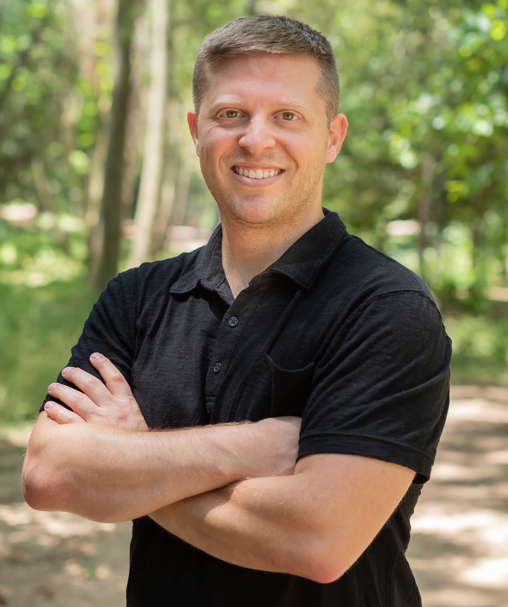

Guest
Igor Taber
General Partner and Co-Founder, Cortical Ventures
Igor Taber is Co-Founder and General Partner at Cortical Ventures, a $54 million seed and pre-seed stage venture fund focused on physical AI, robotics, and adjacent AI opportunities. Before launching Cortical Ventures, he invested in and then joined full-time to help scale a major AI company that grew to $6 billion in value and raised approximately $1 billion in capital. Igor and his team differentiate themselves by actively building AI companies alongside their fund, believing that hands-on building experience is the only way to effectively separate signal from noise in the rapidly evolving AI landscape.
Key Takeaways
- 1Beware 'credible and wrong' advisors: investors and mentors with outdated experience from a decade ago can be more dangerous to startups than unknown advisors, because founders actually follow their advice — even when it no longer applies to today's market.
- 2There are three viable paths to building a VC firm: inheriting a generational brand (like Sequoia), building an influencer-driven personal platform, or being an active builder/operator who brings hands-on expertise — each attracts a different kind of founder.
- 3The $1.7 trillion invested in AI since ChatGPT's launch (~$17,000 per second) is fueling genuine innovation but also generating enormous noise, hype, and scams — making it harder than ever for founders and investors to separate signal from noise.
- 4Vibe coding and AI tools can dramatically accelerate product development, but handing powerful tools like Claude to a non-technical founder without deep understanding is 'like giving a bazooka to someone who never shot a gun' — the potential for costly, hard-to-detect mistakes is enormous.
- 5The most important lesson in venture capital is humility: predicting the future is inherently difficult, and the worst mistake an investor can make is being overly certain in a fundamentally uncertain environment — staying open to being wrong is what separates good VCs from dangerous ones.
Key Terms Defined
New to some of the jargon in this episode? Here are plain-English definitions for the terms that came up.
- Emerging Manager
- A first-time or relatively new fund manager who is raising or running one of their earliest venture capital funds, typically without the long track record of established firms.
- Networking
- The deliberate practice of building professional relationships that can lead to business opportunities, referrals, partnerships, or mentorship. In startup and business contexts, it often involves attending events or joining communities to meet influential people.
- 7-Figure Business
- A business generating at least $1,000,000 (one million dollars) in annual revenue, referring to the number of digits in the dollar amount. Often used as a milestone benchmark in entrepreneurship communities.
- Liquidation Preference
- Investor right determining the order and amount of proceeds paid on company exit — can result in founders receiving little after preferred shareholders are paid.
- SaaS (Software as a Service)
- Software delivered over the internet on a subscription basis rather than installed locally. Customers pay monthly or annually to access the product.
Chapters
Full Transcript
Sean Weisbrot: A lot of VC firms are started by people who've never owned a business outside of that firm.
Igor Taber: The only way to like separate what signal, what's noise is to have a hands-on experience from a company.
Igor Taber: If you just rely on your experience from 10 years ago, even though you may have been successful, I think that's actually makes you like really dangerous.
Igor Taber: It's like giving a bazooka to somebody who never shot a gun.
Sean Weisbrot: Right? What does a founder have to do to make themselves like de desirable for you to outreach to them?
Sean Weisbrot: What are the ways that VC firms can show up in the market?
Igor Taber: Cool. Well, first, thanks for having me. Uh, excited to, to be here.
Igor Taber: But, um, yeah, you know, it's, uh, there's a lot to say about that, but in my opinion, I think there's only maybe three ways to build a venture firm.
Igor Taber: Uh, the first way is to have extremely strong brand and be a leader in the market.
Igor Taber: So thank Zo Sequoia. Andreessen funds like that where over decades they build a mo that is their brand and their track record, and that certainly attracts deal flow.
Igor Taber: Um, and there may be, you know, dozen of firms that can claim to have that.
Igor Taber: Most firms do not have that, and certainly emerging managers like myself do not have that.
Igor Taber: The second way is to be what I call an influencer.
Igor Taber: Meaning you have some kind of social following Twitter following and you're able to use that to generate deal flow, help your portfolio companies, uh, to get exposure, do all the things that kind of having a, you know, almost like a media arm helps you do.
Igor Taber: And that's a really interesting strategy and certainly a lot of people are successful doing that.
Igor Taber: Um, and really I think the only other way to build a venture firm, uh, is to actually be builders and to really.
Igor Taber: Use the fact that you have built companies before building companies currently to help you A, define the strategy, make better decisions, be attractive to founders, and have a reason why founders should choose to work with you and I, as far as I know, those are the only three ways I know to build a firm.
Igor Taber: I think a lot of other things people talk about, like networks and things like that, i, I, I just don't think they're sticking enough of sustainable enough.
Igor Taber: Uh, to really build a long-term, differentiated, uh, strategy.
Sean Weisbrot: Well, networking is my whole message, so I am actually glad you mentioned that because I think there's a conversation to be had around that.
Sean Weisbrot: I think venture capitalists do. This really strange thing where they say, we don't like cold outreach.
Sean Weisbrot: We want warm intros. We want to know you, but at some point you don't know them.
Sean Weisbrot: And so the only way that they can know you is to cold outreach you or somebody you know, or to have someone that you know introduced them.
Sean Weisbrot: And so how is your network not emote?
Igor Taber: I think network is one of those things that I believe is necessary but not sufficient.
Igor Taber: Like you can't really run a venture firm if you don't have a network or build a successful venture firm.
Igor Taber: So I, I think it's absolutely necessary, but I don't think that in itself is ultimately a differentiator.
Igor Taber: Um, and yeah, there's multiple ways to build dfo.
Igor Taber: Networking is certainly one, and I think the reason I think generally we see is like to have a warm intro and.
Igor Taber: Generally the response rate for cold outreach is extremely low, is mostly as a way to get a signal.
Igor Taber: It's not really a judgment whether it's good or bad, but in the crowded space we all live in, in a crowded, inbound deal flow.
Igor Taber: Everybody's looking for some kind of signal of how they prioritize, and as as, I guess the, how the intro came was as good of a signal as any you, somebody took a time and used their social capital.
Igor Taber: To make an introduction that is a signal that's not by itself a conclusive signal.
Igor Taber: And there's lots of reasons why people make intros.
Igor Taber: Uh, but um, but it is a signal and I think that's why a lot of VCs can account on that as the way to kind of filter, top of funnel, uh, deal flow.
Igor Taber: But there's other ways to, to, to, to build, uh, for example, our fund.
Igor Taber: And I think many other funds, uh, extremely active in outbound sourcing.
Igor Taber: And this is actually sometimes us doing a called outreach to founders.
Sean Weisbrot: Mm-hmm.
Igor Taber: Versus them doing called outreach to us.
Igor Taber: Uh, and same as with any other called Outreach, we'll prefer to do it through the network and find somebody who can make an introduction versus do a called outreach to the founder.
Igor Taber: I actually think the best founders have just as, just as much called outreach that they ignore from VCs, as VCs have called Outreach from the founders, that they also ignore.
Igor Taber: So I think it worked. It, it goes in both directions. Um, yeah,
Sean Weisbrot: I've been involved in this industry for 10 years and I have never once heard someone say that, which is.
Sean Weisbrot: Have an investor cold outreaching to a founder. I have literally never heard this, so maybe I've been working with the wrong founders who just weren't creating the demand for investors to, to pitch them.
Igor Taber: Well, I think it comes down to Australia, like if in our case we are very team driven, like we define some very specific things we care about and interested in, and then we go and proactively, we try to look for people that are building those categories in those areas and then we proactively reach out to them.
Igor Taber: Now, if I was a generalist investor that can invest in anything and doesn't.
Igor Taber: Have a specific theme we're chasing, maybe that would be more difficult to do.
Igor Taber: Uh, but when you're theme driven, I think the only way to be proactive about kind of building a thesis is to like find people that are working in the thing that you may be interested in.
Sean Weisbrot: Quick break. I put together a free guide called Network Before you need it.
Sean Weisbrot: It's six lessons I learned that helped me create over a hundred million dollars in value for my network, generate over $15 million in revenue for my businesses and fundraise over $8 million for my businesses and my clients.
Sean Weisbrot: If you want to build relationships that work for you before you need them, go get this guide right now.
Sean Weisbrot: The link is in the show notes. Okay, let's get back. Are you talking about like scouts?
Sean Weisbrot: Because I've, I've, I've found scouts and so I've been able to pitch to the scouts.
Sean Weisbrot: So, um, and then the past, the scouts will bring them to them.
Sean Weisbrot: So in that way it's, I mean, it's not really called outreach, but the, the VC firm is empowering an external partner to help them to find people.
Sean Weisbrot: I mean, it's still kind of inbound though.
Igor Taber: Yeah, no, I, I wasn't talking about scouts. Certainly that is a strategy people use.
Igor Taber: There's also many funds, uh, make investments into other emerging managers like cost with primary goal to get access to their deal flow and their, and their network.
Igor Taber: So there's multiple strategies, funds use, uh, but again, when you're a small firm like ours, you kind of have to pick your, pick your bottles.
Igor Taber: You can do everything. Just like building any other business, as we talked about before.
Igor Taber: And, um, and you just have to choose the strategy that you think is the most efficient.
Igor Taber: And in our case, it's a combination of our, uh, inbound network that we get through inbound deal flow that we get through the network.
Igor Taber: But significant part of what we do is outbound reaching out to founders that may be building in the things in the categories that we really care about and building a thesis in. And.
Igor Taber: And kind of learn about what they're building and see if it can be helpful to them.
Sean Weisbrot: How do you find out about them?
Sean Weisbrot: Like, I imagine you'd go to like Claude or bde or Gemini and go, Hey, tell me about the, the startups in this space.
Sean Weisbrot: Like, how do you do that?
Igor Taber: It certainly became easier maybe in the last couple years in a sense because of all the tools you, you, you, you're talking about.
Igor Taber: But, um, it's, it's a combination of, um, data driven approach, which is collecting tremendous amounts of data and building some technology to help you find signals in it.
Igor Taber: Of course in the last couple years it became even easier.
Igor Taber: But because of the stage we invest in, like we invested at the seed stage and pre-seed, there's really no like database.
Igor Taber: You can go and like find things like, there's no pitch book for like pre-seed companies, right?
Igor Taber: They don't, and oftentimes there's not even company yet there, or maybe just like a human building stuff.
Igor Taber: And they may, may or may not even have a company, they just may be thinking about starting a company.
Igor Taber: Uh, so there's no database you can go find this stuff. So you're gonna have to generate those signals yourself.
Igor Taber: Um, by collecting tons of data and mining it to signals.
Igor Taber: And then also oftentimes, you know, when we talk to somebody who is building in a space, they will introduce us to five other people in their network that they know that are also building in a space, right?
Igor Taber: So it's, uh, there's a bit of a network effect there as well.
Igor Taber: So, so anyways, it's, um, it's a, it's a combination of things.
Igor Taber: There's no silver bullet when it comes to exertion. You just gotta have as much footprint as possible, you know,
Sean Weisbrot: what does a founder have to do?
Sean Weisbrot: To make themselves like de desirable for you to outreach to them?
Igor Taber: Yeah, it's an interesting, uh, we spend a lot of time thinking about this, like why do, like, some founders tend to like, create a lot of, um, you know, signal about themselves that creates significant amount of interest and then others don't do it.
Igor Taber: Try to do it. I'm not successful in doing it.
Igor Taber: And I don't know, it's, I think it's combination of, um,
Igor Taber: messaging and positioning itself in a way that kind of resonates and, and gets people interested in what you're doing.
Igor Taber: And that sounds like obvious, but it's really, really, really hard to do, especially for technical founders.
Igor Taber: Like most founders, we work with, uh, technical founders. They're building a, a thing, right, that they're really excited about.
Igor Taber: And it's a, it's not an easy thing for them to figure out how do you make, make this thing known in a way that, in a way that creates a lot of attention and interest.
Igor Taber: Right. And like you think, like some super crazy examples like, uh, uh, what was it?
Igor Taber: The, the, the, the cloud bot or whatever it was called, uh, open a couple iterations, right?
Igor Taber: Open, open cloud, right. Where the, there was just a guy building stuff and putting it out there.
Igor Taber: For one reason or the other, it created tremendous. That's of course an outlier example of things of how you get attention.
Sean Weisbrot: I think Open AI gave him like a billion dollars or something.
Igor Taber: Yeah, I don't know. I think they gave him something.
Igor Taber: Uh, I don't know what they gave him.
Igor Taber: I don't know if it was a building or not, but they obviously gave him something very, uh, really material.
Sean Weisbrot: There was this other guy who started a business, uh, where like you just.
Sean Weisbrot: Tell the ai, the app you wanna build and it builds it for you.
Sean Weisbrot: And he ended up selling this to Wix for $80 million after being in operation of six months.
Igor Taber: Yeah.
Sean Weisbrot: And like I think he was the only person in the team.
Igor Taber: Yeah. There's examples like that and you know, there's a stock out there.
Igor Taber: I think there was another example just like a few days ago where I think somebody, maybe it was his brother, built like a building there.
Sean Weisbrot: But that's a scam. Med visa
Igor Taber: scam. Yeah.
Igor Taber: I don't know what that is. Yeah, I don't know what that is.
Igor Taber: So anyways, yeah, there's gonna be stories like that. Um, I personal view that even though we may have like occasional things like that, I think ultimately to build a company, because those are two separate questions, is how do you get attention, which was your first question, versus how you build a company.
Igor Taber: Right? Those are not the same things. Mm-hmm.
Igor Taber: Uh, so you can, I think you can get attention nowadays relatively.
Igor Taber: There's certainly, it's a little easier today than it was ever on one hand because it's easier to build and it's easier to demonstrate.
Igor Taber: On the other hand, there's lots of noise as a result. So breaking through the noise is just a challenge.
Igor Taber: So it's easier to like build some something and something compelling and demonstrated, but also you have to find a lot of noise of other people building something compelling.
Igor Taber: But, so that's just getting attention. But I think building a company, I'm personally not, uh, yet at the place where I think there's, where I think you can just go like.
Igor Taber: Uh, you know, prompt your way into, into building a company.
Igor Taber: Uh, I just don't think they're there yet. Despite maybe a couple examples that show, you know, point to ROS.
Sean Weisbrot: There's people that do it. Like I, uh, I would say a, a year ago or so, uh, I vibe coded, uh, FinTech SaaS.
Sean Weisbrot: Myself and, and it's not, I dunno if I'd call it FinTech, but like it was a tool that connects to your financial software like QuickBooks.
Sean Weisbrot: And the goal was to ignore all of the money that you're bringing in and focus only on the money that's going out, really geared towards companies that are spending at least a million dollars a year.
Sean Weisbrot: Because it's really at that point that your finances start to get messy because you have multiple stakeholders and whatnot.
Sean Weisbrot: And I said. If I could find a way to save people money by showing them this, because normally when you're looking at p and l, you're looking at the overall.
Sean Weisbrot: You're looking at how much in how much out, what percentage, profit margin, things like that.
Sean Weisbrot: Let me file my taxes. But if you're operating a real business.
Sean Weisbrot: That is based on cashflow. You have to understand where the money is going because that is the thing that prevents you from growing if you don't know, right, is maybe someone's stealing money, blah, blah.
Sean Weisbrot: So there, there's also things, I don't wanna go too deep into it, but I thought there was a really great opportunity and so I, I worked with Claude and.
Sean Weisbrot: I built this software myself as a non-technical founder, but having experience with a previous company that I had started, I understood what my team was doing then, so I knew, okay, there's a backend, there's a front end, there's repositories, there's database, there's.
Sean Weisbrot: Different things that you need to do in order to make a software viable.
Sean Weisbrot: And I got to a point where it was totally viable and I had a few companies ready to test it, and then I was like, do I really wanna go and like build this business?
Sean Weisbrot: No. It was a really great exercise to build something to production that actually worked, that people wanted to use.
Sean Weisbrot: And I probably could have turned it into a business, but at the end of the day I was like, I don't really wanna run a software company.
Sean Weisbrot: But it was cool to do. So yeah, I, I do think you can.
Igor Taber: I would, again, I don't know that particular example.
Igor Taber: I would say you probably have built like a really, really good prototype of what you're wanting to build, right?
Igor Taber: Um, and it probably translated your thoughts about what that product should look like on paper and like in code in a sense, and probably build a really good prototype.
Igor Taber: I would venture to guess that as this product would've, if you would've actually taken it further, and I tried to build a business on it as you would start getting additional customer requirements additional.
Igor Taber: Uh, you know, corner cases that you had to address because different customers have some specific thing they needed to do.
Igor Taber: So I, I think as you would try to finish the other 20% of it, I think you would quickly realize that maybe it's now became a bit unruly to understand what's happening in that code base.
Igor Taber: Uh, and you would need some help. Uh. And you would need some help to kind of make a sense of it.
Igor Taber: Maybe we need somebody technical to like understand what's happening in a code base.
Igor Taber: What, what prob what did they break by adding this additional feature?
Igor Taber: Uh, or, so that's my, I may be wrong, but that's my, my thesis. Yeah.
Sean Weisbrot: I was familiar with those things. Uh, you know, when I was trying to get the team to build new features, my CTO would always be like, we can't do that.
Sean Weisbrot: It's gonna break this thing, or it's gonna take five months to add this thing.
Sean Weisbrot: Like, it's way more complicated than you think.
Sean Weisbrot: He was always telling me how complicated everything was and, um, but 'cause we were building a very, very large project and it was quite monolithic, unfortunately.
Igor Taber: There, there's a funny, uh, there's a funny meme was going around.
Igor Taber: Again, I'm not saying it's you, but just a, just a meme where there were, it was basically something around taking, like, giving clo code or any of these tools or codex to like a non-technical founder.
Igor Taber: It's like giving a bazooka to somebody who never shot a gun,
Sean Weisbrot: right?
Igor Taber: And, uh, it, it can work, uh, but it can create a bunch of damaging between.
Sean Weisbrot: For sure. I mean, I am building my, my website for, we live to build, I'm managing it through Claude.
Sean Weisbrot: Like I, I had a WordPress website for 15 years.
Sean Weisbrot: I threw it away and started from scratch with Claude, and it's got about 400 pages now.
Sean Weisbrot: So I am, I'm aware running a React website as it is, I need to be careful about like, where I take it.
Sean Weisbrot: So I'm, I am taking time to stop and, and slow down and make sure there's no technical debt.
Sean Weisbrot: And so I, I am treating it like it's its own software application, even though it's not an application.
Sean Weisbrot: I mean, it's, it's a single page application.
Sean Weisbrot: It's an application, but I just don't, you know, there's not a user database, like there's no database.
Sean Weisbrot: So everything is inside the files. Anyways, I don't wanna go too deep into it, but I don't understand this stuff.
Sean Weisbrot: Um, so I wanna go back real fast. You were talking about the three different ways that VC firms can present themselves in the market.
Sean Weisbrot: And before we started recording, I had mentioned to you that I had spoken to someone saying that VC firms, uh, I had previously had spoken to someone, said, VC firms are not a business.
Sean Weisbrot: And he was like, actually, we are a business. It's different to the business that you run, but it's a business.
Sean Weisbrot: How do you show up in the market?
Sean Weisbrot: How have you chosen to present yourself and, and why? And what's an example of that?
Igor Taber: Yeah, well, I, I agree with whoever that person was that told you this.
Igor Taber: Build, building a a venture firm from scratch is really, really hard.
Igor Taber: Um, different, hard than maybe building a company, which I think is even harder, but it's, it's different.
Igor Taber: Hard, but still, still hard. Um, in terms of how we present ourselves, it's, I guess I kinda add to that when I described three ways, uh, because we are the third way.
Igor Taber: With that option number three that I described, and we believe that. So we're former founders and operators.
Igor Taber: Uh, my partner, uh, built a pretty large AI company, uh, before we started the fund.
Igor Taber: Uh, grew that to be a $6 billion company, raised about a building in capital.
Igor Taber: I was associated with that business as well, first as an investor, but then ended up joining full-time to kind of help scale the company.
Igor Taber: So both of us, kind of former founders and operators.
Igor Taber: The whole reason we started cortical, um, is we thought being builders, um, is, is really one of the few ways to understand like what's going on in this crazy space we're operating, uh, which is ai.
Igor Taber: And so besides having built a company before, uh, we also, um, building two companies, um, that we started as we speak, both in the AI space, one in the physical AI and robotic space, one in adjunct ai.
Igor Taber: And the, the, again, the whole premise is that like, I'll give you a crazy stat, uh, which maybe some people realize, like there's lots of talk about how much capital has gone into AI and numbers that are out there.
Igor Taber: About $1.7 trillion have gone into all things AI in the last.
Igor Taber: You know, since it was called, since JGPT launch in the last three years, now most people don't actually understand what is what, how much is 1.7 trillion?
Igor Taber: It sounds a lot, but like how much is that?
Igor Taber: And if you actually like do the mass, it's about, if you think from like day of JGPT launch, it's about $17,000 a second that went into categories.
Igor Taber: So that's what is 1.7 trillion. That's a lot of money.
Igor Taber: So every time you have $17,000 a second being invested in anything for three years, you get a lot of stuff.
Igor Taber: As a result, you get the real progress on one hand. And that's certainly happened.
Igor Taber: The models have become exponentially better in the last three years, and capabilities have certainly increased, uh, in a very fast pace.
Igor Taber: But in addition to real progress, you also get bunch of, uh, you know, to say nice smoke mirrors.
Igor Taber: Uh, you get a bunch of noise, you get a bunch of, you know, bs, you get a bunch of hype, you get a bunch of scam artists, you get all kinds of things when you have this much money going into anything.
Igor Taber: And like, in our opinion, the only way to separate.
Igor Taber: What signal, what's noise is to have a hands-on experience building a company and having hands-on experience with the technologists and products that's out there in the current moment.
Igor Taber: And even just to say last one, last thing on this.
Igor Taber: Even like building a company before is not a good enough.
Igor Taber: So maybe you build a successful company before like we did.
Igor Taber: Uh, but I think that experience has actually, actually quite a bit of shelf life.
Igor Taber: Or sorry, it doesn't have a lot of shelf life because, um.
Igor Taber: Like everything about building a, like if you build a company 10 years ago is when we started our previous company.
Igor Taber: Uh, everything about building a company today is just completely different.
Igor Taber: The capital markets are different. The way you build products is different.
Igor Taber: The way you go to market is different. Everything about building a company is different.
Igor Taber: So if you just rely on your experience from 10 years ago, even though you may have been successful, I think that actually makes you like really dangerous because now you are like credible and wrong.
Igor Taber: It's one thing when you're just wrong and you don't have credibility that people don't listen to anyways, but people have, people actually listen to it because you perceive to be credible because you like done it before, but your advice is wrong.
Igor Taber: That's like the most dangerous little combination that can kill companies.
Igor Taber: And so the fact that we didn't just build a company before but they actually building a company is as we speak and kind of dealing with all the same issues as our founder is dealing with.
Igor Taber: We thought was really important reason why founders should, should choose to work with us and really important way for us to try to make good decisions in such a noisy, crowded, uh, space.
Sean Weisbrot: Yeah, it definitely gives you a lot of credibility 'cause a lot of VC firms are started by people who've never owned a business outside of that firm.
Sean Weisbrot: They worked for someone else and. You know, now they're, they have their own company as a firm, but they are writing these multimillion dollar checks and they don't really understand what it is they're investing in.
Sean Weisbrot: They're like, we invest in people first.
Sean Weisbrot: Like, okay, fine, but like you're, you don't know what the company's doing.
Sean Weisbrot: And so I find, 'cause I've had, I can't count how many meetings between investors and startups that I've been working with.
Sean Weisbrot: Where the investor, just like, it was so clear for me as someone who's done angel investing and has been an operator, it's so clear to me that those startups are really good.
Sean Weisbrot: The founders know how to run a real business and yet these f these these VCs just don't understand it.
Sean Weisbrot: And so they pass, but they're missing out on these really great opportunities with these really great founders 'cause they just don't know.
Igor Taber: Yeah, listen, and there's certainly, you know, there's many ways to potentially make money in venture industry and there's certainly people like you described, and some people are successful in doing it.
Igor Taber: Just like the way you described. Most people are not, um, now, you know, it's a bit like casino.
Igor Taber: There's a, there's a winner in the casino every night. Every casino has a winner every night,
Sean Weisbrot: and it's usually the vc, not the founder.
Igor Taber: Well, it can, no, it can be both.
Igor Taber: Uh, it doesn't have to be, we see not a founder.
Igor Taber: In fact, you, it's very rare that we see wins, but founder doesn't.
Igor Taber: I actually don't know any, I actually don't know many situations like that. Like where,
Sean Weisbrot: well, with like liquidation and pre preferences and rights.
Igor Taber: So if you're counting on liquidation preference, then probably nobody's really making money.
Igor Taber: Maybe founders doesn't make anything, but VC is also not generating much returns.
Igor Taber: If you just, you know, maybe you get your money back, but that's certainly not the way you're.
Igor Taber: Not the reason you made an investment to get your money back.
Igor Taber: So if you rely on like, liquidation preferences and stuff, it doesn't, it's generally, it means it's not really successful company and really nobody is gonna be successful, uh, gen gen generally speaking.
Igor Taber: Um, but I'm sure there's all kinds of examples and exceptions to that.
Igor Taber: But, um, anyways, I, I lost my, uh, train of thought, but um, yeah, in terms of like different ways to build, build AVC business, so.
Igor Taber: Say it's possible, it's possible to be lucky many different ways, and lock probably has, you know, as much of a impact ultimately on outcome as, as in any business.
Igor Taber: I think in the vc, probably the influence of luck on ultimate outcome is probably as high as in any other, as any other industry that I know probably the highest.
Igor Taber: Um, so there's certain be some element of randomness to the outcome.
Igor Taber: Uh, that has a lot to do with luck, but, you know, somebody told me luck is when, what, what is this thing?
Igor Taber: Luck is when, uh, preparation means an, meets an opportunity.
Sean Weisbrot: Yeah, I've heard that.
Igor Taber: I think that's, there's probably something to that.
Sean Weisbrot: How did you raise money for your fund?
Igor Taber: Yeah, that's a, that's an interesting question. So our fund one was a $54 million fund.
Igor Taber: Um, and, you know, raising first fund is really hard.
Igor Taber: I think raising second and third fund is also hard, but one is probably the hardest because you are asking people to, to trust you with capital even though you haven't on a brand new strategy, brand new firm, uh, you know, et cetera.
Igor Taber: And so in our case, we've been able to partner with group of investors who kind of got really.
Igor Taber: Appreciated the differentiation that comes from being builders like, and there's certainly class of LPs that think like being builder, like being a founder before being a builder is actually not good.
Igor Taber: It doesn't translate well to being an investor. There's certainly group of LPs that believe that, and certainly those are the ones that probably would not invest in a fund like cars.
Igor Taber: And that's okay. But I think there's increasingly more people are starting to believe that this is one of the few ways to differentiate in this, in, in this space.
Igor Taber: And uh, and actually explicitly looking for people that are, that are kind of bring that to the table.
Igor Taber: And so our group of LPs is kind of people who really believe that strategy and, uh, and a lot of them have worked with us before, um, either as investors in our previous company.
Igor Taber: Or just through the network. Um, and that's certainly been, been, been, been, been a big help.
Igor Taber: Um, but many of our investors haven't worked with us before, but they really, um, believed in the strategy and what we bring to the table.
Sean Weisbrot: So it was networking, not put you in front of it.
Igor Taber: Yeah, it's really that, I mean, it's raising money from LPs.
Igor Taber: It's not, not that different than raising for, than founders.
Igor Taber: Raising money from VCs is you gotta find people that are, you gotta get in front of them.
Igor Taber: You gotta convince them to take time to talk to you, and you gotta, in a, in a very short period of time, explain to them why they should care.
Igor Taber: Um, so yeah, I don't think that process is, is ultimately is all that different than raising money for companies.
Igor Taber: Only differences. You know, when they, when investors give money to the fund, it's a blind pool of capital.
Igor Taber: They actually don't know exactly what you're gonna do with it.
Sean Weisbrot: Right?
Igor Taber: When you invest in the company, you kind of know what the company does and what you're investing in. When you invest in the fund, you really don't, you just kind of hope that the GP will make good decisions with that capital and find the right opportunities.
Igor Taber: So it's, it's a harder, it's a higher hurdle
Igor Taber: for people to get conviction around.
Sean Weisbrot: That's why I always felt like it'd be better to be an angel investor.
Sean Weisbrot: I'm in control of how much money I put into what and when, and how, and, and where, and why.
Sean Weisbrot: And I've seen a group. Or a class of angels now talking about how it's probably better to just invest in a fund and let the fund make the decisions for you because you're, they're trying to get returns.
Sean Weisbrot: Whereas an angel on your own with usually no other people that you can kind of rely on for information or support.
Sean Weisbrot: You're pretty much just. Throwing money into the trash, lighting it on fire and, and hope it comes back to you.
Sean Weisbrot: And, but basically writing off like, you know, once I write this check, the money's gone.
Sean Weisbrot: I'll, I'm probably not gonna get it back.
Sean Weisbrot: It's, it's almost like a charity, you know, you're like donating to a charity in a way.
Igor Taber: Yeah. There's like cia, there's also all kinds of different types of angels.
Igor Taber: Uh, like, there's certainly some angels that are extremely professional and they, they really do this as a, almost basically running a fund with their own capital.
Igor Taber: They've been very successful at it, and certainly that's one way to do it.
Igor Taber: Um, if, yeah, if generally, if you're like an angel who just kind of makes few investments with people you know, in your network and you, um, maybe you know the space, maybe you don't, but, but generally, like, you just don't think about like how do you construct the portfolio that maximize the outcome?
Igor Taber: Uh, chances of that being successful is probably, probably a lot less.
Igor Taber: Um, but uh, but yeah, like in this business there are many different ways to make money. It turns out
Sean Weisbrot: true. With that said, what's the most important thing you've learned?
Igor Taber: Yeah. Um, I think, uh, the most important thing I've learned is, um, probably like how little.
Igor Taber: We know. Um, I think that's an industry overall.
Igor Taber: And as specifically, like this is like really hard predicting. It turns out predicting future is kind of hard.
Sean Weisbrot: Yes.
Igor Taber: And um, like at least in my career, there's certainly been plenty of examples that where I thought like maybe I didn't have like a strong belief in what the company was doing.
Igor Taber: And then company went on and done.
Igor Taber: On those things and other examples where I thought this was absolute slam dunk.
Igor Taber: It was an amazing, and then it didn't go anywhere.
Igor Taber: So I think probably the most thing, biggest thing I learned is this is extremely uncertain space and the worst thing you can do is to try to have a lots of, is to try to be super certain of your decisions in uncertain space.
Igor Taber: So I guess maybe being humble is the, another way to describe it. Nobody knows anything.
Igor Taber: It's made, uh, the simple way to summarize it. And so I think just being humble about decisions you make and understanding how uncertain those decisions are, and just again, being humble about them is probably the most, most important thing.
Sean Weisbrot: Thanks for watching. If you liked this insight, I've handpicked another video for you right here on the screen.
Sean Weisbrot: For more actionable strategies that get you real results, hit subscribe.


