Your LinkedIn Sales Pitch Makes Me Angry
Your LinkedIn Sales Pitch Makes Me Angry. In this interview, startup agency founder Loretta Markevics gives her unfiltered opinion on the thousands of automated, "cutesy" sales messages flooding executive inboxes. She explains why deceptive lead generation tactics make her "angry," why she's "very anti-full-time employee," and why she turned down an acquisition offer for her agency. Loretta shares her journey from crying nonstop after leaving her C-suite job to building a successful business, including the intense fear of financial insecurity that still drives her. She reveals what she loves about the "psychosis" of startup founders, the time her executive assistant fired her, and what Gen Z doesn't understand about startups. This candid conversation offers a refreshing perspective on entrepreneurship, sales tactics, and the realities of agency life.
Guest
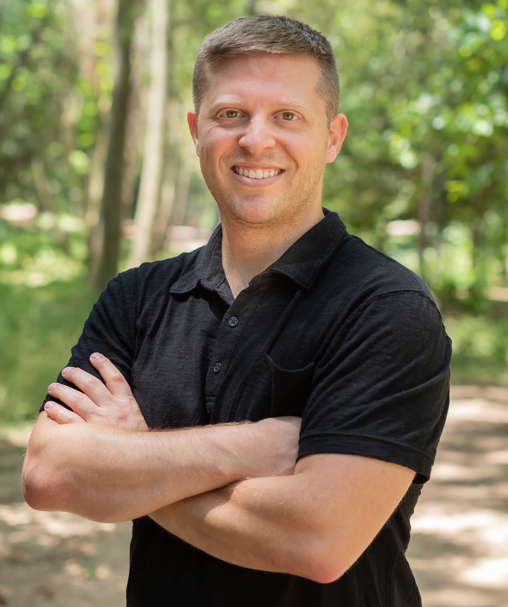
Loretta Markevics
Founder, Sed Communications
Chapters
Full Transcript
Sean Weisbrot: Podcasts can be a great. Thing for your business. But if you are the one who's the host and you don't have an editor, and you don't have a scheduler, and you don't have a publisher, and you don't have a promoter, don't do it because you're gonna do all of it yourself. And I can tell you, 'cause I've been doing it all myself for two years.
Loretta Markevics: I really appreciate the enthusiasm, but I know how much work it takes to do it. But just even the fact that he brought that up and was wanting and willing. To do it is pretty cool. So yeah, I mean, I think that the takeaway, it's like learn from anybody, right? And that's been actually part of the journey to just being a startup and is like, I learn things every day about myself, about the people that work with me, about my clients and their trials and struggles and about the startup community. I'm really starting to embrace. You know, being a part of that more and going to more events and that we have more in common than we do different and we can help each other. And that's just a really great thing to be part of a community where we can give advice and and perspective as as much as we can.
Sean Weisbrot: Alright, so this is an interview with Loretta. We're gonna be talking about your psychology. Thank you for taking the time to talk with me. I appreciate it. I know we did, uh, an episode in the past. Uh, for for people who don't know who you are, can you just explain real fast what your business is and if you don't mind talking about, uh, what you guys average, uh, in terms of revenue per year.
Loretta Markevics: Sure. Uh, so I'm the founder, um, and chief Chief strategist of Seed Communications. We are an integrated marketing firm that supports. Startups exclusively. Um, we are two years old and we are crossing over to a million dollars in revenue. Um, and so we're really proud of that milestone, especially because startups have smaller budgets than some of those bigger brands. So getting there has been, uh. Arduous, but a joy. Uh, so yeah, that's where we kind of are in our journey right now.
Sean Weisbrot: Okay, great. So I'll, I'll cut this little next part, but, uh. The reason I ask that question is because I want people to know that the people that are being interviewed are already doing seven figures a year, so that they have someone to look up to. Because the audience that I'm targeting are people that are not there yet. They're doing five, maybe six figures a year. Yep. Okay. And now there's dogs. I'm, I gotta close my window. This is one of the problems of living in a city on the first floor, facing the street, none less. That's okay. Okay, so. What makes you excited for this business?
Loretta Markevics: Everything. Uh, the newness of it. It's a new experience. I'm innately curious. I love trying new things. I love learning new things, so that for me, it gets me up in the morning and keeps me motivated, just not knowing what's around every corner and the challenges that I'll face. I thrive on adversity in some weird way. I don't know why. Um. It's exciting to meet startup founders. Honestly, I, I'm really glad that we focus the business on startups because their brand of marketing and psychosis, you know, like matches mine, uh, in as far as being a risk taker, being bold, being open and, you know, yearning for creativity and innovation. So I feel like between the. Unknown of starting my own business and the people that I'm in it with. It's just makes it really interesting every day of the week.
Sean Weisbrot: You said the unknown of starting this business. What's your biggest fear about doing this kind of a business
Loretta Markevics: failure? Um, I don't. Fail usually. I've had a pretty good track record. I can't say that I succeed at everything, but when it comes to work and business, I've been always incredibly ambitious my entire career. I've been ahead of the curve, um, of my peers and so I feel very proud of that and proud of my accomplishments. So. You know, I went through some really hard times in the beginning where I was crying nonstop. And I don't know why, because I'm not, that's not me when it comes to challenges, but I was just confronted with a lot of, um, emotions that I hadn't felt before and, and challenges that I, I hadn't, uh, stood face to face with. And I think, um, one of the hardest pieces was. You know, financial security and being sure that I could, you know, live the lifestyle that I had worked so hard to earn and if that would go away and was I making the right decision and leaving my career when I had just, you know, been promoted to the C-suite and the agency world and, you know, it was kind of my time and. I, I still think about that. I can't lie, but, um, you know, things obviously are growing and getting better with seed and the agency, so I mean, that becomes less and less of a concern and enters the further I. You know, kind of files in the back of my mind with every day that passes. But yeah, it definitely has been an emotional journey and I, I guess I didn't realize how important stability and financial security were to me until I kind of started my own thing.
Sean Weisbrot: So then would you say the financial part is the hardest thing? About running this company.
Loretta Markevics: For me, I'm a multitasker. I'm just, I've always loved work, like work is my hobby. It's sad. Um, but it's true. I really love what I do and it just, it kind of gets every part of me going. The creative side, the strategic side, the people side, you know, building relationships, selling, like, presenting. Those are things that I really love. So I think, um. The rest of it, like the doing of the doing of the marketing is something that I'm so well-versed in and rehearsed, you know, for over 20 years. So it kind of comes naturally to me. I think the pieces that don't come naturally were all of the entrepreneurship, um, kind of having to handle things myself, having to worry about where business is coming from, having to worry about. You know, the, the financials of the agency, things that, because I was the head of creative and strategy in my past agencies, I really didn't have to worry about any of that. Just show up with the ideas, show up with the brilliant thinking and you know, you were good to go in the meeting. And so taking on some of those responsibilities in the beginning was definitely not my strong suit at all.
Sean Weisbrot: So how have you handled that? Since then? Yeah. Since your finance are better now.
Loretta Markevics: Yeah. At first, um, I really wanted to control everything. I am a control freak by nature, so I think most entrepreneurs are, I bet you if you poll the audience, Sean, you would see that most people who own their own businesses probably are. Um, but at, in the beginning, I was, and then. I just, I just got too busy and my focus needed to be another area is then kind of balancing, you know, my, my checkbook so to speak for the business and, and, uh, I ended up hiring somebody to do that. And I think, you know, my comfort level with delegating certain things. Has has increased for sure over time. Um, I've always been the type of person that if there's somebody better for the job and better suited than me to do it, I will happily delegate to them. It was just a matter of financially making sure that we could afford to do that and that there was enough profitability there to, to make those investments. And, and so little by little, I mean I error on the side of. Investing in the business. Um, even if I'm not turning a profit, because I believe in what we've built and I believe that it will work. Otherwise, what's the point in doing it? You know, like if you're not in it and committed to it, you'll never really understand where it can go. So even in the first year when we weren't making a ton of money, I was still investing in people investing in, um, different types of software investing in. Products and creation of products to make sure that we had a better chance of succeeding. So it, I've always had that mentality. I think that there needed to be at least a little bit of a security coming back to that again, in the fact that we had enough revenue to support everything we wanted to do before making that decision.
Sean Weisbrot: So how much did your company, how much was your company earning monthly for you to feel that it was okay to hire that first person? How long was this, uh, from when you started the business and who did you feel was the first position to hire for?
Loretta Markevics: Hmm. Interesting. Yeah, I couldn't tell you. I think, uh, I think our finance lead came on board, I wanna say eight months ago. I think that's, and we're two years old, so, you know, between a year and a year and a quarter in, um, I think that I needed to feel like I could at least pay myself before making investments in other things. So I needed to, um, ensure that there was at least that piece of it. Um, and then. You know, him coming on board actually made me pay attention more to the finances and to where we were investing our money, where the growth was coming from, and then being able to invest more in those. So he actually helped us to make more money by investing in him, if that makes sense.
Sean Weisbrot: So your first hire was a financial person?
Loretta Markevics: Um, well, my first hire is basically all of the staff that does the marketing and pr. So my first, we're a consultant business, so we hire consultants. That's our whole model is we don't have full-time hires for anything. We actually have a group of consultants that are signed on long term contractually to work with us, and that's a model because it's. We have a hundred percent remote agency. We need flexibility for startups to bring in different resources at different times, and they can't actually afford to have many times a retainer relationship. So sometimes we'll work project by project and not work on retainer, um, to give them that flexibility. So our model reflects what, um, startups really need. Um. Financially in their model and structure, but also in the structure of their team, um, where they need people with different capabilities at different times to flex. So that is the model, which means that, um, the first people that I have to find are people that can actually do the job that we're hired to do. So I was fortunate enough to have. In the beginning, um, my partner Jen, who she heads up kind of all of our media relations and PR piece of what we do in integrated marketing, and she was there from the beginning, like being a cheerleader, helping to, helping me to like be able to lean on somebody and, and vent and get, get counsel, you know, for the things that I was unfamiliar with. So she, if you talk about a first hire, I guess it would be Jen, um, even though. You know, everything that we do is just kind of, um, consultant based.
Sean Weisbrot: Okay, fair enough. What has been your most expensive mistake? And that could be either something you spent money on and it was a bad spend or something that you didn't invest in, that you realize now is like, oh damn, I should have done that. And if you know how much that's worth, then that would be really cool too.
Loretta Markevics: I don't know that I've maybe. Maybe investing in, in a person that didn't deliver. That's probably the, the hardest thing. Um, but it's hard n pr, especially like in that part of the business. That's what most of our business started with, was doing media relations for, um, startups. And media relations is one of those things where it's earned media, so you can't actually guarantee as a consultant that you'll be able to help to get press because. It's not, you're not in control of it, right? The media is in control of whether or not they cover you and if your product is good enough to be talked about, if your story is good enough to be talked about, et cetera. So, um, definitely invested in some human capital there where, um, was hoping to get more return. But you know, it was also, we launched during COVID. Um, the media world was turned upside down at that moment, and it was incredibly hard for anybody to get coverage. Couldn't even find journalists. They were all working from home, so then you couldn't call 'em or text them, you know, sometimes their email wasn't the same. It was just a little crazy. So that was probably, I wouldn't say it's a miss. Stake. It's just the nature of the beast, um, and the work that we do. You know, working with creative people is a little bit different because they're actually producing things, producing an idea that they're in control of. Um, so. Yeah, I think, I think that's probably the, it's not a, a mistake per se, but it's definitely a place where I invested and sometimes did not get the return.
Sean Weisbrot: Okay. How do you anticipate problems?
Loretta Markevics: I guess I just take 'em as they come. I don't, I'm not, I'm very much a like, um. A visionary when it comes to looking ahead in marketing and seeing what's coming and being able to prepare for that and set our agency up for success, all of those things. But, um, I'm kind of caught off guard I think, when things go wrong because I'm super positive. Like I'm always actually, so back to Jen. Jen is a glass half empty. I'm a glass half full. So in the beginning of, you know, us kind of sorting out how we would split things up, how we would manage clients, et cetera. You know, um, we had a lot of conversations where her perspective was we weren't gonna be okay. And I was always like, we're gonna be fine. And that's just how I am as a human being. I am very pragmatic and realistic, and you have to be, to be a business owner. You can't live on in the clouds. You know, you can with your idea, but at the end of the day, there's some fundamentals that need to be there in order for you to thrive. But, um. Yeah, I always think things will work itself out, and if it doesn't, then it doesn't, and then you move on. I mean, you have to roll with it. I mean, like anything in life, nothing's gonna be perfect. And I think many years of being in the agency world, and especially with some of the most brilliant minds in advertising and marketing that I've had to, had the pleasure of working with and for, um, you just learn that it's not the end of the world. It's like. Someone used to say to me, you know, we're not saving lives here. We're just selling a bunch of stuff. You know, and it's the truth. It's like, at the end of the day, we love what we do. We love selling things on behalf of, you know, our clients. And if it doesn't work, it's like you can do your best to look back and see why, but it's how you move forward that matters. And, and I'm always just like, okay, let's just keep plowing. That's what we have to do. Um. So anticipating problems, to me it's like, it's almost scaring yourself for no reason. Like you can, I guess, look down the road and see if you're not gonna be making money or if there's some issues that could affect you losing clients or, you know, but to me that shows itself, you know, that shows its face. It's, it's not hard to see that. Um. And that's just my training, I guess, where I can recognize that stuff. So a lot of things don't surprise me.
Sean Weisbrot: Okay. How do you discover bottlenecks in your business and and how often is it you that's the bottleneck?
Loretta Markevics: Oh, I'm totally a bottleneck. There is no doubt in my mind, um, that control freak comment for sure. Um, but I've learned to get better at it. Um, I've become a lot better at delegation. I mean, I've led teams before, so. For me, it's pretty natural for me to delegate to people on the team that are really great at something that I've, you know, hired them to do. Um, I don't think that, um, bottlenecks in the other part of the organization show themselves that easily. Um, especially because people are reporting to other people and they don't wanna complain about them. So then the bottleneck continues. It's until. Someone at the top, if it's me or if it's Jen or if it's something else, you know, they, um, they start to recognize it because things just aren't getting done right. So eventually from the top you start to uncover the bottlenecks, but it takes a while for them to rear their head. 'cause nobody wants to get anybody else in trouble. Whereas it's so funny the other way around. You know, my team is the first one to be like Loretta just. Please don't get involved in this. You know, if, because it's just gonna slow down the process. I'm like, okay, that's fine. Like, just come to me and tell me when you need my approval or input or whatever, however I can help. And, and I think in the beginning I was certainly trying to boil all the pots, you know, myself and it was not working well. It, we got through, but it wasn't working as well as it is now. Now we've got a really. A much larger team. We've grown from five to 15 people and we have a lot of, um, things moving at once and it's enabled us to take on more business and do so successfully. So I would recommend to no one to love Thrive being a bottleneck, like love being in that space. It does not work. It won't work for the long term for sure. So, um. Yeah, that's the bottleneck situation, I guess, that I have moved beyond.
Sean Weisbrot: The funny thing for me is I always thought that I was. Out of people's way. And yet I would still be told many times over kind of like whisper in my ear from my COO, Hey, look like you're in people's way. You're micromanaging. How am I micromanaging? Like, I'm literally not doing anything. Yeah, but you're, they think you're micromanaging them. It's like, I like, okay, fine. I just won't show up on Slack for a month. Let's see what happens. Right. I'm gonna walk away and they're like super happy. He's like, okay, fine. I'll just stop coming to work. How about that?
Loretta Markevics: Right. Yeah. I think that micromanaged, micromanagers don't see themselves as micromanagers because they've been doing it for so long. I, it's, it's very, when you tell someone they're micromanaging, they're very surprised most of the time. Um. I think it's natural for business owners to wanna micromanage because it's their baby. You know, it's like raising a child, you know, no one's, no one tells another parent how to raise a child. Right? And, and I feel like. You're, you're so invested, your heart's so invested. Your soul is like in this thing that you feel like you wanna dot every I and cross every t yourself and make sure that the right color ink is being used and you know, what's the letting between the type, you know, all of that. Stuff is, it's down to that minutia that you get obsessive over and it's natural, like it makes total sense. But I have found that when I am, I'm not a micromanager at all. I am a macromanage like, Hey, do your do your thing you were hired to do. I believe in you. Go do it. Um, I think that micromanaging is just. A lack of confidence, um, at least when you have your own business. And then once you get your confidence, I think you start to back off a little bit more. But I was guilty of definitely being in the weeds too much in the beginning, but matured out of that, I think, and felt more confident. Yeah,
Sean Weisbrot: I always felt like I was giving them a ton of encouragement and praise and freedom and somehow they thought I wasn't. Which is strange.
Loretta Markevics: I guess that feedback loop is important, you know? Um, I'm constantly asking for feedback from the team. I wanna know that I'm doing a good job. I because. Like I, they're not full-time employees, right? On paper. I wanna make sure they enjoy working with us because if they're super talented, which our team is like, we've built an incredible team, they, I don't wanna lose them. And I don't want them to feel demotivated. I don't want them to feel like I don't trust them. Because one of the kind of parts of our model is that we only hire pros. We don't hire super junior people that are like. Kind of a bait and switch. Like, oh, you think you're gonna get these senior people, and then suddenly you get these junior folks working on your business. That's not what we do. And so the folks that I'm hiring have really wonderful experience. They know what they're doing. I think if I were to micromanage them, I. It would just, they would probably leave because it's just annoying. You know? It's a pain. You hired me to do a job, let me do the job.
Sean Weisbrot: Of course. Have you ever thought about stopping this company?
Loretta Markevics: Well, I was approached about, um, a potential acquisition. I. And that was actually the goal when I started was I'm gonna build this thing. And then maybe because we were focused on startups, which I see no slowing down in the startup community, it's growing and people are starting more and more businesses despite even the, um, inflation. But, um. You know, that was kind of the goal was that given the sectors we were in, we'd be attractive to large agency conglomerates to wanna buy us. And now, you know, when I was faced with that, I had to really make a decision of, of like, okay, I built this, it happened maybe faster than I thought it would, which is awesome of, you know, uh, being approached about an acquisition, but. I, I wasn't ready, you know, I'm like, I'm not ready. This is not done yet. This cake is not baked and I need to let it in the oven a little bit longer and see how it, how it comes out. Like maybe we'll get to decorate it. Maybe we won't, you know, and I. I, I don't know. It was a very hard, hard decision. I called a lot of my friends. Like, I think it's super important for anyone to have a group of like maybe four or five people that you trust implicitly that you can ask advice from, and, you know, hopefully they'll be able to point you in a right direction just emotionally of like what you. Who you are and remind you of who you are and remind you of the conversations you've had about your business and why you started it and what the future could look like and, and go to them. Um, because on my own, I, I just, I went around and around and around and around pros and cons. Did every list I could imagine. And, and it wasn't until I was speaking to other people that they reminded me of things I had said and, and goals that I had had. And, you know, it, it really just. Allowed me to make a decision, so I didn't think of giving it up. I, I thought of how it could evolve because it was being acquired, right? It wasn't being like. I wasn't abandoning it, but it was a tough decision. It was really tough to look at that opportunity in the face and say, you know what, I, I'm not ready.
Sean Weisbrot: Was any part of your decision to say no? Related to maybe their offer being not high enough?
Loretta Markevics: No, it was, honestly, I knew I could build more on my own and I wanted to see what's possible. Um, I feel like I. The industry I'm in, the sky's the limit, you know? Um, agencies take a long time to build. They're not overnight sensations. Um, you know, because even pieces of business coming up for review and, you know, they don't, there's not a huge turnover, you know, weekly. It's kind of like can happen annually. And so. Even though startups are starting all the time, you know, they're not necessarily spending a ton of money and so that's even a slower burn or slower growth trajectory. So I feel like, um, I. I feel like I have to be patient. Um, you know, and that, that will happen for this agency will continue to grow. We've been doubling year on year. So
Sean Weisbrot: hey, just gimme 10 seconds of your time. I really appreciate you listening to the episode so far, and I hope you're loving it. And if you are, I would love to ask you to subscribe to the channel because. What we do is a lot of work, and every week we bring you a new guest and a new story, and what we do requires so much love so that we can bring you something amazing. And every week we're trying really hard to get better guests. That have better stories and improve our ability to tell their stories. So your subscription lets the algorithm know that what we're doing is fantastic and no commitment. It's free to do. And if you don't like what we're doing later on, you can always unsubscribe. And either way, we would love a, like, if you don't feel like subscribing at this time. Thank you very much and we'll take you back to the show. Now we're
Loretta Markevics: on the right path. And so when you look at that, um. Down. Back to your point about anticipating problems down the road, I don't see a lot of blockades. Um, it's just gonna be about lead generation. That's honestly the biggest pain in the butt out of everything is leads.
Sean Weisbrot: So that's, that's a fantastic thing. I was actually thinking about asking you that earlier. I decided to leave it alone, but now that you've brought it up, I'm gonna ask, there's. A huge debate in the communities that I'm in between inbound versus outbound lead generation. Whether you should focus on one, whether you should focus on the other, whether you should have both in place. I'm curious what you decided to do.
Loretta Markevics: We have had, everything has been referral, so we've been really lucky where the reputation that. I have as an agency leader or that the people that are working with us have, um, we tend to get a lot of business, uh, through referral. In fact, I actually got a piece of business through, I think your podcast, John. Yeah, we could talk about that at another time. I think it was your podcast. Um, but yeah, I. You know, doing things that create visibility for the agency that demonstrate leadership winning awards. All of those things help reputationally, uh, for us to get attention because, you know, hiring an agency, you wanna know what they're working on. You wanna know that they're sought after. You wanna know that they do great things. So it's a, um, agency. Client kind of, um, lead gen is a kind of a unique thing in my opinion because it's, there's a lot of nuance to it. There's a lot of, um, a lot of who's on your team, what kind of brands have you worked on? So it's a lot of reputational stuff. And how creative are you essentially? But I do get approached on LinkedIn. About 9,000 do times a day of all of these people that say they can generate leads for me and set up meetings and it's, I mean, my inbox, I don't know. There must have been a meeting somewhere that said, Hey, let's all start the same business. Because there's thousands of these companies and individuals that approach me through LinkedIn and, and say that they can generate leads from me and all of this. And because I know the agency business. I don't think those will work for us. Because you know when you do a pitch too, when you meet companies, the only way that you can show them that you're amazing at what you do is through case studies. Yeah. But it's also about giving a perspective on their business. So that takes time. That takes a lot of effort to like dig into a category and assess where they are and what are the opportunities for them. And you can't. Get business in the agency world without at least doing a little bit of that and showing how you think and your strategic prowess and your creative prowess. And, and so if I got 50 leads, there's no way time-wise we would be able to answer all of them, you know? So I feel like the way that we've been generating leads is more organic. Um. That through connections that we have, through, you know, people referring us to other people they know, attending startup events, um, doing networking, things like that. That is kind of how we've been going after it. And I think, you know, those types of companies are not for everyone. It totally depends on the business that you're in, if that's gonna work for you. And so I think the agency example is a. Is kind of the best way I can explain, explain nuance, um, you know, in an industry and whether outbound or inbound is the way to go.
Sean Weisbrot: So a the, in the communities I'm in, everyone says, almost everyone says outbound, you gotta do cold outreach, you gotta be on Twitter, you gotta be on LinkedIn, you gotta do this and that. And my feeling is. There's probably nothing wrong with cold outreach to get the first few clients coming in, but at the same time, you want to build a personal brand around the owner and or, uh, a corporate brand so that you can start to build an inbound lead generation system because cold outbound is a hell of a lot harder to close. And I know because I've been there, I've tried it and, and my, uh, not my startup, but the business before that. Was also 100% referrals. And at first I started with cold outreach and I would close like maybe 8%, 10%. When I went, when I switched to referrals, I was closing 80, 90%.
Loretta Markevics: That's where we're at too. It's like it's 90% if you know, I think this year might even be a hundred. I think there is, there is a lot of, um. Which is a lot of explanation, a lot of time spent. When you're doing outbound, like I said, you've gotta come to them with some insight that's interesting about their business. So it takes time to put that together. I mean, one of the techniques we use. That, um, in my past life and past agencies was, you know, creating a piece of thought leadership and, you know, sending an article that we've written or a blog post that we've written or, you know, showing the results of a survey that might be useful to them that we've done. I mean, all of those techniques, sure. You know, they'll, they may or may not get attention. Um, there's always risk involved to that, but I think the way that. LinkedIn has like flooded people's inboxes and allowed those, you know, paid, basically paid opportunities to come in. I don't even pay attention to some of the email messages that I get or the InMail messages I get anymore because they're all sales calls and. They're not useful to me. It's a waste of my time to do this game of, Hey Loretta, I was just thinking about you and blah, blah, blah, and I'm just like, oh my gosh. Please stop. Like, please stop. I know you're a sales call and just tell me, tell me what you're selling and what you want. Like that's what I would rather happen. Then, you know, the, the cutesy techniques of email number three, four, and five and how to. Decision tree that, you know, I, I just, um, I'm very, very pro directness, Sean. So Of
Sean Weisbrot: course.
Loretta Markevics: What do you sell?
Sean Weisbrot: I get a lot of these kinds of cold messages to me as well, and it's very clear that they don't know anything about me, but they seem to think that they can help. Yeah. Um, I'll give you an example. This just happened to me. This morning. Okay. I went on LinkedIn and I had someone trying to connect with me. He's an associate at a VC firm based in Sweden.
Loretta Markevics: Okay.
Sean Weisbrot: And he, he knew that my startup was a great opportunity for them to invest in, and he really wanted to talk with me. Okay. The thing is, he was, he named. Not my startup name. He named my holding company in Estonia. That literally does nothing. There's no website, there's no service. It just holds my assets. So this guy stalked me on the business registry,
Loretta Markevics: right?
Sean Weisbrot: Thought I wanted to raise least you. I mean, hey,
Loretta Markevics: good going. At least he stalked you. That's more than some other people do, to be honest.
Sean Weisbrot: Like if he had any. You know, real common sense. He would've looked at my LinkedIn profile and saw that the name of that company was nowhere to be found. But actually there's another company that like might actually need to need fundraising. Right. Although that company is in Singapore and he focuses on the Nordic area. Got
Loretta Markevics: it.
Sean Weisbrot: So, but, but I felt naked because I don't want people looking for me on the business registry in Estonia. It's nobody's business that I have in a company yet. It's my choice why I
Loretta Markevics: got, he got to the bottom of your situation, Sean. I mean,
Sean Weisbrot: it's, it's public. It's public information, so I can't do anything about it. Right. Yeah. But
Loretta Markevics: of course.
Sean Weisbrot: There's no, you know, I'm not advertising on LinkedIn that I have a holding company in Estonia.
Loretta Markevics: Yes, I get that. I think, um, it's, I wish there was a way to kind of put your own filter on, you know, your own profile. So if you're listening LinkedIn, you know, like, please don't send me inquiries about X, Y, z just as much as what you're open to, um, would be helpful, I feel like, because. Especially smaller business owners. We don't have the time. We just don't have the time, you know, to sort through what are real viable opportunities. You know, me getting on the phone with someone for a half an hour when they come to me and talk about an opportunity to collaborate, right? And that they are a business that would collaborate with me and they show me. A face that's very different than when we get on the phone. That really makes me actually angry, um, because my time is super valuable. Why do you think that you can waste it? And I don't. It just, it puts me in a really bad way, um, because I'm so open to hearing what people have their ideas, how we can work together. But, you know, many times it is a, like, people come saying something, one thing, and then you get on the phone with them and they're selling you something else. And that's just com to me. Unacceptable.
Sean Weisbrot: Yeah. I, when I'm asked to do a call, I will say to them, what is the purpose of this call? Like, can this just be a message on, on WhatsApp or whatever instead? Right.
Loretta Markevics: Yeah. And that's what I've started to do more of. But even the screening process, like then I have to email them back and then blah, blah. Like, it's just. It's very sound.
Sean Weisbrot: Sounds like you need an executive assistant to do that nonsense.
Loretta Markevics: That's the next hire then Sean. Right? To be has to be. It's so funny, that's the last hire that I would ever think of, of hiring because for me, like all of the energy should go to the clients and not to me, and granted me getting freed up a little bit more would be more for business development purposes, honestly, than it would be for servicing current clients. 'cause our team basically has got it. But
Sean Weisbrot: um.
Loretta Markevics: Yeah,
Sean Weisbrot: I, I would never imagine wanting to hire someone like that myself because I feel like I do a really good job of not allowing any emails to go in or out for me and not really taking calls. So like I'm very strict about how I spend my time in that regard. But I know there are some people that really struggle. And so, uh, for example, one of my friends, his business is doing about 5 million this year. Um, but they're, they don't have any funding. They're boots, stoppped to profit over like nine years. And he's like, I'm hiring an executive assistant because she's gonna book all of my flights and my hotels and my cars, and she's gonna manage my schedule and my, my calendar and all of that because I am just struggling. I can't take care of it anymore. So if, if that helps him save several hours a day, it's worthwhile.
Loretta Markevics: Well, yeah. I mean, my executive assistant at my last job was a lifesaver. Um, I obviously surround myself with Jens. Her name was Jen. Jen, I love you forever. She's amazing. She changed my life, you know, she did. She made me actually grow into. The role more, um, because she was able to take away some of the things that kept me in the weeds, you know? And, and I was able to elevate myself and focus on things that my brain was better at focusing on anyway. Um, and she was also able to show me where I had gaps, you know, and. And where I could do things more efficiently. And I took those learnings from her and applied them for sure in, in my daily existence, um, where I became just more self-aware of what I was good at and what I wasn't good at. Um, and beyond my calendar management and all of that, um, it was. Certain things about like follow up and getting back to people. And you know how my team needed me and if I was in meetings all day, I couldn't get to them. And you know, there was a lot of things that became unpacked as a result of my relationship with my executive assistant, which I never thought would. Um, so sometimes there's some surprises that come with, you know, having an intimate relationship with someone like that because it is like a little marriage, you know, they know all your business. They know it all. Um, and they, when you have someone that gets you and that you guys are kind of on the same wavelength and you have very similar personalities that can manage each other or different, but that they, they mesh, you start to finish each other's sentences and it becomes a rhythm. And, and that's something that's invaluable, um, that. When you have that kind of honesty from somebody and intimacy in your stuff, like they start to teach you things about yourself, I highly recommend having an executive assistant at this moment in time. I seem to be managing okay by myself, but trust me, that was kind of another hire that I was like, I should, I should probably consider it. Um hmm. But for me right now, no. But I think it's
Sean Weisbrot: super valuable. Would you hire her back
Loretta Markevics: if she would ever come hang out with me again? In the beginning when we started working together, she fired me. She literally said, Loretta, like, you're not helping me help you. And it was, it was very hard for me to let go of, you know, let go of the control of what my day looked like and, and, um. It was so valuable once I did. But yeah, I would love to work with her again, but I think she is, um, she's loving where she is right now. I do still keep in touch with her.
Sean Weisbrot: Yeah. There's a few people I've worked with in the past that they left because they found opportunities that gave them more, um, more power, more money, things that we couldn't offer them because of the size of the company. And I was like, I would give my left leg to work with this person again and like. One of them, for example, was the backend developer. He was a senior backend developer, and he, we hired him at a time when we had someone who really badly messed up our backend, and we didn't realize it for several months. It took him over a year to fix it.
Loretta Markevics: Okay.
Sean Weisbrot: But single-handedly, he made our backend something that was like really beautiful and the documentation was made. He just like. This guy's attention to detail and ability to communicate and document. It was like. Talking with an angel. I, I can't even begin to, to put to words, I talking with an angel. I hope he's listening. I, I, I can't even begin to tell you how sad I was that he left. I got it. And I tried multiple times to try to convince him to come back. And he was like, but like someone like him,
Loretta Markevics: people grow too. And they probably learned from you right? As well? I think they, I hope so. You know, of course they have. I mean, even, um. You know, people who have come into my existence, whether at this agency or others coming in for one role, I moved them, shipped them over to another one because just saw what they were capable of that, you know, hadn't been brought to their attention before. And I think that's our job as people in any company is to like spot things that are opportunities for people, especially if you're managing teams and kind of. At least share with them, like, you could be really great at this. Have you considered doing this? You know, I have two interns right now that are the most amazing young ladies I think I've ever worked with at their level of experience. And they're teaching me every single day, you know, new things and they, you know, one of them came in with a certain interest and I'm pushing her into another area. I just feel like. Um, that's our job as humans is to enlighten each other, you know, of what's possible.
Sean Weisbrot: Yeah. I, I was mentioning earlier that I'm in several entrepreneur communities and a number of them are Gen Z, I mean, 15, 16, 17, 18. Some of them 20, 21, 2, 2. And the access to knowledge that they have that I didn't have 15, 20 years ago, it shocks me like. You know, if I was in their situation, I probably would be fur way further ahead than I am right now because we di we didn't have smartphones until I was 24. Well,
Loretta Markevics: you were beholden as well to the executives that you knew that were in your orbit, right? Because, and through LinkedIn you could reach out to people that you say, Hey, can you mentor me? I mean, that you admire. It's just access to different points of view. It, it's changed the game, you know? Um, and they're just t enthusiastic, you know,
Sean Weisbrot: LinkedIn didn't really exist for me. Twitter didn't really exist until I was already out of college and in China. Yeah. And, and all of those things were banned, so I couldn't even access that.
Loretta Markevics: Right, exactly. Yeah. So I think, um. It's ma it's just kind of magical to watch young people today. Um, they're so enthusiastic. They talk about optimistic, which is so surprising given what they've been up against, you know, and culturally during their kind of growing up formative years. Um, but yeah, I, I do feel like it's, you know, it's our job to, to. Show people what they're capable of. And I love working with young people. It's a passion of mine. Um. Uh, I love learning from them. I've studied Gen ZA lot, um, because of what I do for a living. And part of the strategic work that I do is about understanding cohorts, and that's one of them. I actually did a, um, survey and some focus groups with Gen Z. We're gonna be putting out a study at some point soon where asking them about startups and if they really understood them, and there's a huge gap, by the way, of what. Gen Z thinks startups are and do, and what startups actually are and what they actually do. And so we unpacked that a little bit and it's been interesting to see also the reaction from the interns that we have had come through, see it even in the last couple of years where there were like, wow, this is really great. I have autonomy. It's a little bit of a looser of an environment. There's less pressure, you know, although. Although there is pressure to perform, they feel like they're a part of the journey and there is something really great and about the malleability of startups in relation to how flexible and malleable these young folks are, um, to kind of dig in and learn deep quick. Um, so it's kind of like this lovely match made in heaven. I would say if you do have a business, like do some kind of internship program and pay them. Because I think interns should be paid, pay them, um, for their work. 'cause they, they'll be very enthusi more enthusiastic when you do. Um, but there's so much you can learn from them. I mean, even starting podcasts, you know, one of my interns like, you've gotta do a podcast, I'm gonna set it up for you. And she was more excited about it than I was, you know, I think there is something lovely there.
Sean Weisbrot: Podcasts can be a great. Thing for your business. But if you are the one who's the host and you don't have an editor, and you don't have a scheduler, and you don't have a publisher, and you don't have a promoter. Don't do it because you're gonna do all of it yourself.
Loretta Markevics: Yeah, no
Sean Weisbrot: thank and I can tell you, 'cause I've been doing it all myself for two years.
Loretta Markevics: Yeah, two years. You preach, okay, you can tell me not to do it. That's what I told her. I'm like, I really appreciate the enthusiasm, but I know how much work it takes to do it. But just even the fact that he brought that up and was wanting and willing to do it is pretty cool. So, yeah, I mean. I think that the takeaway, it's like learn from anybody, right? And that's been actually part of the journey to just being a startup and is like, I learn things every day about myself, about the people that work with me, about my clients and their trials and struggles. Um, and about the startup community. I'm really starting to embrace, you know, being a part of that more and going to more events and that we have more in common than we do different, um. And we can help each other. And that's just a really great thing to be part of a community where we can give advice and and perspective as as much as we can.
Sean Weisbrot: Is there any advice that you would like to share in our closing moments?
Loretta Markevics: I mean, I just don't give up. I mean, there's so many days where. I'm tired and I always am confident in myself. Like I know that I can do the job. It's just the other factors that can make it really hard and disappointing. And you know, one of the, the things, this is a great example actually. This is, I just traveled a bunch and, um, it was the first time that I was. On vacation and able to actually take a vacation in two years where I did not really answer emails that the team is great, they're taking care of everything, but we have an incubator where we started, we start startups. That's part of, um, well that is our incubator. Um, so that we can test new things and new marketing techniques on those. Um, our own startup brands. And we just started about, um, a year ago now. A brand where we, um, support farmer's market born startups. So we give them a platform to sell their products. And everything we're creating in the incubator is to help the startup community in some way, shape, but customer service part of that. Endeavor sometimes falls on me because there is some woman that's lost her mind, who's really angry for whatever reason that is. And then the team is like, what do we, what do we do? You know? And that customer service email like ruined my day. And I think I've had to, you know, just keep. Keep going. You know, don't give up. It's fine. It'll be okay. You know, and it could have really, like, really ruined my whole week, to be honest, because then I'll start worrying and what if this happens and what if she goes on social media and talks badly at the company and blah, blah, like, and start to spin, you know? And I'm just like, you know what? I'm just gonna alize this. It'll ruin only part of my day and I'll just keep going. And I feel like. Things are gonna happen like that all the time. And now I'm used to it. I, it's becoming less and less personal. You know, those, those emails, if I, they get elevated to me, you know, and, and I just keep going. So you just can't give up. There's, you gotta have thick skin and keep it moving. And that's why it helps to be a New Yorker in for me. And having had a really, like, tough crowd coming up in the agency world, you know? Um. Where I have that ability to keep going. So find somebody who, if you don't have that thick skin, but you've got great ideas and you've got all the passion and momentum, find somebody that can have that thick skin and show you how to move forward. Um, I think it's, I'm that for some of my friends, um, and their, the emotional support that I need, um, to sometimes just. Have a shoulder to lean on, cry on, yell on whatever, whatever the emotion of the day.
Sean Weisbrot: All right. Thank you, Loretta. Mm-hmm.