Why I Turned Down a $13.2 Million Contract
Why I Turned Down a $13.2 Million Contract. In this interview, Glen Bhimani, the Owner and CEO of BPS Security, shares the incredible story of walking away from an eight-figure deal because the client's values didn't align with his own. He explains why the client only wanted to use his company as an insurance policy, not for their actual security expertise. From quitting his job with just $200 to his name to building a thriving security business, Glen reveals the hardest decisions he's had to make along the way. He discusses his unconventional marketing strategy of exposing corruption in his industry, how he broke the traditional net-30 payment model to get paid weekly, and his journey from a "mom-and-pop" operation to a professional corporate brand. Glen also opens up about the one fear that keeps him up at night and the loyalty of a team that would "take a bullet" for him. This conversation is a masterclass in principled entrepreneurship and building a business with integrity.
Guest
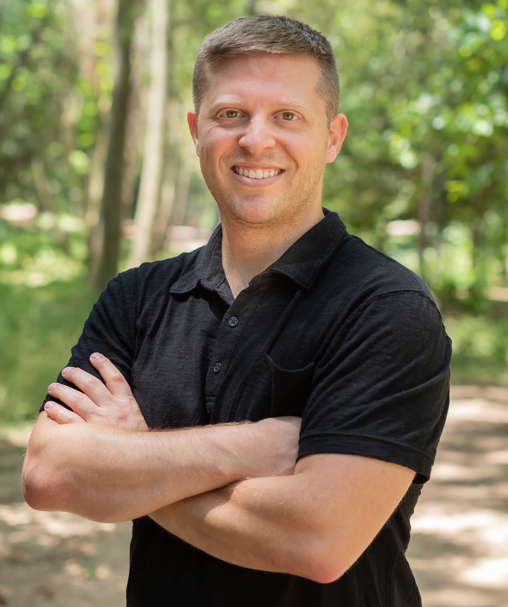
Glen Bhimani
Owner & CEO, BPS Security
Chapters
Full Transcript
Sean Weisbrot: I didn't take a salary for the first three and a half years. I know. I get it. And some people, when they start off, they have a number in their head of how much they think they need to make before they feel like comfortable or like they'd wanna retire. Did you have a number when you first started out? And if yes, how much was it? And has that number changed over time?
Glen Bhimani: I don't have a number, uh, as far as I wanna make, I want to grow the company. To where my number is, the number that's gonna allow me to put in a All Stars, uh, C-suite team from rookies that I can develop myself. Uh, it would roughly take about $18 million for me to get there, to be able to put a really good team in place for me to step back.
Sean Weisbrot: So this is an interview with Glen Biani, and we're going to be talking a little bit about how you started your company. The psychology you employ in yourself and in your company in order to keep it going and growing. Why don't you tell everyone a little bit about what your business is, and if you don't mind, uh, how much your company earns on average?
Glen Bhimani: My name is Glen Bimani and I own and operate BPS Security, which was founded in 2015. We have, uh, been providing security guard services, uh, from the very beginning. Then we added. Security alarm systems, access control, uh, 'cause a lot of clients were asking for us to do that. And we're currently making approximately $3.7 million a year on average.
Sean Weisbrot: All right, great. Thank you. I appreciate that. So what made you excited for starting this business?
Glen Bhimani: Kind of like most entrepreneurs. I was passed off for promotion and they told me to train person who was promoted. Uh, and I said, you know what? It's not for me. I'm not gonna train this guy. Go find someone else. I put my two weeks notice. I quit and I started my own company at that point. And what keeps you excited for about doing this business? It's the challenges that keeps us excited there. Uh, the security industry is a commodity and, uh, service industry where clients are usually just looking at the bottom dollar rather than the quality of the service it can get. 'cause they see us as a shield against lawsuits and that's how they want to use us. So they get the cheapest company so they can get our insurance and use that as a shield to protect their businesses. So we have changed our marketing, used a lot of psychology and managing our employees to be able to provide that quality, stable security service that no one else has seen before. And it's really worked out in our benefit, but there's always new challenges that come up, uh, every single year. So you've mentioned your team once or twice already. How many people do you employ? We currently have 27 full-time employees, I believe six part-time. And we have about 14 subcontracted, uh, full-time employees.
Sean Weisbrot: So alge, so that's all together, or is that a breakdown of those choices? Uh, no, that's all
Glen Bhimani: altogether. It's not a breakdown.
Sean Weisbrot: So like 42, 43, 44, something like that? Correct. Okay. How long after you started your company did you hire the first person and who, what position was it and why did you So the
Glen Bhimani: first person I hired was in 2017 and I needed them because I didn't wanna be stuck working the post so I can grow the company. 'cause once you start working your post and you're stuck at a site with the client, you can't sell more services 'cause you're there all day. Even though I hired the person at a loss and I was losing money in the beginning, it freed me up to go and chase more clients. Okay.
Sean Weisbrot: Now, did you ever regret starting this business at
Glen Bhimani: any point? Several times. Uh, right. So,
Sean Weisbrot: sorry, go on Te tell me
Glen Bhimani: what made you regret. Uh, we came close to closing a couple of times. Uh, we were, we only had a couple of hundred dollars left in the account and didn't seem like we were going to make it through. Uh, it just ended up that we ended up, uh, the last time we almost closed, uh, back in 2018, I hired a business coach. With the last couple hundred dollars I had, and that's when we started changing the company around.
Sean Weisbrot: So what was it that this business coach, business coach taught you that was so valuable that you were able to make changes so quickly?
Glen Bhimani: He basically told me, don't waste your time with clients, uh, meeting with clients if they can't afford your services to begin with. 'cause you're just spinning your wheels. Uh, I went to about, by the time I met 'em, I went to about 53 client locations and none of them hired me to give uh, quotes. Uh, at the end of the day they said it was too expensive. So not only did I waste gas and time going to all those 53 locations, no one hired me. So when I met with this business coach, he's like, just give him the price over the phone. Who cares if they say they can't afford it? At least you just saved all the time and you can use that time somewhere else. 'cause your time is very important, not so much the money. And we started doing that and we've been, we were able to reach out to more clients and we started closing. More clients doing that.
Sean Weisbrot: That's awesome. Congrats. So, have you ever thought about stopping even, even during the success, even right now when you're making all this money? Have you ever thought about stopping?
Glen Bhimani: No. Uh, I enjoy the challenges that come with it and growing it, and also the impact that we're making all our, on our employees, uh, lives every day. What has been one of the hardest decisions
Sean Weisbrot: or the hardest decision you've had to make so far?
Glen Bhimani: The hardest decision, um. For the company was to pay some of the guards that were good employees, even though we didn't have work, we kept them on the payroll and we kept paying them. It came at a heavy loss to the company, but once we got more contracts to put 'em to work, uh, it worked out at the end.
Sean Weisbrot: Was this during the beginning of COVID or,
Glen Bhimani: uh, middle of COVID?
Sean Weisbrot: Were you able to apply for the PPE?
Glen Bhimani: Yes, I did, but because of my payroll amount from the previous years, they said that I could only qualify for 17,000. Which at that point only covered like a couple of days of payroll. So you were making too much basically in the past? Uh, I wasn't making enough in the past to make up for, 'cause they went off of your previous wages for the last year, excluding your own. And that's when I started hiring more people. So they basically said, well because of what you made last year, you can only keep this. 'cause COVID was really our big growth, uh, when we really started taking off, uh, 'cause of our policies. So 2019, we had, I believe about 132,000 in payroll. So they went off of that instead of the new payroll I had in 2020 when I qualified. For the PPE loan.
Sean Weisbrot: Yeah, that's, that sucks, but you got through it. Mm-hmm. And that's what matters. So what has been your most expensive mistake? And if you don't mind saying how much it cost, whether it's, uh, money you actually spent unwisely or money that you missed out on earning because of this decision?
Glen Bhimani: So the biggest, and I wouldn't call it a mistake, uh, I passed up the opportunity. I turned down a client. That would've brought in about $13.2 million to in revenue to the company. What happened, if you don't mind explaining? The company was more about profit margin driven than the quality of their employees and or employees. They were more focused on how much they can make rather than how they can keep their employees safe, and those values just don't align with our values and how we run the company. So we decided to turn the client away.
Sean Weisbrot: So was this a client where you would've been providing security to, or like were they hiring you as a subcontractor? Like, I, I don't, I don't understand the dynamic.
Glen Bhimani: They, they were gonna hire us to do the security guard services for their facilities and they have, uh, 253 sub facilities in the US and out of those two fifty three a hundred ten location needed security services.
Sean Weisbrot: But it seemed like they didn't really care about their actual
Glen Bhimani: employees. Correct. They just wanted to use this as a shield for the insurance. Uh, another company, and I'm not gonna say their names, it's a very low quality company and they take large accounts like this, uh, 'cause they don't care at the end of the day, they're self-insured, so they just pay out whatever and make the rest, uh, in the long run. And the, this client told me, if you underbid this company by a dollar, I'll give it to you. And I'm like, yeah, that's not how we work. It's not about Underbidding the other company, just so you can save a dollar and. Because I mean, you're, you're looking at a dollar across seven point. Uh, uh, I think I did the math and between all the hours they were gonna save about $7 million or something like that from the other company to us, and we gave 'em that dollar. Wow. It was something, it was a lot of money that they were gonna save. So that, that's all they told me. And they're like, it's yours. And I'm like, yeah, no, and we turned it down.
Sean Weisbrot: Incredible. Well, that takes a lot of balls. I appreciate that. I respect that. So. How do you celebrate your wins?
Glen Bhimani: We usually go to a restaurant. I take all my staff with us or we will eat at my house. I have a big, uh, patio area, so we'll do some, cook it out there, get some meat, some steaks, and um, let 'em enjoy some of the nice whiskey I have back there. I. And, uh, that's how we celebrate. So what's something that you've
Sean Weisbrot: recently celebrated with them? Then
Glen Bhimani: we got some new contracts. Um, now that COVID is kind of over and things are starting to pick up and we've had a lot more work and we've been promoting some new people to management. So they've been very happy, uh, with their pay raises. I had one manager that wanted to cry 'cause I gave him a $4 pay raise. He thought I was gonna give him a 50 cent pay raise or a dollar pay raise. He wasn't expecting $4. Well, I mean, freaking
Sean Weisbrot: inflation man. Mm-hmm. $4. Yeah. That's crazy. Well, I'm, I'm glad that they're happy. Um, so
Glen Bhimani: how do you then handle losses? So the way we structured our company on our operation, we tied everything to the individual client. So we lose the client. None of our other profit margins are affected. So let's say we have four, four clients, uh, and we each make say, $25,000. Profit margin. If we lose that client, if we lose the fourth client, we still make $75,000 profit margin. Um, instead of saying, well, we lost this client and now we have all this other stuff, we still gotta cover. Instead of being like, well, we didn't just lose the profit margin, we still had the expenses, now we're at 60,000 profit margin. I type the expenses to the client and the profit margin for that client separated. So when we lose clients, it doesn't affect the other clients. Or those profit margins, I kind of segregated all the expenses to the individual client. How did you come up with that idea? Or is that something that's standard? No, it's not standard. So one of the biggest issues with, in the security industry is a lot of people buy, uh, security services, not security services, security software, vehicles, uh, offices, and it's hard expenses. You can't get rid of 'em even if you lose clients. So we don't provide vehicle patrol services 'cause that's a hard item we cannot get rid of. It will lose the client. We do not, uh, we hired a developer to do all our software, so we have our own custom software for the company, so we only have to pay for the maintenance on it. Instead of paying a subscription fee to someone else like, uh, soho or a CRM provider, something like that. We made our own softwares. So by doing all that. It was more expensive upfront, but now when we lose clients, we really don't have that much of loss. Okay.
Sean Weisbrot: Have you ever thought of, uh, white labeling your software to other security companies?
Glen Bhimani: Uh, we are. Some of them are interested, so that's something that we're working on. Uh, 'cause it has very good features that they can't get anywhere else. Awesome. I love it. I I
Sean Weisbrot: love your mindset, dude. I'm, I'm really impressed. How do you anticipate problems not only. Personnel wise, but like the market in general and how it affects your business.
Glen Bhimani: We look at other countries and other states, uh, to determine issues. Like when the COVID first hit in China and they were closing down, I told my staff It's gonna be a matter of time before it hits the US and our state. Uh, so we uh, we started reaching out to clients and we started telling them, Hey, you guys need to buy from us. Uh, I need to sign contracts before COVID hits. 'cause the prices are gonna go up. Locking your price. Now we ordered uniforms, equipment, guns, uh, ammunition all ahead of time. So when COVID actually closed down our state, we had received their, the last uniform, uh, order the day before. Uh, so doing those kind of things, uh, we anticipated right now we're getting ready for the recession. I know it started, people are not fully aware of it, but it's gonna hit hard in the next couple of months. And we're already starting to make preparations for that. We're buying equipment, we're buying other things right now, while we can still get it and companies are still open, uh, just to prepare for that.
Sean Weisbrot: That's brilliant. So when exactly did you become aware of COVID?
Glen Bhimani: I became aware of COVID within the first couple of days. It started, uh, in the news in China, so early March, I believe late February. Uh,
Sean Weisbrot: that's when America started talking about it.
Glen Bhimani: Mm-hmm.
Sean Weisbrot: But China, Beijing started talking about it on January 23rd.
Glen Bhimani: Yeah. Uh, February 20 is when I started making all the, uh, changes. And then I think by the end of March we closed down completely. Okay. From Texas. Okay.
Sean Weisbrot: I know the date because I was living in Vietnam and I had lived in China. I actually had lived in Wuhan for five years. So I had friends showing me video and stuff showing me like, this is bad. And I was telling people outside of China, Hey guys, this is already going to be global. And they're like, nah, it's fine. It's like chicken P, or not chicken pox. Like it's gonna be like the bird flu. It'll be a, you know, maybe a few thousand people will die globally. And I'm like, nah, this, this was like January 26th. I was like, Nope, nope, nope. This is already global. And I'll tell you why. The only reason we've heard about it is because China's lost control and they had no choice but to tell the world.
Glen Bhimani: Yeah. And it took a while for the US to start talking about it. That's when I started looking at everything in China, and I'm like, okay, we gotta start moving before it, uh, hits us hard too. Yeah.
Sean Weisbrot: My company ended up making a pivot as well. We pivoted, uh, to team collaboration for our software, so, but it, it's software moves a bit slower than everything else in that regard. Mm-hmm. Um, so then how do you discover bottlenecks in your business and how do you handle them?
Glen Bhimani: Uh, so the good thing is I worked in private security for a couple of years before I opened my own company. So a lot of the bottlenecks I found out was around paperwork and hiring and client acquisition. So, so I spent many, many months, I believe it was about 14 months to perfect that procedure, just trying to see what worked or not. Because when I first started and hired my first employee, I was in the office with the guy for hour and a half 'cause he couldn't figure out how to fill out the paperwork and it was annoying and he wanted to fill it out there to make sure he did it correctly. 'cause we have a lot of forms, uh, that they gotta fill out. So I automated that process to where now it only takes him two minutes and it goes through. Sorry for the client or for the employee? Uh, for both. Uh, I automated that process for both. Uh, started with the employees, it worked out well, and then I moved on to the client. So we have an online, um, contract that's already all prefilled and the manager can just go in there, put in a couple of, uh, items. The client puts all their items on their end, like their, uh, LLOC name, their company address, all that stuff that normally we would collect over the phone. Instead of collecting on their phone and being stuck with the client trying to get it correct, uh, because people's speech or accents or anything, or the quality of the phone call, we just tell 'em, okay, what's your email? We send it real quick, they get it, they send it back, they get a copy. We get a copy. There's nothing else we have to do. They automatically get, or certificates of insurance and all the other paperwork that goes along with it. So we brought client acquisition down to about 10 minutes from the time they call us to, to buy our services to the time signing the contract.
Sean Weisbrot: That's awesome. I know we had a similar issue with employees where it would take a while for them to provide all the documents we needed, and we ended up using this thing called Panda Doc, which I'm sure you use something like DocuSign or something like that, right. So mm-hmm. We, we also do e-signatures where we just fill in all the information. We just go, look, sign your name and click on the date icon. Icon. We only,
Glen Bhimani: we only fill their name, their email, and their pay rate. They fill out the rest.
Sean Weisbrot: Hmm. Well, I mean, yeah. This is, this is, uh, for the employees. We don't have contracts for clients. We're not, we haven't launched yet, unfortunately. But, um, so I'm curious, what's your biggest fear?
Glen Bhimani: The biggest fear for us is not being able to hire enough quality security guards to keep the company growing. Uh, it's been very hard to hire. Quality guards and we're not the type that will just move a guard around when they're not performing. We're the type that we just let go of the guard.
Sean Weisbrot: Why do you think it is that it's so difficult to find high quality people to be
Glen Bhimani: security guards? It's a combination of work ethic, their attitude, and of course a lot of people that were older, retired because they wanna spend more time with their families. Now that COVID hit. And, which that's understandable. They work, they worked their entire lives. Uh, that's not the issue. We'd had guards say, well, I'm worth $27 an hour. I'm like, but you have no training. You really can't make the company more. How can we pay you that? And we've offered training to people. I'm like, I can pay you $35 an hour if you want to be an alarm technician. They're like, well, I don't like the ladder. I don't wanna be outside in the heat. I don't wanna be in the attic. I'm like, you say you want 27, I'm offering 35. If you do this. Because we really need technicians also. They're like, no, no, it's okay. I'll go, I'll find a job somewhere else. And it's like, you guys we're offering you the training for free. We're gonna train you on the job and pay you more. Why don't you wanna work? I mean, we offer more that they want. Uh, the other thing is a lot of security guards are jaded because they're screwed over by the security industry. Very often they'll get. That like there was one guard that left us for another company, 'cause they promised him $30 an hour. We were paying him 19, which is very good in San Antonio. And he calls back three weeks later, he's like, they haven't paid me. They owe me $6,000 and now I have to get a lawyer to get my money. I'm like, we told you $30 was unreasonable. There's no way he can pay you that based on the, what the clients are paying in the, in the San Antonio area, expenses and stuff like that. He's gonna do something to you that you're not gonna be happy. And he calls us like you guys called it, you were right. I'm like, I tried to warn you. That's all I can say. So did you hire him back? No. Uh, 'cause he, we found out right before he left that he was working for another company and he was calling in as if his daughter was sick or he didn't have a babysitter to work for the other company to make a couple of extra bucks, uh, because they were paying him under the table. And we just don't condone that kind of behavior in this company.
Sean Weisbrot: Yeah, I wouldn't like that. I mean, uh, what I tell my people is, look, we, we give you certain risks, so obviously it's different. 'cause no one is hourly, everyone's salaried, and a lot of 'em are developers. So like every week you have stuff that you commit to doing. If you commit to doing that stuff and you still have extra time, that's your time. Right? I'm not gonna tell you what to do at that time. If you work with somebody else, that's your time. I don't know, but like. If someone calls in sick and they're getting paid and they're also getting paid, something like, yeah, I would have a problem with that.
Glen Bhimani: So what is your self-care routine? I usually will go either hunting, uh, clay, shooting, uh, at the targets that you shoot in the air. And, um, I'll usually work on a home project, like, uh, building my barbecue pit table outside. I soundproof my office so I can. I played music louder without bothering anyone else. My wife said it was pointless. I don't think so. Uh, usually that's mostly what I do, or I research a lot. I like to read, so I research a lot of business stuff. Uh, history of like net terms, uh, business policies, how they changed over the years since the seventies. Uh, a lot of that helped us implement new, uh, a lot of growth policies for the company.
Sean Weisbrot: What's an example of something you noticed in the law change and how you were able to implement that?
Glen Bhimani: So, a long time ago, uh, net 30 came about before I was born and I was reading a lot of large companies, if you're the squeaky wheel that keeps wanting to be paid early, that they, they'll make exceptions to pay a couple of companies upfront. Net seven, uh, same day, and they'll try to get other companies to pay net 30. Okay. Just because it's more money in their, in their pocket. Uh, as a free loan, basically my wife told me, you need to start making companies pay us upfront. I'm like, nobody's gonna pay us upfront. People don't like to be told this is your only option and that's it. So I went back to my psychology training and I'm like, okay, well people are okay with options, but they don't like to be told no. So I started telling clients, uh, we charge up front, uh, before sources are rendered. And then they would tell me. Well, we only do net 30 and net 45. Uh, those are your two options. That's what they would tell me. I'm like, well, we charge a 20% price increase, so if we're gonna charge you $25, you can add a couple of dollars to that more, uh, for your net 30. They're like, well, we're not gonna pay the 20%. I'm like, we'll, tell you what. Pay me every week and I won't give you a price increase. I'll waive that fee for you. So that's how we started getting clients to pay us every week, uh, on the dot. And we added a closet, said, if you don't pay, we can ca, we can suspend services immediately without notice. So it's always hanging on their head that, Hey, you don't pay on time one, you're gonna get the 20% price increase on the contract automatically if you're one day late. And we can suspend services until the money hits your bank account. So by doing that. We've grown a lot because in, in the security industry, if you went net, if you wait net 30 and you're paying a hundred thousand in in wages every month, well you, by the time you get paid, you're already out almost two months, so you're out 200,000 and if you had that 200,000, you can get more clients in the pipeline. So instead of saying, well, 'cause this is what happened when COVID started, a lot of companies would call me and they're like, the other company can't do it because they don't have money for payroll. I would tell the client, pay me every week and we're good to go. And they paid me every week. So before payroll was due, they had already paid me for the work done. And we were able to add more employees and then more and more employees after that because we don't have that money tied up in payroll like the other companies were. 'cause we're getting them every week instead of every two months.
Sean Weisbrot: That's really cool. I love it. I, I had a similar issue with my dad's business. He was the dentist. And he was doing paper claims for insurances and it would take 60 days to get the money. And when I started working with him, I noticed and I forced the team to use digital claims and it went down to seven days to get the money, 10 days max. And it changed their, their business it, it made it so that he could actually spend and pay salaries. So yeah, it is amazing. I can't believe companies would like tolerate such horrible payment conditions.
Glen Bhimani: It's, it goes back to psychology where they're a lot, uh, the individual person themselves. 'cause this happened to me as well. That's why I was hesitant and it took me a while to research all this, is you start thinking, oh, if I don't accept their net 30 terms, they're just gonna go with someone else. And I lose out on the, on the revenue. I'm the client. Hey, just gimme 10
Sean Weisbrot: seconds of your time. I really appreciate you listening to the episode so far and I hope you're loving it. And if you are, I would love to ask you to subscribe to the channel because what we do is a lot of we're, and every week we bring you a new guest and a new story, and what we do requires so much love. So that we can bring you something amazing and every week we're trying really hard to get better guests that have better stories and improve our ability to tell their stories. So your subscription lets the algorithm know that what we're doing is fantastic and no commitment. It's free to do. And if you don't like what we're doing later on, you can always unsubscribe. And either way, we would love a, like if you don't feel like subscribing at this time. Thank you very much
Glen Bhimani: and we'll take you back to the show now. And it's one of those where do I wanna risk it? Especially when you're starting out and you're struggling, or do you want to take your chance and hope that it works out at the end? And that's what we did right from the very beginning. But as you get comfortable, it gets easier to just tell the client, Hey, that's how we roll. Um, take it or leave it, and you put it back on them rather than them forcing it down on you.
Sean Weisbrot: Yeah, I used to do consulting and I had something similar at first where like the clients wanted contracts and they wanted to pay 30% upfront and this and that. And then I changed my model where I stopped going to clients and I started having people who trusted me bring clients to me, that the clients trusted them. And I said, no contract a hundred percent upfront, or I don't do anything. And eventually they started saying yes, and I kept increasing my prices and they kept saying yes. And I was like, great, everything's great. I don't have to put like write anything down, you know? As long as I provide the service and I pay the commission to the person doing the referral, everything's great. And that was, that was huge for my business.
Glen Bhimani: It's amazing how little things can make a big impact.
Sean Weisbrot: Yeah. So speaking of money, I'm curious when you decided to take your first salary. From the company.
Glen Bhimani: I took my first, my first payment was in December of 2018. It was only a thousand dollars a month, so like three years? Mm-hmm. Wow. And that a thousand dollars a month was just to cover some of my expenses. My employees were making more than I was. Oh yeah,
Sean Weisbrot: I get that.
Glen Bhimani: I, I
Sean Weisbrot: didn't take a salary for the first three and a half years. I know. I get it. And some people, when they start off, they have a number in their head of how much they think they need to make before they feel like comfortable or like they'd wanna retire. Did you have a number when you first started out? And if yes, how much was it? And has that number changed over time?
Glen Bhimani: I don't have a number, uh, as far as I wanna make. I want to grow the company to where my number is, the number that's gonna allow me to put in a All Stars, uh, C-suite team from rookies that I can develop myself. Uh, it would roughly take about $18 million for me to get there, to be able to put a really good team in place for me to step back.
Sean Weisbrot: You mean 18 million a year in revenue?
Glen Bhimani: Yes.
Sean Weisbrot: Okay. Now I was, I was kind of referring to like a personal, a personal
Glen Bhimani: number. Yeah. I really don't have a personal number. Uh, probably because how I grew up in poverty money was, is uh, something that was considered nice to have. Uh, so you can enjoy things. So I've never really, I don't, I don't know how much I make until the end of the year. Like I don't even know how much I'm making this year. I know it's more than last year, but I really don't have a number. As long as I can pay my bills, that's all that matters to me.
Sean Weisbrot: Uh, so then do you basically look at the. Profit after all costs and then like, that's what you take, you just take the rest of it at the end of the year? Or like how do you, what do you do?
Glen Bhimani: Uh, we reinvest, uh, 30% back into the business and I take the remaining amount. That way we have enough, uh, for emergencies for the business, and I take the rest. Uh, I was gonna say, money for me is not the motivation, it's the challenges of running the business. Uh, I like the challenges. I like the having to think on my feet. Uh, that's where I get my, I guess joy is running the business.
Sean Weisbrot: Okay. How have you had to change yourself through this process of starting the company until now?
Glen Bhimani: I, I've had to be more intuitive with people's feelings. To, and, uh, not just with clients, but with employees to be able to steer the company correctly, uh, especially when we needed to get through a hurdle. And I've been training my staff to do the same, um, to listen to the employees, to the clients, to steer the, uh, where we need to so we can keep the company moving forward.
Sean Weisbrot: Who would you say you communicate with the most in your company on a daily basis?
Glen Bhimani: It would be with my operations manager, uh, Renee.
Sean Weisbrot: Okay. When did you hire her? What, what employee number was she? I know people don't like to say numbers, but like obviously you have 40 something people. So at she was a number. Yes. You know the number of people you hired?
Glen Bhimani: He came in at the 17th employee. Okay. 17. So that was what, like 2020?
Sean Weisbrot: 2019. 2019. Okay. What has, what kind of value has brought, I, I'm not trying to challenge anything, just I'm, I want the audience to understand the value of having someone to manage operations. So I'm just curious kind of, uh, what, what value does he bring for you on a personal level or emotional level, or just professional level? How did you find him? How do you know him?
Glen Bhimani: So, I hired him as a regular security guard. He had no management experience, no supervisor experience. I'm like. As rookie as you can get him. That's how he was. Uh, he started with me doing, uh, site work at a client's location. He had very good work ethic, no excuses. If he messed up, he owned it. He said he screwed up and there was no, no, um, there was no excuse. He could gimme that would would matter. That's what he would tell me. And COVID hit. He had to take care of his family, so he left. I hired a different operat, uh, hired an operat. I hired my first operations manager in 20, early 2020, uh, because he couldn't do it. He was gonna be my first pick, and I trained that operations manager. He turned on me when he was making good money. He wanted more. He threatened me. So I fired the guy. Uh, I promoted, I called him. I'm like, Hey, I know you haven't worked for me in a while. Do you want to come back, uh, as an operations manager? And he's like, well, I don't know anything. I'm like, don't worry about it. I'll train you. It's gonna take six, six months to a year after that. You'll be good to go around the eighth ma, eight month mark. He was on his own. He was making sure the schedule was correct. Uh, we were eliminating overtime. He just took so much stuff on my off my plate and I didn't have to worry about running a day-to-day op uh, operations because he was there and I knew that if I was gone on vacation. He would work it himself if no one else could work it. And that's the kind of quality that I'm looking at for somebody. Good work ethic, they accept responsibility for their mistakes and they're willing to learn. Great story. I love it. Um, what. The most important change you've made in this business? The most important change we made was the marketing. And can you elaborate on that a little bit? Yeah. So we changed our logo, uh, from a, a logo that looked like a family logo. Let me actually show it to you real quick. So this is our original logo when we first started. It basically looks like a cheapy family made company logo, right? Uh. It is what it is. So we changed it to this new logo now that we're using. Uh, let me see if I can get it close. There. I can see it. Yeah. To where it's cool.
Sean Weisbrot: I like it. It's like a shield, but it's also like a bird. It's protecting you.
Glen Bhimani: Yes.
Sean Weisbrot: I like it. I
Glen Bhimani: like it. And the first logo says we're a small mom and pop company. That's what it says. This other one says, we provide services to corporate companies, uh, with the colors and everything that we chose. Uh, we changed our website, uh, we changed our wording. We put a pricing calculator that's accurate, so plans can get an, uh, real price right away on our website. They don't have to wait two weeks to a month to get a quote from someone else. Uh, they don't even have to call us. They can just go in there and it's accurate. Uh, and they'll give 'em an itemized list of all the expenses associated with providing the services to them. By doing that and doing a, a lot of social media. We got more confidence from employees wanting to work for us, so that really helped us get more employees in the pipeline as well. Uh, it's still a little bit hard, uh, just because of, uh, the current, uh, attitudes and working and stuff like that, but it's been a lot easier than before. We had the social media going and clients are, are coming in more quicker because of the marketing and all the SEO work we've done. Uh, we've pretty much gone to the very top of the list of Google, and that's how clients are finding us.
Sean Weisbrot: Nice. Yeah, I love the logo. That stuff is so important. I've talked about branding with a few people, personal branding, corporate identities. Uh, yeah, it's, it's very, very important. What
Glen Bhimani: made you realize that you needed to make that change? I, we had clients coming in, but they weren't buying all the time, uh, before we did the change and. Uh, a lot of security guards were like, well, you're new. There's not much information about you online. I don't feel comfortable working for you. And if that's how the guard feels, then the client probably feels the same way. Uh, 'cause we're all human and I mean, we're gonna have similar feelings, uh, towards a logo, a company, depending on how they look like, uh, we start. And I just never trusted the other companies that say, oh, we do SEO pay per click. I didn't think that was the way for us to do it. So I found a person that I kind of agreed with me on that, and we went the organic route of just pushing social media, pushing logos, branding, and it worked really well for us. So what
Sean Weisbrot: kind of things did you do on social media specifically? I'm curious from a, uh, security company point of view.
Glen Bhimani: So right now we're doing what we call the Guard Chronicles. Uh, and it, it's kind of like. Anonymously taking video from guards have been screwed over in the industry, and we're posting their stories on how they got screwed over and what happened to them by other companies. We also have informational blogs on how security companies are illegally working with the client. Uh, for example, in the gar in the bar industry, you're not allowed to provide bar security unless you have, uh, insurance. And it costs roughly $23,000 a year per client. A lot of guard companies don't have that. So they're leaving their guards, uh, their clients exposed to the point where now companies like us can no longer get insurance to do bar work because of all the lawsuits that happen with those companies.
Sean Weisbrot: Yeah, I like that. It's very informative for showing that you. Or you're not just providing security, but you're also trying to show that you're above that, that you're, you're not so petty as to just try to find money. You actually care about the clients and you care about the guards and you care about doing things above board. I love it.
Glen Bhimani: Yeah, we had, it's really cool. And the way we talk to clients, we tell 'em, look, we are the standard in the security industry here, uh, in the state and several other states. And if we're too expensive for you, let us know. We don't wanna waste your time or my time. Uh, if you, we were, if we're the right company for you, sign the contract. If not, uh, we can find someone cheaper for you. Uh, and sometimes they get upset, they'll, or sometimes they'll buy from us. No, we're not worried about it. And there was one guy that called, I need an unarmed security officer to deal with the drug users on my property, and they're aggressive. I'm like, I'm not gonna give you an unarmed guard to deal with that kind of situation. It's a danger to the guard and to the people around them. And they're like, well, they're just homeless people. I'm like, yeah, that's not gonna happen. Josh. They're still people. And he's like, well, unarmed guards are cheaper now. I'm like, no, you got used to being told unarmed guards are cheaper by the cheap companies, but if you hire a quality guard, regardless whether they're unarmed or armed, it's gonna cost you money. Uh, I tell them, we can only give you an armed guard if you want, but it's gonna cost you this much. It's like, nevermind. That's almost twice what I want to pay. And, and he probably didn't solve
Sean Weisbrot: his problem. Nope. So what's something, you know, you've needed to change but you haven't? And that's either personal or for the company?
Glen Bhimani: Uh, for the company we have to make, uh, changes to or employment contract and some, uh, other documents. We haven't made the change 'cause it's a lengthy change. And we just don't wanna update all our, uh, electronic forms to that. It's a headache.
Sean Weisbrot: And personally,
Glen Bhimani: uh, personally, I definitely do need to exercise more to stay in shape. Uh, I haven't had a chance to go back to my MMA training in the last two months. Uh, I can feel the difference of being more tired, not as, uh, energetic or, uh, being able to go, uh, all day like I used to. I'm curious, how old are you? I'm 33.
Sean Weisbrot: Okay. Yeah, I just turned 36, so I understand. Uh,
Glen Bhimani: what's the first thing you do in the morning? First thing in the morning, I usually wake up at 5:00 AM um, come to the office and I start reading my EML and reading some articles, and around seven I start responding to the emails, and then I get my daughter ready to take her to school or to her camps. Then I come back and start working again.
Sean Weisbrot: What's the last thing you do at night?
Glen Bhimani: The last thing I do, uh, is usually putting my daughter to sleep. She likes for me to sing to her at night before she goes to bed. Uh, normally that's the last thing I'll do, uh, for the night.
Sean Weisbrot: Okay.
Glen Bhimani: When do you tackle the hardest thing you
Sean Weisbrot: need to do each day?
Glen Bhimani: Uh, normally 10:00 AM There's any specific reason why 10? Uh, my daughter's at school. Uh, the interruptions are limited. Because most of the work, my staff gets done between seven and nine 30. So from 10 to like two, I have just a solid amount of time. I can work without interruptions and just get it done, uh, while they're busy doing something else. So how do you handle distractions to make sure you can use that time very wisely? I normally turn off my cell phone, um, during that time or put it on silent and I'll tell my staff, my managers, that I'm busy and uh, if somebody calls it, I'll call 'em later. And they'll usually take care of everything. And my calls are forwarded to the, to their phones.
Sean Weisbrot: Nice. You've got a dog that just walked into the background. I saw its tail.
Glen Bhimani: Oh yeah, that's, uh, Wyatt. He loves
Sean Weisbrot: that. Uh, La-Z-Boy back there. Ah, nice. Yeah. My, my dog in America is similar. He loves the couches. They're all leather. Random question. From left field, whatever you wanna call it, some whatever baseball thing. Could you have prevented Shinzo, Abe's death? Shinzo Abe, the Japanese Prime minister that was just assassinated a few days ago.
Glen Bhimani: I saw a small clip. I really haven't looked into it. Um, they fired him on the open, right? He was giving a
Sean Weisbrot: speech with very minimal security. Someone walked right up to him and shot him from maybe two meters away, like 10 feet, 12 feet. Maybe 15. Hit him two shots, one to the neck, one to the chest, and he was down.
Glen Bhimani: What was he, uh, what was his speech about?
Sean Weisbrot: Uh, I think he was promoting another, so basically he, he already, um, ended his term as Prime Minister, but he was now like promoting someone else in like a more local election somewhere outside of Tokyo in like some other province. Um, if I'm not mistaken, guns in Japan are banned, right? They are. The guy who killed him was a former, uh, veteran, or he's a veteran of the Japanese Navy. He's been trained in weapons and he made his own weapon from scratch.
Glen Bhimani: Mm-hmm. Um, I would say you could not prevent it, uh, if it's, if he's that trained, he knows a lot of the procedures and how to avoid them. There could have been things to deter it and maybe save the guy's life, especially if he had, body armor would definitely help. Most times when they're making those kind of speeches, they want people to be close to them and they don't keep people at a distance 'cause you wanna connect with the people and stuff like that. That makes it harder to protect and in a country like that, they weren't expecting for the person to get shot. 'cause guns are not
Sean Weisbrot: Yeah.
Glen Bhimani: Uh, easy, easily accessible, uh, there, but it's easy to make one.
Sean Weisbrot: Yeah. What I had heard, which was interesting, was there's a good chance that most of the people there had never even seen a gun before in person. So they had no, I, they may have had no idea what it was. See, I, I agree there. It may not have been possible to save him, but they wouldn't have even thought of putting body armor on him because what's there to protect from like a knifed attack,
Glen Bhimani: you know, they do. So body armor for knives.
Sean Weisbrot: Okay, well, I like he, he wasn't a bad human being, like he didn't, he didn't deserve to die. There's no reason why that attack happened. I mean, obviously the guy was deranged in a way, but. The, the attacker not the prime minister. All all prime ministers are deranged in their own way. So I'm curious,
Glen Bhimani: who do you look up to for advice? I usually look up to my marketing director for advice, uh, normally 'cause I'm very brash, uh, very, um, too forward with clients, uh, on how I type things. So she'll real type, uh, she'll real, she will retype my emails that are important. For certain clients when I'm gonna put a client on their place or, uh, send something skating, she'll rewrite it for me. So it sounds a lot better. Uh, and I'll call for some quick, uh, advice real quick, uh, before I talk to a client a certain way so I can get my words just, just right. It's helped. Fair enough. My
Sean Weisbrot: COO does that for me. Sometimes. I was going to do a speech, it was. It was, I can't really call it a pitch like it was organized by one of my, by one of our investors as like a showcase for some of the other companies they had invested in. So it was kind of like to make the investor look good to other potential future investors that might give them more money to invest in other companies like mine and. I just had the pitch deck that we'd used to raise funds for, so I am not used to actually giving speeches about our company. So he spent a few days writing like a 10 minute script for me to read from, uh, as I had it. And then I just acted the shit out of it and I, I killed, I was nervous for like a week going into it and like I killed it. And it was only because he didn't sleep the night before writing the script like. Making sure it was perfect. I was like, fuck, man. That was, that was clutch. It was really, really good. Everyone loved it. So I totally, yeah, it's, it's amazing to be able to have someone you can lean on that can be like, Nope, this is wrong. Let me do it. Mm-hmm. Okay. Okay. Makes it a whole lot easier. Yeah.
Glen Bhimani: So what are your favorite resources for learning? I use a lot of, uh, Google to find random articles. Uh, the thing that I found about the. Charging a price increase for net terms was actually a, a software freelancer. I couldn't find it anymore 'cause I wanted to give him credit, but I can't, it was just one of those random ones. I, I was thinking like 18th page on Google that I found it on, uh, that I got that idea from, uh, after my wife told me to charge up front. Um, so I like Google. I like, uh, Facebook for certain, um, what's the word, I guess? Not clues, but little snippets that I can follow. Like, uh, somebody did this or they did that. Uh, and then I just start looking into it and read more about it. So usually that's how I get my, my start to, to start researching.
Sean Weisbrot: Okay. What are you currently learning about?
Glen Bhimani: Uh, right now I'm currently working on employment law in Colorado.
Sean Weisbrot: Why that state specifically?
Glen Bhimani: Uh, we do business in Colorado and they're currently changing quite a bit. We have a lawyer that's, uh, licensed in Colorado. Uh, he handles all that for us, but I still like to learn on my own. So when I talk to the lawyer, we can have more meaningful conversations and it's easier for both of us to communicate on his language. Which he's found very useful 'cause we can get things moving forward much quicker.
Sean Weisbrot: What's the most important thing you've learned in your life?
Glen Bhimani: The most important thing I've learned is if you help other people, they'll help you out. And in the long run, both of you're gonna come out ahead. Okay. What advice would you have that's different from that for other entrepreneurs? Don't just look at how much you're gonna make at the end of the year. Look at what is the quality of life you're gonna provide to your employees, uh, every year? And make sure you take care of them. So they will always be there for you when you need 'em. 'cause not a lot of employee, you have the employees that are gonna leave you. That's nothing you can do about it. Then those employees that will take a bullet for you, like, uh, my operations Renee, uh, said that I've changed his life and that he'll take a bullet for, uh, for me to make sure the company keeps moving forward. Uh, if need be, and those are the kind of people that you need to take care of for the rest of their lives so they can take care of you as well. I would say
Sean Weisbrot: no. I, I don't want you taking a bullet for me. You're the one that keeps things like alive.
Glen Bhimani: Oh, I gave him right, Renee? He just came into the office.
Sean Weisbrot: Oh, he is here? Yeah. Okay.
Glen Bhimani: You wanna see him? Hi Renee.
Sean Weisbrot: Uh, sure. Let, let's end the recording here. Do, is there anything else you wanted to mention real fast before we end this? Nope, that's it. All right, then I'm gonna hit stop now.