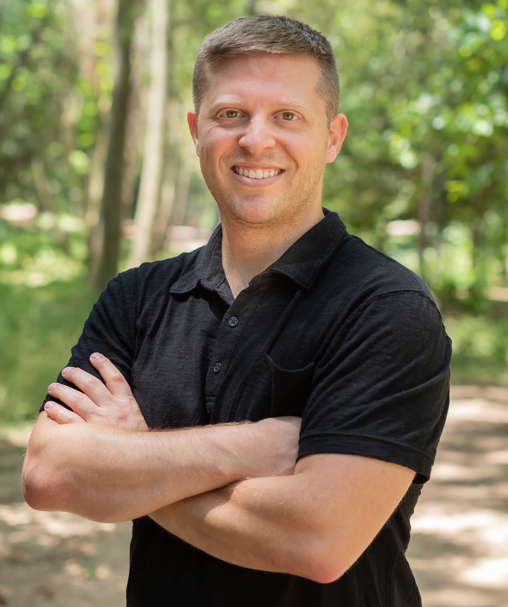
Why Gen Z Is Broke: They Lack Skills, Discipline & The Guts to Move
What is the real reason why Gen Z is broke? According to 8-figure entrepreneur Joe Rare, it's because they're completely unrealistic about what it takes to achieve anything. In this brutally honest interview, he argues that the younger generation lacks the skills, discipline, and willingness to move to areas with a lower cost of living. Joe shares his own journey from owning 14 properties to losing everything, revealing the #1 secret of billionaires (never sell your assets), and discussing his responsibility to create generational wealth. From the secrets of trusts for the uber-wealthy to how to buy a boring business from a Baby Boomer, this conversation is a masterclass in wealth-building principles that challenges conventional thinking about financial success.
Guest
Joe Rare
Entrepreneur, Level 9 Virtual
Chapters
Full Transcript
Sean Weisbrot: Joe. Rare is the owner and CEO of level nine virtual a first in class service provider. Of virtual assistants. The funny thing about this company is that it's completely run by virtual assistants. I thought that was really interesting. He's also the owner of three other companies as well as five wedding venues, and he invests in other companies, advises other companies in his spare time. Joe is a very interesting guy to talk to. We talked a lot about creating passive income. And defining how you wanna live your life and how you want to use that money to the best of your ability to do what it is you want with life. It was a fantastic conversation. I know you're gonna love it. Let's get to it. What is your definition of passive income?
Joe Rare: So income that doesn't require you to physically work. And so that could be, um, I mean, even if you're operating a business, you could create a business that has passive income by employing other people to actually do the work. You don't have to be a part of it. And that's kind of my, you know, my claim to fame is my ability to do that. Um, so then I also look at things like, you know, real estate investments, which we do a ton of real estate investing. Um, those are very passive because I literally don't touch them. And so once we invest in a property or something, it gets up. We have rent rolling in. There's not, you know, there's not much management or anything that needs to go into it. That money comes in very, in a passive way. So for me, it's, it's, if it's hands off and it doesn't require my physical presence. Then it's a ha, then it's passive income.
Sean Weisbrot: I've seen recently that millennials and particularly Gen Z believe that they need to make at least half a million dollars a year to survive in America. How do you feel about that statement in particular? I. And how easily can someone create passive income of half a million dollars a year?
Joe Rare: Well, I think it's really difficult to create half a million dollars in passive income. I think it's unbelievably difficult and that's why almost nobody can do it. So, um, do I think that Gen Z needs to make half a million to survive? No, because you can look. Anywhere in this country and see that people don't, what I do think that is happening with these younger generations is that they are completely unrealistic in what it takes to achieve anything. And so, um, I, I like the concept of, hey, if you don't have what you want, where you are, then pick your shit up and move. Mm-hmm. Right? Like. Go somewhere that's less expensive. So I live in Montana. Um, we live outside a, a town called Bozeman. Bozeman's, one of the most desirable places in this country for people to pick up from their city life and come move to the mountains. And people think that, oh my gosh, I'm gonna come to Montana. It's gonna be easy to live here. Well, we just had two weeks ago, negative 30 degrees. Right. Everything froze. Um, people find out that, oh, well guess what? Your septic system could have problems if it's negative 30 and all these things. Um, but more importantly is that what they don't realize is that the cost of living here is unbelievably high. So the median home price in town is almost $800,000. Well, with 8% interest rates. You are not purchasing that home and having less than a six or $7,000 month mortgage payment. And so when you look at what Gen Z or you know, whatever they feel like they need to earn, that's because they wanna live in desirable places. Well, guess what? If you don't have the skills to produce that level of income, then you need to pick a new place to live that has lower cost of living. Like guess what? Oklahoma City, it's way cheaper. And if you're not skilled enough to earn the amount of money that you. You need. So you can live in the place that you wanna live next to the beach or up in the mountains or something, then you have to do something different. And that is where the rubber meets the road. And where these younger generation kids, they're not willing to pick it up and go somewhere cheaper. They're not willing to admit that they don't have the skillset, they don't have the discipline to go make the kind of money that they think they need to make. And that's what I see over and over again when we employ people, when we, um, you know, we're looking at building businesses like we see this everywhere. Part of it is discipline. The second is they just lack skills.
Sean Weisbrot: So typically when I do interviews, I'm making the assumption that the audience is already a business owner. The audience. Sure. Let's say for example, they're not in for, for the purpose of this interview, let's, let's start off with the assumption that they're still an employee or maybe they're still in college. I don't know. How would you start to create passive income? If you're, let's say in college or you're, you're out of college and you're working for somebody else,
Joe Rare: save every single dollar, stop spending money on dumb shit. Um, you know, uh, look at ways to provide more value to your employer if you have a job. Look, the, the answer to all income is being valuable. So you will be paid and you will earn based on the value that you create for the market. It's meritocracy. It is meritocracy at its best. This is the best thing about business in America, business in capitalist countries, is that those who provide the most value to a marketplace that wants what they're trying to, they're selling the service of the product. Whoever provides the most value, gets paid in proportion to the amount of value that they create. So where we. See this big problem is people want to create passive income. Passive income starts with active income. Start, start with active income. You have a job or you, maybe you're gonna start a business. You are gonna grind your face off. You are gonna work your ass off. You are gonna pinch pennies and save every dollar that you can possibly save. Then you can make investments into passive income vehicles. So those might be investing in a business. Uh, those might be investing in real estate, but the first thing that somebody needs to do is they better, they better first understand that. To get passive income requires an obnoxious amount of work, an obnoxious amount of skill, and you have to be an avid learner. You have to continuously learn. There is nobody who's earning passive income, that isn't learning how to support the passive income, how what, what to do once you get it, how to go get it. What are good investment vehicles, what align with. Your personality and your skillset and, and what you, your core competencies. Most people are unwilling to actually do the work that it's gonna take to go get the passive income. They just wanna start from college and go get the passive income. And it's like, well, show me somebody who's done that because I'll bet you, you can count on one hand how many people in history have really done it. They don't. They start off with active income. They start off with working their face off. They start off by, uh, grinding, saving money. Not making dumb investments, you know, or spending money on a watch or a car or stuff like that, that just doesn't produce a return. So, um, that's what I would tell people to do is start there. Start with the most simple things, like don't spend money on things that don't provide a return. Um, go learn a ton. Go surround yourself with people who are doing what you want and learn from them. Like you're gonna be the average of the. Six people you spend the most amount of time with. So look around and see who you spend your time with. And if they're not earning passive income, you ain't either. True.
Sean Weisbrot: Yeah. I, I've always been good at generating income, but when it comes to investing and getting passive income, I've struggled with that. The investments that I've made, there've been a few that have done well, but the majority of them have not worked out. And so that's kind of, I, I'm working this year. On increasing the amount of active income I have with my new business so that I can invest it into things that will hopefully start to give me proper passive income. I know we talked about this before. Yeah. And uh, luckily my situation has improved since then. The new business. I'm doing good now that Black Friday is over and the new year has come and people are back to business. I am, I'm almost struggling with the number of leads that I have, which is. Good. It's quite a, a fun problem to have. Um, but uh, yeah. The, the active income is not at a point where it's like, oh yeah, I can just invest in this thing unless I want to use my savings. Yeah. Which I'm, I'm trying to avoid doing, which was part of the, the issue I had mentioned to you previously, which is like, I, I'd want to, to make sure that I protected that income, uh, that those savings when the reality is you need to actually spend that. On investments in order to generate passive income. Where I, my fear for a long time had been, if I spend it and I spend it incorrectly, then I have less savings, not much of real income, and then I still have to generate more income in order to have the money to invest in another thing and hope that that thing works out. So let's assume someone is working a job, they're being smart with how they spend, they're saving up what would be one of the. Easier things that they could do to start generating passive income, using that active income as a, a foundation.
Joe Rare: They, well, the first thing they need to do is go learn a lot about how to create passive income. So, you know, the, the concept of passive income is a hot topic simply because nobody wants to work for money. True. Right. And, and trust me, I'm an avid believer, like, you don't wanna work for money. You don't wanna trade dollars, you know, for or time for dollars and things like that. Um, I'm a, I'm the heaviest believer in that, but you also have to at least understand how to manage an asset, what an asset is. Um, I would tell people right now, until you go read 20 to 50 books on investing in various different, you know. Markets and industries and so forth. Um, don't try to go get passive income. I don't think you're going to, I think you're gonna go make stupid investments. Um, you know, I've probably bought over, over the years 'cause I started investing in real estate in my early twenties. Um, I, I was, I was into the fix and flips, you know, back then. Oh. Oh 5 0 6, um, the market was hot. You buy a property, you know, two months later the property's gone up. $50,000 in value, right? And you can just flip it into another one. And we did that a lot. Well, at one point the market started to turn and went south in, in kind of oh 8, 0 9. And, um, I had 14 properties at one time. In construction for a fix and flip. By the time we were getting them finished, the market had already declined, and it happened so fast that we lost all the equity in the businesses. And so what's challenging is that in, you know, everybody goes, oh my gosh, you know, you've got, you know, $6 million in real estate. And it's like, yeah, I got $6 million in real estate on paper. But the reality is, is that I have no money. Like, and so we, I basically, I ended up giving eight properties back to the bank. We sold out of about six of them. I went down to zero back in oh nine to zero. Wow. Living with my sister. Right. And, and, um, but yet I was a genius in oh 5, 0 6, 0 7, I. I was like, untouchable. But the reality was I was investing incorrectly for what my goals were and for what the market conditions were providing. And um, it wasn't passive income, it was active income. I was an active investor and I was, you know, doing projects. Um, so I missed a lot of, of the opportunity that I could have had. 'cause if I were to look back and say, Hey, if I just kept of the 20 something deals we did, if I'd have kept five of them. You know, and kept them all the way through and just collected rent on them. And, you know, I, I would've been in a much different situation, you know, five, 10 years later. And, um, so I tell people, go get educated. Like if you don't understand passive income and you don't understand investing and you don't understand building companies. Don't do it because you will burn your life savings. You will burn every cash that you have. So, um, while I am the biggest advocate for building businesses and investing in, in real estate and in companies and so forth, and, and creating a passive lifestyle, a hundred percent, I'm the biggest advocate for it. I do not advise anybody to do it until you are absolutely educated in it and, you know. That when I put a dollar in, I'm getting two back because you can go walk into a project and if you don't understand what you're buying and what you're investing into or what you're starting, you could very easily put a dollar in and get 8 cents back and it ain't gonna be good when that magnifies up to hundreds of thousands of dollars. So again, so I would say start with education first. Understand everything. Go read every book you can get your hands on. Again, like I said previously. Creating passive income starts with active activity. It starts with active work. You have to go educate yourself. You have to work, you have to save money, you have to, uh, you know, start out with small investments, partner with somebody who's doing something and just say, Hey, like I got, I got 10 grand to put in. People would love it if you become the labor force for them. Hey, hey, let me manage your property for you for a piece of the equity. Right? Things like that are a great way to learn, and that's what I would tell people to do first. So I know that's not the answer anybody wants to hear, but it's the reality of it.
Sean Weisbrot: I definitely started my software company without any understanding of what it means to develop software. Yeah. So looking back on it, it was a horrible decision to do because it cost me over half a million dollars of my own money, and I, I, I can't change that now, but Right. What I got out of it was learning a lot about myself and a lot about. Building a team and product, you know, ui, ux, design, quality control, uh, feature specifications, technical specifications, architecture. I learned so much about so many different things that I realized I didn't wanna do software I. But it, but it cost me. That's a good lesson, Larry. It cost me over half a million dollars of my own money to realize. So you're absolutely right. It, it wasn't even put a dollar in and get 8 cents back. It was put a dollar in and get $0 out. Yeah. Negative
Joe Rare: dollars back.
Sean Weisbrot: Right. And when you play that game of, if I had done this instead of that. I had held that money in Bitcoin and I was paying for things for the business at a point when Bitcoin had hit its low of $4,000. So had I not spent, had I not started that company, I'd have an extra 10 or $15 million in just liquidity. So that business didn't cost me half a million. It cost me like 15 million.
Joe Rare: Yeah.
Sean Weisbrot: But I can't do anything about it now. Right. All I can do is, yeah, except don't
Joe Rare: repeat your, just don't repeat your mistake. Which is why, right? I mean, that's the only thing that you, that's the only thing you're gonna get out of, out of all of these lessons that people are gonna learn over time, try not to do the same thing. So one of the things I don't do is, um, you know, I almost never get into a fix and flip. Type situation because I realized that, you know, one of my, the greatest lessons I learned is that genuinely wealthy people, like we're talking billionaires, they don't sell their assets. They hold them forever. Forever. And so when you look at Bitcoin. You look at any other crypto, you look at real estate holdings. You look at holding companies with other, you know, with a portfolio of businesses in them. Um, the ultimate wealthy people on the planet do not sell those assets. They hold them and they hold them as long as possible. And as long as they're cash producing and they generate cash flow, they do not sell them. And if you were to think about it, what would be the reason if you have cash flow? Why would you sell something that has cash flow? Only reason to do it would be to take the gain and move it into a bigger and better vehicle that was gonna produce better cash flow. And that would be it. And so, um, you know, I, I think about that a lot because, you know, it's super important to realize, you know, what you're investing in, what the intent is. Like what are you after? You know, if it's passive income because you wanna be lazy and you don't wanna have to work. Okay. That's, you know, that's, that's kind of like the consensus today is that's what people are actually after, right? They're after this passive income dream where they don't have to do anything. They get to wake up and, you know, money just shows up in their mailbox. And that's true. And you can have it however, it's not the norm.
Sean Weisbrot: Yeah. I think for me, passive income is a way for me to have a specific amount of money that I know that if. If everything in my life goes to shit, if I lose all of my liquidity, but I still have those assets, if I become paralyzed and I can't work and I don't have a partner, I don't have any kids, I have no one to take care of me. I can still survive. I have enough to pay my bills, yeah, enough to do what I want. And for the vast majority of people, it's only like my expenses are $3,000 a month. Now I'm single. If I had a wife, maybe, okay, 5,000 a month. If I have two kids, okay, maybe I need 10,000 a month now, but I also want to help my parents because they don't have enough. They don't, they have zero sources of passive income. They have a property, but the properties paid off and they live on it. So when my dad retires, he's living on the money that the government's gonna give him, which between you and me, it's not enough for two people to survive on. The only way that my dad can retire is if I give him money on top of what the government's gonna give him, which I need to give him at least another $6,000 or $7,000 a month for my, my mom and him to survive on top of the money the government gives him, which means for me to have the ability to take care of my parents and have a wife and two kids that are in school and to still travel and all that. I need to make at least a quarter million dollars a year.
Joe Rare: Mm-hmm.
Sean Weisbrot: So there we go. If I can have a quarter million dollars of passive income, everything in my life can go to shit and everyone can still be taken care of.
Joe Rare: Yep. I think, uh, I, I think what's interesting is, is, you know, you said the only way I. For your dad to retire is X. And the reality is, is that he could find a way to make, to make some investments that would cover him, right? He could. Now, is he going to learn how to make those investments? No, he is not. Right. So I. Um, we have to recognize where people actually are and what their, their limitations are and what challenge that's gonna cause. You know, everybody else down the line. My family, same situation. My, you know, my parents are not wealthy. They do not invest. Um, they don't have assets outside the home that they live in, which is an expense. Um. So I absolutely a hundred percent understand exactly where you're coming from. And, you know, they, they're both retired at this point, but they're, you know, it's like they're living off of the pension that my dad had and, um, you know, the government money that comes in and that's what they've got. And so it's a very different, you know, we live in very different times with very different. Uh, expectations of us as the younger generation to them on what we're gonna have to pitch in and, and provide. You know, we're just gonna, it's just a different world and, you know, it, it was easier probably. I mean, you're in Portugal right now. It's easier in Portugal, right? They live multi-generational, multigeneration generational. Yeah, multi-generational. Homes, right? So they live that way by just by culture. So it makes a lot more sense because it's no big deal if mom and dad live with the family because that's just the way they do it. And for some reason in the United States, we have really gotten away from that. And we are completely separate households, which make things way more expensive.
Sean Weisbrot: True. Um, a lot of cultures, you know, it's an interesting, a lot of cultures live. What's that? A lot of cultures live multi-generational and, and the
Joe Rare: majority of them do.
Sean Weisbrot: Yeah. And I live like
Joe Rare: the western, western cultures are the anomaly. We're the weird ones.
Sean Weisbrot: Yeah.
Joe Rare: And, um, you know, uh, you know, like him dislike him, whatever anybody thinks, you know Andrew Tate, I'm sure you've heard that name before. Yes. He, he and his brother live together. And the philosophy was why would we go have a place that we pay rent on or whatever. Separately. So we have double the out, double the output of, of expenses. We buy cars separately instead of just share everything. And if we just share everything, our expenses go down, we can make more income, we can make more impact, like all those things. And so I, Andrew Tate isn't the topic of the conversation. It's, it's the, it's the, the methodology of like, well, why are we so separate? It requires us to go. Earn way more money to be able to support the people in our lives that we need to support. Versus if people lived multi genera in, in multi-generational households, it'd be a lot easier.
Sean Weisbrot: Mm-hmm.
Joe Rare: Right. Like your, your cost would go way down. I, so anyway, I first encountered,
Sean Weisbrot: encountered this type of living style in China and mm-hmm. When I first got there and I started to make local friends, and they would tell me about the struggles that they had being kind of expected to give their parents money every month. From their salary. And I was like, that's crazy. Why would you do that? Like, you gotta take care of yourself. You know? I was putting my, my American philosophy onto them and they're like, yeah, I get it. I agree with you. But like in their eyes, a lot of Chinese people only have one child. And so yes, they've put so much of their livelihoods into financing my cr, my growth as a human, that they expect us to then kind of. You know, pay them back in a way when they're older. And in fact a lot of them, they feel like at the age of 50 their life is over and they should retire and there's no more value they can provide to society. And that, that, that part's a bit nuts in my mind. But, uh, I, I've seen over, and even in Vietnam, so for the, you know, my entire adult life I've been in cultures where they live together. And they share expenses. And so for me, the idea of giving back to my parents is something that's like, it, it's ingrained in me by these other cultures that I've lived in that that the idea that I would knowingly withhold money from them that could make their lives. Easier in their retirement age if I have the means to, is insane. To prevent them from having a lifestyle that they can survive in.
Joe Rare: Yeah. And so part of my, you know, my philosophy has always been, um, well, I guess it's more of my reality.
Sean Weisbrot: Hey, just gimme 10 seconds of your time. I really appreciate you listening to the episode so far, and I hope you're loving it. And if you are, I would love to ask you to subscribe to the channel because. What we do is a lot of work and every week we bring you a new guest and a new story. And what we do requires so much love so that we can bring you something amazing. And every week we're trying really hard to get better guests that have better stories and improve our ability to tell their stories. So your subscription lets the algorithm know that what we're doing is fantastic and no commitment. It's free to do. And if you don't like what we're doing later on, you can always unsubscribe. And either way, we would love a, like if you don't feel like subscribing at this time. Thank you very much and we'll take you back to the show now is
Joe Rare: recognizing that okay, my parents didn't make investments. Um, they didn't understand it, they didn't have the interest to understand it. They're very much like employee mindset and because of that they are just flat out not gonna have the resources. In their older years to live a, a lifestyle that they want. So what is that gonna do that's gonna put it back on their kids? And um, you know, and then when I look at my siblings and say, okay, of my siblings, who is gonna be somebody who's gonna produce to be able to support, you know, our parents? And the reality is, I'm the only one who's an entrepreneur. I'm the only one who has this kind of psychotic, you know, desire to create in insane amounts of wealth and generational wealth. And. You know, all of that stuff. And so I have always, since I was a teenager, recognized that it's gonna be my responsibility, my own, only to be, be the resources for the rest of the family.
Sean Weisbrot: Yeah.
Joe Rare: And so I've always had that in the back of my mind and today I, I, I do it and now is the years I pay out. So
Sean Weisbrot: I recognize that as well. A long time ago, my brother was always the finance guy, so like he spent. The last, you know, 15 years, always looking at my parents' finances, trying to help figure out how he can tweak this thing or that thing. You know, oh, we need to refinance your mortgage. Oh, we need to do this. Like, so he does that stuff where. Recently when I was back, uh, last year, I spent a few weeks of my time trying to find ways that I could explicitly cut their costs. 'cause I was like, you're trying to retire and like you're spending $150,000 a year. It's like, what can we get rid of? And within two weeks I cut about 9,000 a year in expenses from, from their personal spending. But like, it's still, they need to cut it in half, at least like. Or less. Um, mm-hmm. The problem is freaking cars, like my mom, my mom desperately needed a car. She had a 16-year-old car. It was falling apart. I was able to save her $6,000 off the, the, the, uh, sticker price of the car, and I was able to get 6,000 off the loan by convincing them to give her a better offer. They, they went from, they, the first offer was 6.99%. The second offer was 2.9%, so literally a thousand dollars a year savings on the, the car. So saving $12,000 on the car. And I paid, uh, $500 towards a deposit. So they would have like one less month of payments. And between the car payment and the mor uh, the, the car loan payment, I. The gas and the insurance for the car, it's still almost a thousand dollars a month. And they've got two cars and that's not including their freaking health insurance. So it's like, and then the house costs $30,000 a year between HOA fees and. The maids and the landscaping and uh, you know, flood insurance and hurricane insurance and, you know, uh, property tax and all of these things. It's like, there's just like no way to cut down on costs unless you just leave America. Like, I just, I don't see how they can retire in America.
Joe Rare: I mean, it, it's, it's a reality people are living with and so again, you have, you have. You have options, right? Everybody has options. Yeah. The options are go somewhere less expensive, downgrade into something that's less costly. Um, can you find a home in an area that you could buy with the equity in your home, pay cash for it or whatever that doesn't have HOA fees, it doesn't have this, uh, whatever those things are gonna be. Right? It has, you know, lower flood insurance. The, the, the, the reality is, is that there are options that will absolutely. Give somebody what they want. They just don't want to do what it's gonna take. And that's the reality of it. Um. But the easiest option, this was told to me when I was really young, when I first started in business, and it's, you can look at every single way to cut expenses. There is only a certain amount of expenses you can cut, and it doesn't matter how creative you get, you cannot cut your expenses down below a certain threshold. They just are what they are. So the solution is make more fucking money.
Sean Weisbrot: That's what I've been saying.
Joe Rare: That's it. Make more money. So I always love it whenever, you know, people are like, oh, we need to, like, okay, we need to evaluate expenses. I'm like, yes, do it. Evaluate your expenses, get them as low as you can possibly get, but a faster solution is go make more money. Like I personally don't want to give up the lifestyle that I enjoy. I don't want to give up the things that I enjoy doing. Um, like I don't, um, when we go out to dinner and things with friends or whatever, like I'm the. First person who just has it in me that I just, I'll, I'll pop up my credit card and I'll pay. It's just who I am. It's, I'm a giver. I've always been a giver and I always wanna give. And so I don't wanna stop doing that. And so the solution to be able to continue to do that is to go earn more money. And so that's where my focus always is, is producing more cash. That's it.
Sean Weisbrot: That's something else I learned in China. It's very common for people to have, like one person pays for everybody. So for example, if I were to invite you out, I would pay because I invited you out. Or Yeah, if I was the older, more senior person and there were like five other people, I would be the one that was expected to pay. So China is very much, uh, a collectivist kind of mindset in that regard. And so I've had a number of encounters outside of China where I've just like gone and paid for friends and they're like, what are you doing? Why are you paying for me? It is like, 'cause I want to, and they're like, I can pay for myself. I go, that's not the point. I wanna do it. And they're like. Like, I'm gonna get you on the next one. It's like, okay, sure. Yeah, yeah. Um, but I, I totally agree with this idea of just make more, especially in Portugal, people complain about the cost. The cost of living has risen here. It, it has multiplied in the last five years, like two or three times. And a lot of people that I know are, you know, from Germany, from Spain, France, Italy. UK and US, and they're all living here. They all have kind of foreign jobs, but even they struggle with the increase in price. It's like, well, if you're not happy with it, go find another job so that you can make more money or find a new place to live. Well, Lisbon is a special kind of city. People don't wanna leave and that's one of the reasons why the cost has gone up so high. It's 'cause a lot of people from freaking California have come here. And mm-hmm. You know, people go, oh, rich Americans, let me raise my prices. So.
Joe Rare: Well, it's, you know, nobody's just doing it because Rich Americans show up. They do it because the demand has increased. And so, I mean, it's simple marketable market, you know, and capitalist, you know, type re response to market demand. When some, when there is demand for something, it only makes sense. To make it more expensive, like you've gotta raise your prices if the demand is high. And so I am, I, I look like I'm a capitalist through and through, and I firmly believe that. I don't believe in gouging people, but I also don't think that as a business person, as an investor, it is our responsibility to to create profit in our endeavors. That is our, that is our job as the investor. We don't invest in something to be nice. That's not what we're doing. We're making the investment and I'm putting my risk out there in order to get a return so that I can leverage that return for my family, for my children, for their future, et cetera. It's not my job to just go be nice to everybody at all times. Now again, I don't believe in gouging people, but I believe. That the market determines what the value of something is. So when we go to lease out one of our properties, the market demand, the market is gonna tell me the price that I can rent it for. So for example, we put a house up on the market and we were like, Hey, let's get some high rent for this because it's a desirable area and so forth. Let's, let's raise the rent because we're gonna get it. We didn't, we didn't get it. It sat there and nobody would rent it. We lowered the price a bit. Eh wasn't quite getting it. It took the right person that came in. They ended up renting it. Well, now we have a second property on the same, on the same lot. Uh, that one's going, that one's getting a little bit higher rent as well. And so, but the market told us what we could rent for. 'cause what I wanted to get, we didn't get. And so then we lowered it down and the market decided to come in and they rented the place, not me. I didn't say, you have to do this. They could have told us no, and they could have go rent gone and rented something else. And so the free will of the market is the greatest thing that exists, and it is the reason that everything costs what it costs. If there was no demand for anything, then everybody would have to lower their prices. They don't. Sure. Because people keep paying for it. And so it's one of the things when people say, well, real estate prices are crazy and this is unfair. Well, you can say that except for the fact that the real estate price is the price. Somebody's willing to pay for it. So if somebody will pay that price, that is the value of it, because somebody's making that decision aside from you get to the place where BlackRock and these big companies are buying, you know, neighborhoods, different situation. But the reality is, is when you get everyday people coming in and purchasing a piece of real estate, they dictate what they're willing to pay for it. If it's too high priced, it sits on the market. If it's priced right. And it's a for, you know, it's the right, the right price point for somebody, they will purchase it. And that's that same thing with services in a company. We raise our prices, the higher demand that we, that, that we're in. So
Sean Weisbrot: sure,
Joe Rare: there we go.
Sean Weisbrot: So let's say you've successfully created your first stream of passive ish.
Joe Rare: Okay.
Sean Weisbrot: What do you do with the profit from that? What's the smartest thing to do with that?
Joe Rare: Well convert it into more income, so don't spend it. Um, you know, the look like your earned income is what you live on. Your passive income is what you stack, and I think that you stack it for, you know, a lot of people say, okay, I wanna get a fancy car. Okay, great. Then you need a, a, a piece of passive income that pays for that, that, you know, liability. So you use the asset to pay for the liability. Okay. There you go. There's, there's an option. The challenge is, is when people do that too often and they think, well, I'm just gonna, they just spend all the passive income that they have. Well, instead, why don't you leverage the passive income for more investments? So for a while. What do you need the income for? If you're trying to live off a passive income, that's gonna be a, a, a, a challenge until you get to a certain threshold. Um, but if, if you have one piece of, you know, real estate as an example and it's kicking you out, you know, a thousand bucks a month, you know, in positive cash flow, don't spend it like stack it, keep stacking it, you know, it's, uh, you know it's gonna take time before you actually build a cash flow generating machine that's passive. It's gonna take a lot of time. And I think that's what people are, uh. You know, they're trying to, they're going into an investment like that. They want passive income and they're doing it so that they could access the cash. Today, the way we always tell everybody who, you know, wants to get into a piece of, you know, a real estate investment or something else is that, you know, look at it like a 401k. You're making the investment, you're putting some money in, you're getting some cash flow out. Sure. But it's not for today. Like you're gonna sit on that for five years, for 10 years. Let that sit, let it stew, let it continue to make more money, let it grow in equity and, and all those things. Um, because you know, with any passive income, there's gonna become a hiccup. Something's gonna happen, there's gonna be a hot water heater that goes out. There's gonna be, um, you know, a business that's gonna have that market conditions are gonna change, right? Your, your product or your service is gonna be, become obsolete. It's gonna become less valuable, um, something. So, um, the market conditions are gonna change on you. So it would make a lot of sense. If you decided to put that money aside, be very smart about it and prepare for a rainy day. You know, I look at passive income as, you know, it could be your fund money, it could be your generational wealth, money, um, all those things. But it, it shouldn't be what you need to live on in your first investment. 'cause if you need to put that back into your pocket in order to get through the day, you, you're gonna, you're gonna be without passive income pretty quick.
Sean Weisbrot: So at what point do you think it becomes necessary to think about creating a trust?
Joe Rare: When you have something to protect a thousand bucks a month isn't something to protect, right? There's just not much, right? You start to get into something where you have, um, something that could be taken away. You know, there's, you know, a hundred thousand dollars in equity sitting in a house. There's 500,000 in equity sitting in a property. Um, and God, the trust situation's very challenging because there's so many different. Angles to play it. Um, I'm heavy into trusts. Uh, so I, you know, we can go down a, a rabbit hole in strategy around that. You know, pretty heavily if you have tax ob you know, you have tax liability that you're trying to, um, reduce. Trusts are a fantastic way to do that and to create some leverage there. But you gotta have something to actually protect before you need to look at trust. And then when you get into trust, you need to be very, very smart in the type of trust that you're getting into because some trusts are completely penetrable and it's not gonna really matter down the road. Um, some of them don't provide you much tax, you know, sheltering. So it really kind of depends on what your goals are and what you, what you need. Um, but you also, you know, again, you need something to protect. Otherwise you're just putting together a, you know, a trust for no reason.
Sean Weisbrot: I feel like I should go find someone that does trusts and then interview them because I don't really know much about them. I know about holding companies, but trusts are like a whole other level that I don't understand yet.
Joe Rare: Yeah, trusts are, uh, trusts are very interesting. I studied them for probably five years before I finally pulled the trigger on. On setting on that. Wow. So, I mean, I spent a lot of time, I went to every single person who was making waves in the, the world of trusts. Um, one of the things we were trying to do was get to these uber wealthy, uh, you know, attorneys who, you know, the people who manage back offices for like Trump and the Rockefellers and, you know, the, these, these very, very unbelievably wealthy individuals. Um, you can't touch them, of course, not. You just can't, like, it's impossible. And so it was going from there and then going down a level and like, well, what can you know? Can we get in touch with this person and nope, you still don't have enough money. And then you get down a little further and okay, you still don't have enough money. So, you know, and we're talking, people are looking at billions and they won't talk to you unless you have a billion in assets
Sean Weisbrot: mean that. And it's like, holy, the people underneath the level that are serving Trump type people still. Yeah. Oh yeah. You still need a million dollars in
Joe Rare: assets. Yeah. Oh yeah. I mean, there were. I had more conversations with, okay, well what you know, you know, what does your portfolio look like? You know, what is your net worth? And when you get into some of these things and they're just like, yeah, we just, there's nothing we can even talk to you about at this point. It's like, are you fucking serious? Like, that's crazy. You know, like we have a pretty decent portfolio. We have a pretty decent set of businesses and so forth. I'm like, holy cow. Um, and uh, but you know, those are secrets of the rich. And there's, you know, they, they understand the game. And so, again, how do you position yourself to have in, you know, uh, influential people around you that are doing the things that you wanna do? So part of my, my world now is like, how do I make friends or acquaintances, or at least get in the room with somebody who's doing the thing that I want to do? Who has the stuff that I want to have, whether it be entity structuring and, you know, asset protection and. You know, tax, you know, liability reduction strategies and all these different things, like how can I get in touch with these people? And so that in itself is a, a lifestyle, a life of work, to be honest. Like, it's a ton, it's a ton of effort.
Sean Weisbrot: Have you ever considered, just, I know you said before, don't sell assets, but have you ever considered just selling everything, cashing out everything and putting it all in like a 30 year, uh, like, uh, cd something that'll give you, like for what,
Joe Rare: because what, well, think about what the value of cash is gonna be in 10 years. For what? What good is cash gonna do?
Sean Weisbrot: So imagine like if
Joe Rare: they, if they flip the US dollar to a, for, if they flip the US dollar into a, you know, A-C-B-D-C, right? That you're not gonna get dollar for dollar exchange, they're not gonna do it. They're, you're gonna go, okay, well, you have a million dollars in. Okay, great, we'll give you $500,000 in CBDC, it ain't gonna be, it's not gonna be dollar for dollar, it might be 50 cents on the dollar. So when you start to realize that cash is not a good play, so selling assets is not gonna be a good play. The only time, you know, so that's my take.
Sean Weisbrot: I guess the thing that I was thinking about was like, imagine someone in the seventies getting a 20%, you know, uh, interest a PR, you know, the 20% return for 30 years on a CD and they put $10 million into their thing, they're gonna get, what, $400,000 a year every year in just. Returns from the government. Right. So that, that's what I was thinking was like, what about that kind of a strategy? Do you think that's still a, something interesting or is that just a, a waste of time now?
Joe Rare: Well, where are you seeing that you could do that today?
Sean Weisbrot: Well, no, obviously not now, but like, yeah, you know, if you can get a CD for five, six, 7%, if inflation comes down, obviously then you're not losing money on it, but,
Joe Rare: well, there, there, okay, so there's, there's the game, right? So if you're getting 6% on a cd, but inflation's at 4%, you know, well, they call it 4%, right? It's probably eight. You know, technically anything that's sitting in cash right now is just, you're just losing money on it. However, inflation is fantastic if you own assets like real estate, right? The higher the inf higher the inflation, the more value the property has. And so, um, you know, as they, God, there's so many factors. I mean, we could spend all day doing this. Um, there's just, there's just gonna be opportunities for people to get into real estate and, you know. And just gain ungodly amounts of equity all based on political cycles and the way that they manipulate inflation. And as these things go up and down and, and these decisions have to be made, like everybody has enormous amounts of opportunity. You know, COVID was a very interesting time where wealth just literally just got sucked up to the, you know, up into the top 5% of people. Like wealth sucked right outta the middle class. It was one of the most unbelievable times of wealth transfer ever. And so, but there's more times that that happens that people don't recognize because they're not playing the game. So this goes back to the whole idea how, like how much education are you giving yourself to understand when these cycles are hitting? We're, we're in the middle of an economic crisis right now and nobody's really paying much attention to it. Nobody's giving a lot of attention to it. You want passive income. There's an opportunity right now to go buy businesses from every baby boomer that's trying to get out of theirs. Huge opportunity right now, but does anybody listening who's trying to create this passive income, do they know how to go buy a business from. A baby boomer and I'm talking about like the, the boring businesses, right. Go buy a plumbing company. Mm-hmm. Right. Does anybody know how to do that? How to structure the deal? Well, they probably don't, so they're not going to,
Sean Weisbrot: I've, I've thought about this. I, I've thought about what you're talking about, and there's a woman, Cody Sanchez, you've probably heard the name I love
Joe Rare: Cody.
Sean Weisbrot: I've watched a good bit of her content. I've watched, I've watched some of her courses as well, so I have kind of an idea, but like I'm just not that savvy with finance to look at a deal and know if it's a good deal or not. In that regard. Yeah. Like I feel like I need someone that can go through everything and go, yeah, this is a good idea for you or not. And if I don't have someone with me, then I, I feel like it's difficult for me to make those decisions. 'cause I don't wanna buy a job. I just don't.
Joe Rare: Well, again, so that's why Cody is so brilliant in how she structures those deals and how she understands how to put operators in place. There's so much talent that's out there that could come in. They could step in and they could operate the company for you. If you give them equity and you give them a future and you give them an opportunity, unbelievable amounts of people have the skillset. The challenge is, is that nobody wants to put in the front end work to create the passive asset that somebody else runs for you and lets you sit back and collect the checks as they operate the company. Nobody wants to do the front end work. Nobody wants to learn. How to execute. Like it's a ton of work to understand how to put a deal together. It's not easy. Cody didn't do it overnight. Cody freaking was, you know, on Wall Street. So she understood deals, she understood how all that stuff works. So she came from a place where it made a lot of sense for her to step into this. She just did it in a different, in a different way and then built a brand around it. Um, but everybody has the ability. Has the potential to go do exactly what we're talking about. The difference is, are they going to, and from what I see, the majority of people won't.
Sean Weisbrot: Mm.
Joe Rare: And so, you know, who we're talking to in this conversation is I. Few, you know, it's not the everyday person. It's not the every everyday American or, or you know, anybody in western society. It's not every anybody. It's the people that have the interest to create these levels of wealth and, and these passive assets and all these things that are gonna go do the work. So, again, like I will come back to every single time, there is no passive income. There is no such thing as passive income without front end, massive, massive effort. Massive effort. That's educating, that's putting in the grind, that's getting dirty, that's doing all of those things that will give you the opportunity to create passive income.
Sean Weisbrot: Yeah. I wish there was someone that could just come along and go, Hey, I've done all the research. Here's an opportunity. I've got a guy that'll run it for you. You just need to put the cash in and it's done. Like if I had that, I would. I would unfortunately not be able to tell if it's a good deal or not, but I would have to just trust them,
Joe Rare: had educated then to know.
Sean Weisbrot: Right. And that's my problem.
Joe Rare: Well, I wouldn't trust them. Yeah. I mean, there's a lot of places though, you can do, you can get into syndicates where people say, Hey, we've got an inve, we got a real estate investment deal. We need $50,000 to put in. You're gonna get a 9% return. Like it, you know, there's a ton of these available. Again, front end effort. Frontend work. Nobody wants to put in the frontend work. They just want, I just want a, a passive, I just want a passive asset. Well, it's awesome. Guess what? Passive, if you're making nine or 10% on a piece of real estate, that's cashflow, by the way, that, that isn't depreciation tax. You know, um, you know the benefits that you get for your taxes, you, you can end up taking a 9% return on cash, cash on cash return, and you can say, okay, well I'm getting a 9% return on my money for the money I put in, but I'm also getting. Depreciation, I'm getting, uh, you know, all these tax tax benefits that we can get outta this. I've got all of these expenses that I can now expense and I reduce my tax liability again. Um, I've got, uh, capital appreciation, right? I've got, you know, uh, the appreciation from somebody paying down my debt, right? So you get, you get those, you can end up with a 20, 25% return on that same piece of real estate. Super easy. Passive, and that's very easy to do and there's opportunities for those all over the place, but most people won't put in the front end work to go figure out how to get it to become a part of that deal. And they're also not gonna give you the opportunity to enter that deal if you're an idiot and don't know anything. You gotta know, you gotta know something. You have to be somebody who's at least sophisticated enough to have the conversation about that project. And so this is, again, going back to the same thing I'll say a thousand times over. If you are uneducated when it comes to investing, when it comes to owning businesses and those things, you'll never have passive income. 'cause you have to understand the asset. You're, you're, you're acquiring. You have to understand it inside and out.
Sean Weisbrot: I, I think part of it is a fear that it's gonna go badly. So, uh, that there's a potential, I mean, I, I have done a few, like, I, I've in, invested in an e-commerce liquidator in Canada. It's small investment, 25,000, significant amount of equity in the business, but I'm not in Canada. So there's little clarity that I have. 'cause he does come to me often for advice. We talk. Uh, you know, two times a week, three times a week.
Joe Rare: So, so my, my take on it would be, why aren't you an expert in that specific business? If you put money into it, why not just go become an expert? You, I mean, the reality is if you put in a hundred hours into anything, you'll know more than 99% of the market. Mm-hmm. A hundred hours. I,
Sean Weisbrot: I learned a lot working with him. Yeah, I've learned a lot about, um, the different opportunities. You know, we, I've looked at contracts and from the mall and different retail locations. I, I, yeah, I've, I've paid for my tuition. I've learned so much about the business. Yeah. The first, the, this was, uh, I made the investment a year ago and we made some mistakes and we made some good decisions and we're sure we're on a good track now. Um, good. So. But it's, but it's been a lot of, of effort, a lot of energy learning. I didn't do the, the learning upfront. I did as best due diligence as I could upfront. But it's not until you give them the money that you start to learn what's actually, you know, on a day-to-day basis, what's going wrong, what's going well anyways. What's the most important thing that you've learned in life?
Joe Rare: Like straight up failure is the best lesson. The best thing that you can do is go fail. So as we've been talking through all this, you keep bringing up like people have fear of failing. People have fear of things not going well. The absolute best thing that you could do is go make a whole bunch of mistakes, try some things, get into a deal where you put in very little money, you get to go learn, and then you find out that the deal, like it just wasn't the right opportunity for you, right? So maybe get your money back out. Maybe you lose. Um, I, I think that failing is the greatest thing that you could do in your life. To create success. So one of, you know, one of the things I like to. To share when I get interviewed on podcasts all the time is, is the reason that we're able to build multiple companies so fast and get them from zero to, you know, significant income to, you know, seven figures, you know, in, in weeks or, or months, is just the fact that we will go make more mistakes faster than almost anybody else, and we'll figure out, we'll go ask people to buy our service, buy our stuff before we even have a landing page up. Before we even have any sort of a business or a brand around it, and we'll figure out if the market's gonna buy what we have. And so, um, you know, we started a, a data resolution company and one of the things that we did was, okay, we have no name. We have no website. We ended up putting up just a landing page and I just went to a, you know, a, a group of, um, of prospects that, you know, might be interested in what we had to offer. I put out an offer and said, Hey, listen, here's what we've got going on and this is gonna be coming and we wanna put let you guys in first. We wanna see if this is a good fit for you guys. And then boom, it was like, you know, up to 50 clients in, in a week. And it was like, okay, this is a real thing. Okay, we should probably create a brand around it. We should probably build a website, right? So the difference was, was we were willing to go out and actually try and go fail, and we made a whole bunch of mistakes along the way. Um, but go out and make all of these mistakes and go fail as many times as we possibly could in such a short period of time that it looked like the business was an overnight success. Everybody's like, oh my God, how'd you do that so fast? It's like, well, we made 4,000 mistakes. We just did 'em faster than you did, than you would, you know, while you're sitting here trying to figure out how to create a logo or like, what am I gonna call this thing? We already sold 50 people. We'll figure out that stuff later because that doesn't matter. And then now that company specifically, it's a hundred percent passive. Like I don't touch it. I have a somebody who manages the company. Um, that creates passive income for me. Um, it continues to sell even when I sleep. And it's, it's a, it's a passive of business. So failure is the number one lesson I think that everybody can get is that failing is the greatest gift that you can give yourself. Now, if you're an idiot and you don't go learn from your failures, then now you've just got a problem. But as long as you learn from your failures and you go execute afterwards, like failing is the best thing you can do.