I Did 920 CEO Calls in 90 Days. Here's How I Read People in 60 Seconds.
After 920 CEO calls in just 90 days, venture capitalist Jeremy Barr reveals how to read people in the first 60 seconds of any meeting. He explains how to analyze nonverbal cues like eye movement, body language, and microexpressions, which he says account for 95% of all communication. In this intense conversation, Jeremy also shares the "seed traits" he looks for in founders, his conversation algorithm for making meaningful connections, and why he believes the world runs on just three core insecurities.
Guest
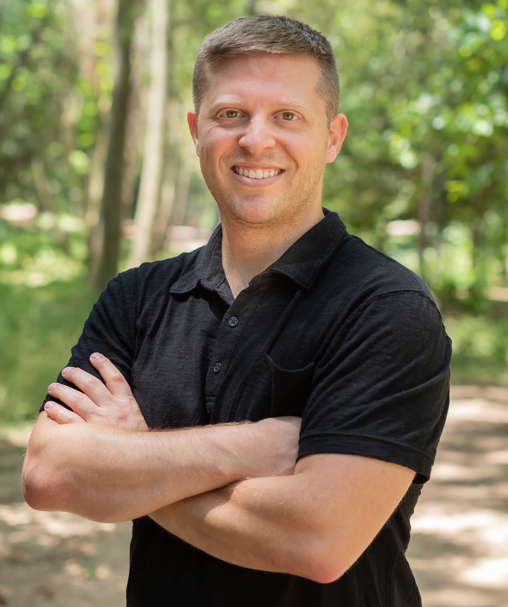
Jeremy Barr
Venture Capitalist and CEO, Super Founders Global Network
Chapters
Full Transcript
Jeremy Barr: I call it discovery phase in your life. So you can go travel places, you can go, you can go, um, have fun with different people. You can go play with different, uh, let's say products, whatever, right? You, you, however you wanna do your discovery phase. Try lots of different things in life. Feel where you feel really, really strong emotions and really, really negative emotions and don't really go towards the things that are just like, eh, I feel average about it. You want to have really, really strong emotions towards things that are really, really negative in a discovery phase. This is just human growth in general, is you want to always go through discovery phase in life, then settle on something you feel really, really, really strong for. And then that can be, this is what I wanna do. Whether it was, you know, I saw people of my gender or race or of this, uh, attribute or whatever that, that, um, wasn't treated well in the world. And now I, I have this cause that I want to go towards. These are some that I've heard. Um, you want to choose something you really feel really, really, really strong for. And it could be, you know, towards you or towards, or towards people like you or, or whatever.
Sean Weisbrot: What is something about the psychology of founders that people who are new to doing entrepreneurship need to know something that will help them be successful?
Jeremy Barr: A lot of founders are leaving their nine to five for freedom. I. Uh, from a boss, from a, from a, from a corporate environment, et cetera, and they're not realizing the amount of resilience that they need in, in being a founder and, and to, to have that amount of resilience. They're not realizing. How clear they must be on their life. Like, I want this in like say five years and I'm going to run this company hard for the next five years. Um, your resilience comes from your, what I would say your is your quantified must have, why I must have this in life. And if you don't have a thing that you must have in life. You're not gonna have that resilience to, to deal with all that you have to deal with. And a lot of people are just coming up with, here's a cool idea, or I just wanted freedom for my job. Now I get to run this business. And it's not actually all fun and games in that sense. It's fun and games in the sense that if you have something really, really meaningful that you must have in this life that you almost practically must die for, like you're like, I'm willing to live for this. I'm willing to die for this. That is what's gonna give you that resilience to go forward. And a lot of people are not prepared for that.
Sean Weisbrot: So how can they. Do some sort of exercise that helps 'em become more clear on that before they take that leap.
Jeremy Barr: I call it discovery phase in your life. So you can go travel places, you can go, you can go, um, have fun with different people. You can go play with different, uh, let's say products, whatever, right? You, you, you, however you wanna do your discovery phase. Try lots of different things in life. Feel where you feel really, really strong emotions and really, really negative emotions and don't really go towards the things that are just like, eh, I feel average about it. You want to have really, really strong emotions towards things that are really, really negative in a discovery phase. This is just human growth in general, is you want to always go through discovery phase in life, then settle on something you feel really, really, really strong for. And then that can be, this is what I wanna do. Whether it was, you know, I saw people of my gender or race or of this, uh, attribute or whatever that, that, um, wasn't treated well in the world. And now I, I have this cause that I want to go towards. These are some that I've heard. Um, you want to choose something you really feel really, really, really strong for. And it could be, you know, towards you or towards, or towards people like you or, or whatever.
Sean Weisbrot: Well, I guess the. Question was more designed around helping them understand the clarity around the resilience and, and things like that. 'cause you're saying that they need to be resilient. They need to know what they want. So obviously they have to play around and do things. I, I agree. Travel is a really great way to help you figure out what you like and don't like about yourself. Um. But what are some exercises they can do that will help them to figure out where their weaknesses are in, in ways that would, would potentially prevent them from being successful?
Jeremy Barr: So, so, I mean, a lot of people think, uh, as far as resilience, a lot of people think they, they can just go, you know, I, I don't know, do something like, go to the gym, like whatever, build up resilience. Like, like try harder. You know, that that's not what's gonna build up resilience. Resilience has kind of come from. The clarity of what you want in your life. And that clarity comes from discovery phase. So I'm specifically talking about it in order. People have to go through discovery phase to get clarity, to get resilience, um, not these other mechanics that they think will get them resilience. And then as far as you, you stating like, how are people gonna find out what they don't know? In a sense, I. Um, that's gonna be through, that's why I do mentoring. They're gonna have to find mentors, find coaches, find advisors, find people who have done it before and ask them questions because that's the only way you're gonna find out. You don't know what you don't know. The other way would be through failing a lot. Um, and yes, there is the AB testing science to failure, but it's gonna be a lot. And you wanna do that a lot, uh, 10 times a day fail if you can, but you do really wanna go find those mentors or just other people that you can, um, ask that have done it before.
Sean Weisbrot: I've found that looking for mentors. Never works. That almost the success I've had is that they've kind of come to me and said, Hey, like I want to teach you something. Uh, for example, the other day I was playing ping pong, which is one of those things that I found I absolutely love. I I've discovered it in China, and, uh, my ex-girlfriend taught me and she kicked my ass every time we played. So it was really fun for me to be like, oh, I've gotta get better than her. And, um. So I was playing yesterday, or I was playing a few days ago and I did a doubles game. So it was two people versus two people got absolutely destroyed by the other team. And one of the guys decided to stay back with me after, 'cause it was like a two hour, uh, like you go there and you play for two hours with the people that are there and for the last half an hour he's like, I noticed that you're not really using your backhand. And I was like, yeah, I. I don't know how, and he is like, can I teach you? And I was like, sure. I'm used to only using one way. I am literally not using half of my, my skillset. You know, or, or, I don't know exactly how you would determine that in terms of percentages, but I was not using the full ability that I could. Um. And so we spent 30 minutes and he just sat there doing drills with me, teaching me how to get more comfortable with it. And that was really awesome. I really appreciated it. And you know, the next day I was back doing ping pong again, and people instantly noticed that I was a lot better. And it was just because I felt a little bit more comfortable trying to do something that I just didn't know, uh, how to do before. And I didn't know how to get better at until someone took the time to teach me. So, um. What's something that, that someone can do that would make themselves stand out as being worthy of someone who could mentor them to go, Hey, let me do this. Rather than trying to look for people and go, Hey, can you mentor me? And they're like, I don't have time for you. Go away.
Jeremy Barr: Yeah. Um, I look for seed traits in people. Um, so every, every, everybody who's, who's, um, not quite at the skill that they want to be in something yet, uh, could use mentoring, coaching, advising, um, but to, yeah, to, to where you're not like brushed off. Um, if, if, if there's a, if there's a fee, you, you know, you have to pay a fee or the percentage of your company or whatever. Um, but uh, aside from that, it's, it's seat trades, right? Like. The last thing a mentor wants to do is not see that person grow. And so looking for the seed traits of somebody who's like listening, who's got grit, who's got that resilience? Um, there's, I'm coaching on 300 calls a month. CEOs all around the world, and there are some people in the more beginner stages that are pre-revenue and other ones that are at 20 million or 50 million in revenue. And you can see the people that are week over week. I give everybody action items week over week at the end of a call. Action item here. Get this done by next week. The high performers get it done by next week. They get like five or eight things done, I can usually give them a lot more actions versus, uh, a more beginner person or somebody who is not as absorbent, will take three or four weeks to get one thing done. They're distracted a lot. They have that lack of focus. They've already heard what they need to do and they're not getting it done right? So seed traits of, they have that resilience. They can get things done quickly. They have a bias towards action. They'd listen really, really well. These are seed traits that I would look for, that I think I know mentor's gonna look for. 'cause we want to see you grow.
Sean Weisbrot: How can you identify that in someone that maybe you don't really know very well, or that you don't really have much opportunity to see an action like that?
Jeremy Barr: Yep. So, um, for me, for example, because I've done 920 calls in the last 90 days, I do 10, 10 to 13 calls a day, uh, eight countries a day. Um, I have, I have developed my way of reading, eye movement, body language, tone of voice, and micro expressions. Millimeter by millimeter. Millisecond by millisecond. And so you can see, for example, when you get on the call with somebody, somebody who's really excited about their product or service, they're talking about it. They're looking all around, they're thinking, right? Versus somebody who's also been on the calls a lot and who's really good with people. You understand that everybody is different. Cultures, countries, age groups, education levels, everything, all these different differences. And so when you get on a call, an intro call with somebody and you know that there's differences, you know, the first thing you need to be doing is listening. And so I call, one of the things I'll look for is listening eyes. As soon as they get on the call, I. They have listening eyes. They're not pitching you their idea or, or doing anything else. They're asking questions. They have listening eyes, and when they're talking, they're watching your microaggression. And when they're, they're always listening in, uh, in some sort of form. And so you can start to see these things. And then you can also see things like brain processing speed. If I were either, they might talk fast is one way, but not everybody does that. My co-founder doesn't talk fast, but she processes fast. The other way of telling brain speed, um, or, or information that they already know that they should know, right, is if I give them a dense topic over three sentences, I say this, this, this, this, this, this. I give it to them and I see them process it within a second or two. Then they respond, you know, that they have already processed that topic before that they should have, or they process it really quickly versus some people will look up and around, they're thinking about it the first for, for the first time. And if I'm hiring somebody, or if I'm looking to invest in somebody and I'm talking about a topic that they should already know about, and now it looks like they're thinking about it for the first time, you're already like, okay, well you're not where you should be. There's, there's a ton of things that you can tell in the first 60 seconds of a call. About somebody. And it's very, very predictive. It's not, it's not a guessing game. It is very much like you should have known that you shouldn't be thinking about that for the first time, or you should have listening eyes and, and, and, you know, aside from like eye movement differences, but cross culture. 'cause again, I'm talking to eight different countries a day. You, you still are gonna have, you still at a, at a millimeter level, you're still gonna pick up on these things. Um, if you've done like 920 calls in the last 90 days. So.
Sean Weisbrot: Is it unfair to assess or judge someone based on whether you think they should know something or not already, rather than pay attention for their coachability? Because I feel like a lot of the people I work with are younger and don't really have so much experience in entrepreneurship. And so, for example, I was doing a call with, uh, one of the companies I'm advising right now, and we are trying to go through copy for their website because we're trying to launch the website so we can launch the service and. They had an idea for the layout of the website and, and kind of how it would look and feel, and I disagreed with that and they didn't instantly get it. So I had to explain once or twice to them why my idea was different than theirs and, and probably better because, you know, we wanted we're, we have a double sided. System where we're, we're targeting companies and we're targeting employees. And so we wanted to make sure that we filtered through them very quickly to know who are you so we can tell you more information better. And they wanted a full landing page. And I was like, no, you just want to get it split really, really fast. Which one are you doing? And once I explained it to them once or twice, they're like, yeah, okay, we get it. Let's do that. But you know, it wasn't something that they understood until I spent some time to explain it. So I feel like sometimes we have to be calmer and more patient, uh, with. With people. At least that's what I've learned so far.
Jeremy Barr: Yes, ab absolutely. Um, so for beginners, like I'm not expecting them to know a lot. That's just, uh, I'm just explaining the mechanism that I would do. Um, but it's gonna be more maybe beginner topics or just communication topics or something for somebody else. But yeah, there is gonna be, um, explaining and coaching somebody up. And that's why we look for seed traits, which is an earlier form of like, say advanced topics, et cetera. But the mechanism, uh, you can still do the mechanism of like, should they know this? Like, but you can choose a, a more beginner kind of knowledge thing because at the end of the day, you still don't want, even if you're trying to grow somebody. For them to have 300 things that are gonna take them a year for you to teach them through when you need them. You know, productive or investible in 60 days or 90 days. So you still kind of just, you weigh that out. It's, it, it's a lot of variables all relative together. None, none of them are taken in absolute.
Sean Weisbrot: Yeah, I've been thinking about that as well. Just the sheer amount of information that someone who's a first time founder needs to know. Based on my own lack of understanding when I was younger and had this experience. And so I've started putting together a series of documents that helped me to do audits with them so that I can see, do you know this? Have you thought about this? If not, let's do it together so that you can learn, you can teach your team, you can apply it now and in the future. These are things that I wish I knew when I was, you know, either your age or in your situation. And, um, it makes it easier for me to take on new people because I know that I. And basically able to replicate the, the education of that thing to them. Um, do you have anything like that, that you use
Jeremy Barr: as far as giving them some beginner things that like Yeah, that, that I didn't, I mean, even in the, in the way beginning when I wasn't thinking about funnels, right. Like even just to tell people, do a basic three step funnel, don't overcomplicate it. Um, there's a traffic capture area, there's your landing page and there's your checkout, and that means. Even without a webpage being your standard landing page, your LinkedIn bio is your landing page that you can start with. Like, so, so some people they don't even realize yet. You already have a funnel. Your traffic capture is the feed, your landing page is your bio, and your checkout is your dms, where you can send 'em a payment link or, or actually just book a call, right? So understanding your, their three basic steps, then that applies to retail and that applies to billboards, and that applies to, um, everything, right? So when you generalize that, and then you have your conversion rates, right? Understanding that CTR rates are like between 0.7 and 1.7 at scale, if you've done $60 million revenue. Like the companies I've done, um, you know that at scale there's certain CTR rates and there's gonna be roughly 1% for the world, right? So, you know, 99% of people are ignoring ads in the world, which kind of transposes to when you're. Approaching interview, um, uh, investors, um, and, and any sort of new thing in general is that you're supposed to have like a 99% failure rate. And so this concept of volume going in, getting volume when you're a founder or when you're learning anything new going in, getting volume is something that is essential. And a lot of people, they stop too early. So funnels. Volume resilience, listening is probably the number one trait I'm always looking for because it applies to pretty much everything for you to become like a gravity ball, which is my investible thesis. Um, is that gravity ball, your ability to communicate to and relate to a wide variety of people pulling in investors, partners, customers, and employees. So,
Sean Weisbrot: so if you want someone to be successful beyond resilience, beyond this gravity ball, uh, method, all of these things, what are some things that founders can be doing to. Let's say attract potential partners, attract potential, uh, clients, attract potential co-founders, employees, et cetera. Some traits or some thoughts or some processes that, that you might have for them to use.
Jeremy Barr: I would say it like this. So if you take a company at $1 million and you have them grow 6% month over month for the seven year median to IPO time, you get $133 million. It's a very simplistic way of looking at growth. If you improve, if any human improves their communication by 2% every day, they can have anything they want in life. So if any, if anybody had to just do one thing in their life for their entirety of the rest of their life, all they'd have to do is improve their communication by 2% a day. That's all I would say. And to be get better at communication means to fail because if you wanna get better at anything, all you gotta do is fail. So if any person wants to get better at anything in life, all they have to do is go fail at communication roughly 10 times a day so that they can get the learnings from those failures and they get the 2% better. That's all they need to do for the rest of their life because it will transfer. We, as soon as you get good at communication, you now can talk to investors and partners and co-founders and employees and you can sell, which is important for getting traction for investment and for growing your company. It's all comes down to communication.
Sean Weisbrot: So are there specific ways that I. They can work on the communication. Is there a specific goal they should have or should they just go up to strangers and go, Hey, how's it going? My name's X you know, what's your name? Just like try to start conversations, uh, with no goal or what?
Jeremy Barr: Yep. So the, the most general goal, everybody's gonna have a different thing, right? If you just walk up to somebody down the street, which you could totally do, you could just have the goal of like, can I make this conversation last longer? So the two general goals, because I went from like super nerd to super social, I couldn't say more than a sentence to people. And then I had to build out a conversation algorithm. 'cause I was a programmer before. Built out a conversation algorithm and then I learned how to become social. And so I actually used this algorithm, uh, for months, um, going from like zero friends to like 300, and I was hanging out like. It was like 200 people a month. And so this is what I did was I had the, I started with the two general goals of one, can you make a conversation last longer? So I had to practice, how do I make it last a minute, five minutes, an hour? And then I got all the, all the way up to 36 hours. And then from that I was like, okay, why are we talking? Let's, let's talk, talk about a human algorithm. Why are people ambitious? Why do people like travel like this? That, right, so you have the one general grading metric. Uh, 'cause you need a grading metric to get better you. The grading metric generalized is one conversation duration. Two conversation. Um, follow up if they want to talk to you a second time, that's an extremely good sign. So if you had a first meeting and they want a second meeting, great. Um, so those are the two generalized ones. Now, beyond those, and those are gonna get you really, really, really far, um, beyond those, you'll then want to learn that specific person through that first conversation and understand Okay. Or even in the first few seconds to understand the next sentence, the next sentence, um, to understand they like to talk about this. Right?
Sean Weisbrot: I never really thought it through like that. I, I guess I always tried to learn as much as I could about the world and through that found. That I could start to understand the people that I came across in the world based on that. So, for example, if, you know, I spent seven years studying German, I can, I, I used to be fluent in German before I forgot how to speak it 'cause I ended up in China and, and didn't use it anymore. But I also went to Germany and I went to Austria. And so when I met Germans or Austrians, I would be able to, oh, okay, you're from Germany, right? I was in Germany. I did this. So like I, through my experiences and through my interest in learning, I have learned enough about enough of the world so that I could pretty much talk to anyone about anything in a way that they feel I can relate to them, which makes them wanna engage. So I, I didn't really think about how can I make the conversation last longer? Uh, or, or anything, just like how can I enjoy myself and learn about other people and learn about their world and the way they think and why they think that way and how they feel. And, um, so like I was having a conversation with a Brazilian friend that I recently met, uh, a Brazilian woman who lives in Portugal, and we bonded over video games and then, uh, salsa dancing, Bata dancing. And we've been talking about like, uh. Dating and relationship differences between Brazilians and Americans and just since we both live in Portugal, kind of Portuguese as well, and I had said something that kind of like hit her in the wrong way, but she understood that I wasn't trying to be rude is a, a lack of my understanding of Brazilian culture. I had said, uh, that she was speaking Brazilian, and she's like, no, you can't say that. You know, we speak Portuguese. Like, and she, she went into this explanation, uh, for like 10, 15, 20 minutes about the history of the language and how Brazilian, Portuguese is actually more similar to ancient Portuguese. And if you're in Portugal, the Portuguese there is actually become a, a, a version of the language that's. Very different. So actually Brazilian is like the right one. So, but that the Portuguese will say that they're speaking Brazilian as a way to put them down. And so she like tried to explain this stuff and it was really cool because I didn't expect to learn that from her, but I also didn't know. And so my, this thing that I thought was wrong, but I didn't realize it was wrong, which is why I said it. And I was able to learn something really cool from her because of it. And that improved our relationship as a result. Um. So I feel like the more you are curious, the more you're able to, uh, extend the duration of a, of a conversation and make people wanna talk to you more. And then you learn more. And so the next time you talk to someone who might be from Brazil, you can go, oh, by the way, I learned this thing. And you be like, oh, that's really cool. Yeah. Like, I love it. You know that.
Jeremy Barr: Absolutely. Yeah, I agree. I think there's, uh, multiple mechanisms and me in my nerd state, like I didn't think about things like curiosity. I was just like, I, I thought straight numbers and I think curiosity is, is a great way.
Sean Weisbrot: Hey, just gimme 10 seconds of your time. I really appreciate you listening to the episode so far and I hope you're loving it. And if you are. I would love to ask you to subscribe to the channel because what we do is a lot of work and every week we bring you a new guest and a new story. And what we do requires so much love so that we can bring you something amazing. And every week we're trying really hard to get better guests that have better stories and improve our ability to tell their stories. So your subscription lets the algorithm know that what we're doing is fantastic and. No commitment. It's free to do. And if you don't like what we're doing later on, you can always unsubscribe. And either way, we would love a, like if you don't feel like subscribing at this time. Thank you very much and we'll take you back to the show now. What are some things that will enable a founder to tolerate doing this thing day in and day out for years on end?
Jeremy Barr: It'll be that clarity and alignment. Um, a lot of people haven't, this is, this is the main problem for a lot of founders is they haven't found that clarity and alignment of what they really, really wanna do, because burnout is not a function of time and energy like a lot of people think you can go 24 7. I go 24 7, i, I, I sleep roughly between 12:00 AM CST and 4:00 AM CST. I'm up right now and it's, I woke up at like 5:30 AM this morning and we're on this call, right? So it's like I'm talking to a bunch of different countries every day. I spend a lot of time and energy and all I do is this. I just read books, get on calls, um, and I don't do anything else. People ask like, what am I doing on the weekend? Right? It's burnout is not a function of time and energy input. Um, and that's not just me. A lot of, a lot of it is a lot of founder world, right? You can be, you, you, you're able to be, um, in this 24 7 ish sense, uh, because work becomes life, work life balance is a nine to five mindset. And I don't say that in a bad way. I just say it's a context way. Um, work becomes life. In an enjoyable way when you choose not just a product, that is a cool idea. A lot of people come and say, Hey, I have this cool idea. Can you invest in it? And I, I tell them like, what do you really, really wanna do? Like what were the emotional points in your life? How did you use that to create the product or service that you wanna do now? Because that's what you're gonna need is that emotional energy to create that you actually wanna do this, um, all the time and you're emotionally engaged in it and not just like, oh, this is cool blockchain, this is cool ai. Like that's not gonna work. Um, it's only gonna work if those things are tools to help you with the human emotional thing. Because at the end of the, at the end of the day, we start with human desires and end with human impact. Everything in between is companies and technology.
Sean Weisbrot: Can you expand on that?
Jeremy Barr: So a lot of people wanna dive, a lot of people wanna dive into AI or blockchain or how to run the best company. Um, and they, and they get lost in thinking that that is the thing. I have to make a successful company. I have to make this best ai, I have to make this best blockchain, whatever. Um, but ultimately. We start with a human desire of I want to solve cancer. Um, or, um, and I use that example, my mom passed with cancer. I wanna solve cancer, or I wanna solve more hunger, or I wanna make it, uh, if I'm making cars, I wanna make it easier for somebody to get from point A to point B. It starts with a human desire. And then it ends with that human desire met. So cancer is solved, people are not starving anymore. Um, and somebody was able to get from point A to point B, however they got from point A to B. Could have been a Elon Musk rocket ship. It could have been an airplane, it could have been a bicycle, it could have been a car. Don't make it about the technology or the company. Just be focused on the humans. And when you're focused on the humans, then you're also really, really listening to customers. Because listening is that number one thing to pull in. Investors, customers, partners, and employees. You're gonna be able to listen to that customer really well because you understand this is all about humans and then you're gonna make a great technology, um, or product.
Sean Weisbrot: What are some of the best companies that you have seen based on that metric?
Jeremy Barr: I think, I think I would say any, any of the companies that, um, you see Go and IPO or even continue on after IPO, not just die out, right? Like any of these companies that are really successful is only coming from making that customer really happy. That's what's causing the sales to keep going. That's what's causing the investment to keep going is. Customers being happy. And so if you're making those customers happy, that's probably because you're doing pretty good customer listening. Um, it's, it's, it's pretty hard to get retention. I've seen some above $50 million companies that, that have like 60 days of retention on their product when they should have, you know, months. Um, and that's not, uh, investible and that's not repeatable. Um. So you can actually get really, really mo good momentum. It's, it's crazy how if you get really good at media buying and sales pages, you can actually get over 50 million and, and you're in the top 6% of companies and, uh, and you still don't have repeatability or investability. Um, and those companies struggle to get investment because investment looks over, over multiple years. Um, it's how multiples are looked at. So, um. You know, if you've been successful for say, five years, eight years, and not just on a private market, but you know, you're continuing to make sales and continuing with like say a 6% month over month growth, or if you're SaaS tend to tend to 10 to 15% month over month growth. Um, this multiple, um, consistent month over month growth is gonna be a signal. You're listen to customers and, and, and that means you started with a human desire and you're meeting that human desire consistently.
Sean Weisbrot: I've spoken to a number of founders who've raised from venture capitalists. And they're generally extremely stressed. I've also spoken to a, a number of people that have bootstrapped their business to profit year over year and are quite happy with their life. Why is it that going public is a measure of success? In, in American society,
Jeremy Barr: I think, uh, and I'm, I'm a VC and I don't recommend a lot of people go vc. I do recommend people go bootstrap, or if you're not gonna bootstrap and you want a little bit of money, go Angel. I think, I think vc, um, is, I mean that, that mandate just comes from LPs and so it mandates a, a fast speed of growth. Um, and, and that's preparing people for the IPO market because that's how you're gonna get an exit. That's how you're gonna get returns. So. Whether, you know, there, there, so there's two mechanisms, uh, that, that causes people to shoot towards. IPO one is sourced from an LP simply wanting to make more than an l uh, SP 500 or whatever. And so they go give their money to VCs like me, and then, and then we have to go and accelerate it, right? Just to provide that LP return, that's the source. Um, and then because we need an exit for that, we, we push it out to IPO, right? So that's, that's one thing that pushes people towards IPO even if there weren't LPs. And VCs, what's another thing that pushes people towards IPO. I mean, the exit is obviously gonna give, um, a founder or anyone who holds the equity, um, uh, uh, a payout, right? Um, and humans to a degree and, and ideally wouldn't be, and maybe more so Americans potentially, um, status driven. And the more publicity you get, the more status you get, the more, um, it helps, um, fulfill that pursuit of, of status. Uh, even though I don't prefer it, it does, it does, um, seem to drive a lot of people.
Sean Weisbrot: I feel like the idea of going public or the idea of, I guess, rather taking venture capitalist money goes against the idea of starting with the human side of a business because oftentimes, and maybe COVID didn't, and maybe the current global economy is changing the way founders and investors think, I hope it does, but generally I feel like this. This path causes business owners to focus on their valuation and how much money they've raised as a measure of success rather than focusing on how they can serve customers. Because when you're. Trying to deal with investors like that and raise money. You don't have time to focus on your product and your customers and what they want. You instead thinking about what the investors want and what they perceive of the market. And if they perceive that you're not valuable, then they won't give you money and then you don't feel successful because your valuation isn't increasing, even if you're very successful with your customers. And the VC just doesn't understand that market or that idea or, or those customers. Um, so how do you reconcile that? Uh, disconnect between the, the founder's goal of dealing with, uh, customers and serving them and changing their lives and the investor's goal of, of serving the lp.
Jeremy Barr: Yep. So in theory, and, and the, the answer is gonna be in the nuances and the application world, but in theory, if a company is making impact with customers and you give it more money in the deliverable sales process, which is what every investor's looking for, is the deliverable sales and lable product, um, you accelerate customer impact in theory. The problem is in application when you're given money too early, before you maybe got your product market fit, um, or, or other key customer listening metrics, um, you are then trying to accelerate. Because once you give the money, it's a timer. You have to get a return on that money from a c from a pre-seed to a c from a seed to series A to series B, all the way up to IP. Right? So you're, you're, you're then on a timer once that money starts. So, so how do you reconcile some of it is. Choosing when to give that money better. And a lot of that is not, um, chosen, right? So choosing when to give that money and put that timer on is, is when they've reached certain customer metrics. And when you think that that particular customer company with those particular margins can within say the 18 month average, um, funding round to funding round window can achieve the next metrics of success. There are some companies, uh, with margins that cannot achieve it within the 18 months. Is one problem, and there are some companies that get the money ti the timer money essentially is what I'll call it, um, too early. Um, or, or their, or their products. Never, never work. Done well for it. So you can actually run like a, a bit of a math formula on this to figure out when it's right or wrong. Um, and in, in a lot of cases it's wrong, which is what I think you're probably picking up on. And, and what also causes a lot of that wrong distribution in the beginning is investors doing this, um, power law investing, which I do not prefer. Um, I don't think that, I think you can actually understand companies at a seed level and, and founders at a seed trait level and understand do they have the communication, do they have listening? Do you have the, all these things that are gonna make them successful. Um, as opposed to a lot of investors will do this power law investing because they think I. Investing in a founder is more of an art than a science, and I believe it's more of a science. They think it's more of an art, and so they do this power law investing where they expect a third of the portfolio to fail, a third to do average, and a third draw out, perform on the fund. If you ask for nine x returns from all of them, then you get an LP return of three x and then they just round it up to say, 10 x and the 10 x to a hundred X is what you hear in the news all the time.
Sean Weisbrot: Yeah, I haven't heard of it. I haven't heard it be called that, uh, the power law, but I have heard some of those ideas that you just assume most of the companies are gonna fail. And I feel like that's just bad, like money management being kind of swept under the, the rug. Um, so that's why I, I like to do angel investing because I am going to do everything I can to understand the math and or the art and the science of it. So that I know that the people I give money to, they're responsible to me, not some faceless lp. And I can help them to the best of my ability and what I can't help with, I can't help with. And so I, I try to do what's best for them. I'll push them, but sometimes I'll give them, you know, lead way and, um, I just try to focus on making sure that I am not throwing money away, basically, if I can.
Jeremy Barr: Absolutely. Yeah, I agree with that.
Sean Weisbrot: So do you think COVID and the current climate. Are changing the way businesses and investors think, or no,
Jeremy Barr: not in, not in the fundamental way that we've been talking about and that needs to be done. No, I think there has been changes, but it's only been for, for financial changes. I don't think they've actually made, I don't think there's been actual changes that that need to be made, like the ones we're talking about. No.
Sean Weisbrot: So can you expand on the changes you're referring to related to finance?
Jeremy Barr: I mean, so, so looking at a, looking at a work from home, um, people are more, uh, okay with people working from home, um, that changes the office exchange. Ensure that hits the p and l, um, people, uh. There was demand pulled forward in some of the companies I was dealing with, um, which then caused, uh, after COVID, uh, those sales to drop off. Um, because you pulled forward demand from several years from the customer base, um, for any sort of businesses that were selling things that were conducive to in-home life. Um, and, and I had some of those companies, um. Then other ones that had pushed out demand that were only gonna be working for out. And then, you know, you had that, um, hit after COVID. Right. So they only adjusted, uh, in those terms, not in, in like, say the parallel or the human investing kind of things that we were talking about. That's actually like a, a rigorous change that needs to be made. So
Sean Weisbrot: why do you think that change isn't occurring? I feel like COVID changed the world significantly otherwise. Um,
Jeremy Barr: because, because when, when so much of like the top VC and people with like a lot of money essentially, uh, all agree that, you know, there's no science in founders. Um, and, and you have to do this power law and, and they all use the term power law, right? Um. You know, you have to do this power law because, because you can't actually pick them very, very well. And everybody will say they invest in, in people and they, they dive into it, but they don't really dive into it that, that well. Um, so because everybody's agreeing, because everybody with large amounts of money is agreeing that you, you can't dive into it as a science. Um, and, and, and as we done as an art, that's gonna continue until someone and I look to be one of those someones, until someone comes in with a science. Dives in, finds all the right rigorous founders, um, and then actually puts out the returns, uh, round over, round and out to IPO, um, until somebody goes out there and, and proves it reliably. Um, it's not gonna change.
Sean Weisbrot: Is there anything we haven't really touched upon that you feel is really important you'd like to mention?
Jeremy Barr: I think just within the communication part, if somebody improves their communication 2% every day, that that's gonna unlock everything for them. Within communication is the subset of listening within. Listening is not just listening to words, but I move it. Body language, tone, voice and micro expressions. 95% of communication is done there. Um, and, and for people to understand that most of the world unfortunately runs on insecurities and to be able to, you know, not talk over people, um, not trigger on different people's insecurities, not, you know, you know, you can, you can see, um, when people get triggered, when, you know, if you display power in a conversation and you're just happening to happen. Happening to say, uh, your background, right? Um, and it can trigger somebody who's, uh, maybe not so secure in themselves, right? And then you, you lose the deal just because of that alone. Like to be able to understand that most of the world is running on insecurities, unfortunately, and to not trigger them and to be kind and to be compassionate, um, and to help other people. Um. It's really important and, and to, you know, be able to monitor how, how you're touching on them or helping them or whatever, through micro expressions, where 95% of communication is, um, is the single biggest unlock is to just learn to read eye movement, body language tone, voice and micro expressions across all different cultures, countries, age groups, educational levels, everything, because everybody's different. Being able to understand, uh, setting a baseline with somebody in the first 60 seconds, five minutes, and then what, what does it look like over the next? That way you're not compared to necessarily to everyone else, um, but you understand that person and then you match it up with the words that they're saying. This will have a cascading effect to absolutely everything you do from managing your teams, of teams of people to selling to investors, to your personal relationships, everything. And if people just focus on that and practice on, on, on reading the nonverbals, that's gonna improve their life.
Sean Weisbrot: So I wanna mention real fast, there's a YouTube channel that I really like, and I actually did their course as well. The YouTube channel is called Charisma on Command. They do a really good job of breaking down the psychology of different human interactions and how you can better understand yourself and how other people perceive you and how other people perceive themselves so that you can have better relationships with them. So if you don't know of that YouTube channel, you should definitely check it out. I'm gonna link it in the, uh, description here. So, uh, Jeremy, we've talked about a lot of different things. Let's try to sum it up if we can. What's the most important thing you feel you've learned in life so far?
Jeremy Barr: Most important thing in my life so far would be actually just that, that, uh, that last item we talked on. Um, it's a, it's a mixture of, you know, listening, listening, uh, watching those, those micro rik expressions, but doing it for the purpose of adding value to that person and, and making a better world, um, when you focus on others. That's what, that's what listening and, and paying attention to those microaggressions is doing is, is having a focus on others. When you have a focus on yourself, I need to remove my insecurities. Oh, I don't have enough money. I need to make more money. I don't have a fit body. I need to get a more fit body. All these, all these common insecurities, right? Status, money and and fitness are essentially like your, your top three. Um, that, that most people are going through as far as insecurities, right? And so, so most people are going through life. With their self audio, as I'll call it on high. And that is how they are now receiving and perceiving other people. And this is causing the issues versus if they can turn their self audio down, listen to others through words, tone of voice, I all the, all the nonverbals, everything. Add value to others, be more kind and compassionate, be more one with the rest of the world, and let's build together. And teamwork instead of competitive or built around insecurities, that's. Going to be. That's, that's, that's my number one focus every day and my number one learning.