Your Anxiety Is Pointing You in the Right Direction
Your Anxiety Is Pointing You in the Right Direction. In this interview, multi-seven-figure entrepreneur Ray Blakney shares his powerful philosophy that stress and anxiety are the best guideposts for growth. He argues that the things that make you scared are the exact things you need to do, and that anxiety is simply pointing you in the direction of necessary change. Ray opens up about his own entrepreneurial journey, including a business failure that led to severe insomnia (just 2 hours of sleep for 14 days), how cognitive behavioral therapy saved him, and why admitting failure to his peers was the hardest part. He explains why he believes skydiving is the perfect metaphor for entrepreneurship, why his 5-figure/month coach was a waste of money, and how he transitioned from hustle to systems on his path from 7 to 8 figures. This conversation offers both practical advice and emotional reassurance for entrepreneurs navigating the psychological challenges of building a business.
Guest
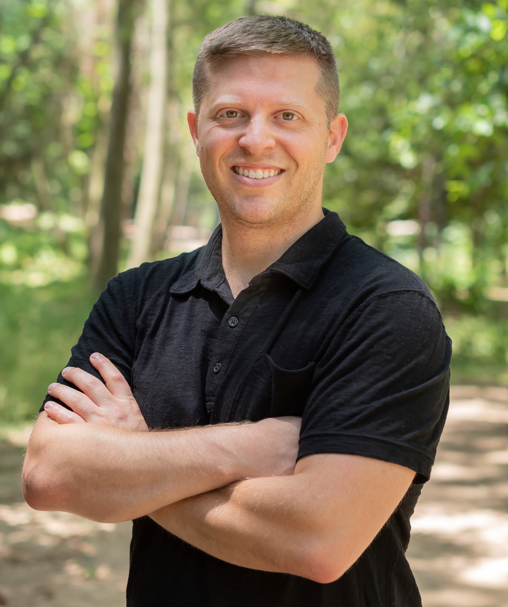
Ray Blakney
CEO & Co-founder, Live Lingua
Chapters
Full Transcript
Sean Weisbrot: I tried to scream, but I couldn't breathe because the air was rushing so fast past me. I was like, am I supposed to breathe outta my nose, outta my mouth? Like this? Just, it doesn't feel like it's working very well. And then my, my, I felt my arms were numb. Like when I got to the ground, I just slumped to the ground and like everything was totally numb. And, and, um, with pin, uh, pins and needles and they ran over and gave me sugar and water and I laid on the ground with my feet up for like half an hour. And if
Ray Blakney: you do something that causes anxie you anxiety and stress. And quote unquote, survive it. It's a guaranteed sign that you've grown as a person. Guaranteed. There's almost no other thing in life that points us in the right direction as much as anxiety and stress. If like you don't wanna do something 'cause it makes you anxious, makes you scared, and you do it anyway, you're a better, you're a different person. I'm not gonna say better because, you know, I'd be anxious about taking crack cocaine. I probably would not be a better person after having done so. But you know. You will have grown in one way or another. 'cause you've overcome your fear, your anxiety, you don't let it control you. You've actually gone and done something despite it.
Sean Weisbrot: So this is an interview with Ray Blackney. I think I said it right again, Blake.
Ray Blakney: It's, I told you we've legally looked into getting it changed because, so everybody pronounces it wrong. Like, you know, we, my grandfather looked at illegally put adding an E to it and nobody, because nobody pronounces it. So I had an illiterate ancestor right, who came over on the boat from Ireland and didn't know how to spell, so they put it down wrong. Uh, and ever since it's been plaguing my family, but apparently changing your name is so difficult in the US that my, they, they gave up on it. They're like, nah, it's not even worth the trouble of, you know, changing every single document you ever had. It is a pain in the butt, so we never got around to it.
Sean Weisbrot: Fair enough. So Ray, why don't we begin by you just quickly mentioning again what your business is, or in your case, you have a few, what your businesses are, and if you don't mind saying how much they earn on average per year, or you could say collectively between the the two or three of them.
Ray Blakney: Yeah, yeah. So my main business is, my main businesses are live ua.com, which is an online language school. I have podcast hawk.com. It's a SaaS product that helps you get booked on podcasts on autopilot. I would say those are the two primary ones. Um, I have plenty of other smaller projects on the sides, and we are, yeah, kind of eking into the multi seven figure range here. So that's combined between all of
Sean Weisbrot: them. All right, sounds good. So of the businesses you have, which one makes you the most excited?
Ray Blakney: I have, I have a DHD, and of course the newest oh, is the one that makes me most excited, right? The Shiny Object syndrome. Uh, right now I would say Podcast Hawk. I've been running Live Lingua now for 15 years, so, you know, shiny object, not quite so much. Um, but Podcast Hawk is my shiny object. I'm a computer engineer by training, but for some reason this was my first SaaS. Um, and we'll talk, I'm sure a little bit about it on this one, but I'm a computer programmer and so I thought, Hey, I'm gonna hire some programmers to write this for me, because I'm a computer programmer, I should be able to manage programmers, right? Yeah. It doesn't quite translate that easily. I, I am finding right, it's much easier when I build stuff myself. Um, but that's kind of the one that's the most exciting. Because as a SaaS, live Lingua is a product I service. So I, you know, if you, if I have a thousand people, students came in tomorrow, wanted to take Spanish or Chinese lessons with US Mandarin lessons, I would've to go and find enough teachers to account for them. 'cause I don't have a hundred teachers just sitting there waiting in case a thousand people sign up tomorrow. Right? With a SaaS product, that doesn't happen, right? Whether I could go, all I have to do is if 10,000 people signed up tomorrow, I might have to go into my digital ocean server. And drag a little bar and take the memory up and hit save just so that you know it can handle 10,000 more people on the website. That is all I would need to scale. I mean, I, you know, just a little drag and click and literally within a few seconds it would handle 10,000 more users. That's, you know, that's the beauty of SaaS. That's why SaaS sells for multipliers of 10 20 x if you can get it up to at least seven figure.
Sean Weisbrot: So what is your biggest fear?
Ray Blakney: Oh. That all my businesses fail and I have to go and get a job. And how long would you
Sean Weisbrot: say you've had that fear for?
Ray Blakney: Ever since my business has succeeded about 12 or 13 years ago because I found out I actually love being an entrepreneur. And my worst case scenario is having to go and work for somebody else. Like my skillset, I'm a computer programmer with 15, 20 years of experience. I have a 15 years of SEO experience. I'm pretty good at Facebook ads and Google ads. I can get a job, right? I mean, you know, some, especially in today's market where there are not enough computer programmers out there, like everybody's cra scrambling to find a good computer programmer. I could probably get a job in a week. Um, add on top of that, you know, being an entrepreneur, you have to have a certain level of self confidence. And on top of that, that I know how to run businesses. I know how to do marketing. I know how to do all that. You're not just getting a computer programmer with me. You'd be getting somebody who can, you know, take on a CTO role, take on even, you know, higher roles in your company, all for that. But I don't want that. So my worst case scenario is I have to go and get a six figure job.
Sean Weisbrot: So then how do you protect yourself from realizing that fear?
Ray Blakney: Okay, so this is, yeah, this is very, the timing for this interview is great because we actually, in live lingo, we had one of the biggest down swamps ever. We've had 15 years, about 60 days ago, right? So I've had to lay some people off recently to kind of keep us on survival level in order to kind of recover. Um, I consider myself a pretty calm person, but stress is part of being an entrepreneur. Uh, and I will admit, and I'll admit it openly here, because a lot of entrepreneurs were supposed, you know, when you see us on stage, when I speak on stage, you just hear about the successes, not necessarily the failures or the downturns. I went through two weeks where I was so stressed out and had so much anxiety, it gave me anxiety induced insomnia, and I only slept two hours a night for 14 days straight. Uh, don't recommend it. It's not a lot of fun. It took a lot for me to get out of it. You guys, you know, you're catching me actually kind of only one or two weeks out of it. And the getting out of it involved having to support my family and friends, um, talking to other business people as an entrepreneur, we'd kind of tend to fo when, especially when you was only sleep two hours a night. You trust me, you're only focusing on the problem, not on the solution. And that is not a good place to be at. Uh. Don't be afraid to ask for help was what I've learned out of this entire, out of that experience. I've been entrepreneur for 15 years and honestly, I've never actually had a major downturn in any business I've ever done. Like this is the first time in 15 years. I thought I was mentally prepared for it, but yeah, you're not, like your whole self image is tied up to these kind of, you know, the, oh yeah, my business is doing fine, my business is doing fine, and then suddenly it's not. And you have to reevaluate yourself. Um. That's, I think, the point where most people quit being an entrepreneur. Most people don't take 15 years to get there. Right? They do six me, six months, one year, two years, and their business fails and they're like, nah, okay, I'm gonna go back and get a job. Um, and that went through my mind during this period as well. I was like, huh, I have enough savings to buy a house in the, in the cabin, in the woods. Oh, you know, let's say, how about I just declare bankruptcy, take all my money and just go there and never have to worry. You know? I mean, it wasn't real rational thoughts, but it was just like, you know. Just to get out of that stressful situation. I'll add to all of that, that, look, I watch what I eat. I work out every single day. I do martial arts and I meditate. So it wasn't like I was coming from this place where like I did nothing to deal with stress and I had no tools to deal with it. But even then, there's gonna be a day on your entrepreneurship journey where you're gonna be hit by a frigging train. You know, you've been, you know, you could be hitting the, the gym every single day. You're not strong enough to push back against the train, right? It is just gonna run you over and, you know, speed you out. The other end becomes your decision, what you do. At that point, I told you I fantasized about running away to the cabin and like that, not having all the stress, but that's, I, that's not who I am, right? I'm like, you know, I love what I do. So after all of the anxiety, it's not totally gone away, but kind of came back down to a manageable level. I'm back. Um, I'm looking for ways to innovate. Can I turn the ship around on this business? Maybe not, but I have other, you know, I have podcast talk. I, I realized I had a website, learning style quiz.com where huh? A hundred thousand people have taken that quiz in the last 12 months. And I have never monetized it. Like I have no ads. I have, like, I don't ask for email addresses. I didn't do a thing and I only found that out because. To save money. I was like, all of us, we all have hundreds of domain names. Like one day we're gonna use this domain to launch a business. Right? So, um, yeah, I could see Sean smiling. So, you know, you we're all guilty of that, where we have like these domains that one day we're gonna use it. So I had a ton started doing that. Consolidating servers. I had like four or five servers and then I went, this was one of the sites. I'm like, oh, what should I keep this site? Like nobody uses it. And then I went to them, take a look. I'm like, wait, 120, 120,000 people actually in the last 12 months have taken this learning style quiz. Holy crap, you know? So I went in there, I'm like, okay, I'm keeping this and I'm figuring out a way to monetize. My point is I will have other options. I'll do something else. I'll figure out a way, get myself up from the ground up. I bootstrapped all my businesses when I didn't know what I was doing. I didn't have a network of entrepreneurs that I could reach out to for help. So now that I do have those things, and I vaguely know what I'm doing after 15 years of doing it, I think I can do it again, even though it would not be a fun, you know. I'd be taking out the trash again in my first business, which is what I did in my first business. I'd essentially have to go back to that and work my way up.
Sean Weisbrot: Well, thank you for sharing that. I'm sure that wasn't easy. Um, actually, I like sharing those
Ray Blakney: things because most people don't. And again, this is part of entrepreneurship, not not the glamorous part
Sean Weisbrot: of
Ray Blakney: entrepreneurship.
Sean Weisbrot: Exactly. And that's why I do this because I think entrepreneurs need to hear this stuff. Exactly, exactly. So I can say that. Uh, so I, two, two things have happened to me that have tested my resolve and have helped me to create a better, a higher bar for handling stress. The first one is having an investor is actually a, a really good way to test your resolve, because whether they realize it or not, they are very difficult to work with. Mm-hmm. And about two weeks ago, on July 22nd, 2022, I skydived. Ah, I've done that a few times. Yeah, I went into it. I, I've never done it before. I'm never gonna do it again. But I went into it with the mindset that if I don't die from this, then surely I can handle a hell of a lot more things than I've told myself in the past. I, I couldn't handle because of number one, having an investor.
Ray Blakney: Exactly
Sean Weisbrot: is, is like a main thing. Um, so I, I feel like the skydive was really cool because like I easily just said, okay, if I don't die from this, then this bar where I'm feeling a tremendous amount of stress and I'm having anxiety and not sleeping, that's gonna evaporate because now the bar is up here because skydiving is freaking scary.
Ray Blakney: I have a fear of heights too. So I, I could really, did you do tandem or static line?
Sean Weisbrot: Uh, what is that? Oh, a tandem. I've only done, you
Ray Blakney: had a professional strapped to your back or did you get out on a, the wing of a plane and let go? Kind of, there's the two options. Yeah,
Sean Weisbrot: yeah. No, I had a professional on me. Yeah. We jumped from 5,000 meters, which is about 16,500 feet. And I had another guy, so I like a guy. The, the instructor had a hand cam and then another guy came along with his own camera.
Ray Blakney: Yeah. Mm-hmm. Mm-hmm. Yeah. I didn't do that on my first one, but my wife just sky, skydived, sky, dove, whatever. Sky. Yeah, exactly. Um. Two months ago, for the first time, she's been wanting to do it her whole life, so we did it down in play. Dale Carmen, she loved it. She has no fear heights at all. Like for her, it was just all exciting. I've done it a few times, not too many, like two or three times, and even then my legs go numb, like you know, they say, now put your feet out so you can roll and arch your back. No, I can't feel my legs. I just pick 'em up with my arm and I kind of put 'em out the side of the plane and then I don't jump out. The pro jumps out, right? And you just happen to be attached to the professional. And I happen to go with them and I scream like a 5-year-old school girl on the entire way down. So that's, that's my, every single time's been my skydiving experience.
Sean Weisbrot: I tried to scream, but I couldn't breathe because the air was rushing so fast it cast me. I was like, am I supposed to breathe outta my nose, outta my mouth? Like this? Just, it doesn't feel like it's working very well. Yeah. And then my, my, I felt my arms were numb. Like when I got to the ground, I just slumped to the ground and like everything was totally numb and, and, um, with pin, uh, pins and needles and they ran over and gave me sugar and water and I laid on the ground with my feet up for like half an hour.
Ray Blakney: Okay. Yours is much more hardcore than mine. Yeah. I mean, none of that has happened to me. But, you know, one thing I will say, because we're talking about anxiety and stress today is. If you do something that causes anxie you anxiety and stress and quote unquote survive it, it's a guaranteed sign that you've grown as a person. Guaranteed. There's almost no other thing in life that points us in the right direction as much as anxiety and stress. If like you don't wanna do something 'cause it makes you anxious, makes you scared, and you do it anyway, you're a better, you're a different person. I'm not gonna say better because you know. I'd be anxious about taking crack cocaine. I probably would not be a better person after having done so. But you know, you will have grown in one way or another. 'cause you've overcome your fear, your anxiety, you don't let it control you. You've actually gone and done something despite it not be, you know, and most of us spend, most of us live aboriginal lives and the reason is, is most people build their lives about around avoiding anxiety and stress. That is kind of the guiding post in their life. There's anxiety and stress. I'm gonna avoid it. I'm gonna avoid it. A few. The most successful people. The most people, most people we admire, they actually go through the anxiety and stress, right? It's not like they don't have it, but they look at it and they're like, okay, I see you. I'm gonna kick your ass. And then they just keep it doing anyway, and they do it the next day and the next time they see the same anxiety and stress. It just doesn't, it doesn't cause any, or it doesn't cause as much. So they beat it up again and they beat it up again. And then they go to that, and then they try something else totally new. And if you build your life about around doing one thing every single day that causes you a little bit of anxiety and stress, you'd be shocked at who you are five, 10 years down the road, right? Because you have just kind of blown through barriers along the way.
Sean Weisbrot: So then what's something you do every day to stress yourself out?
Ray Blakney: I am an entrepreneur. I don't need to add any kind of artificial thing on top of, uh, on top of my life. So I'm an entrepreneur. I'm a dad of a 2-year-old, even though I'm, I'm lucky he's a priest. He's a healthy kid and he is a good kid. So, you know, can't really, I can't say he adds a huge amount of stress, um, to my life, but it's just for those of you who don't have kids or, you know, maybe have older kids and don't remember these things, having a child is like having another business. So I run multiple businesses and then I had a child, so I had like another business on top of it. Um, because it's that level of responsibility when you have a child. All of it together can of course cause a lot of stress. But my point is I don't need to go and look for it. It comes to me, um, especially in these days, as I said, 15 years, it's probably been the most stressful 60 days of my entrepreneurship career. I've also been the most creative and productive in the last 15 years. In the last 60 days. I don't know if it's gonna work out. If I did, I would be stressed, right? Because I would know the results. But I don't know if this is gonna work out. But hopefully I will have grown as a person as a result of all of this. 'cause I'm really. Up my game out of this. Even if my current business, you know, life UA doesn't survive for some reason. Uh, we're not that bad. But just, you know, as a pessimist, I always kind of look towards the worst case scenario. Um, even if it doesn't survive, I think I will have more skill sets out of this the last 60 days that will help, you know, me and my family succeed in the long run that I would not have had if this hadn't happened.
Sean Weisbrot: I feel like we have to go through these crises. So, so I've been learning about cognitive behavioral therapy over the last six months.
Ray Blakney: I'm, I'm doing it right now because of the, that was one of the things that they gave me, uh, that, so I, I started working with a therapist because of that. I was telling you, I, I always think about the worst case scenario and so far, you know, I'm like, I thought it was because I was always thinking of the, I was always planning ahead. Wow. When you're in a really high stress environment, that is not necessarily the best place to be. And that's what kept me up at night. So I've read every, I've read like six or seven books on cognitive behavioral therapy in the last 60 days and have an idea to build an app online in order to work people through it, because nobody's built that yet. It's not even a money making thing. It would just be something I'd built for fun to help out other people who are going through similar situations, because I know mine is not that bad compared to other people. Like I'm stressed out about a business. People are stressed out about health concerns, about, you know, actual things that are. You know, could kill them. They're in war. I mean, you know, compared to that level of stress, I'm like, yeah, kind of a business is, I'm lucky that, that this is the only thing I'm stressed out about. So, sorry to interrupt, but I'm like, yeah, I, I'm, I'm on that. If you had told me that six weeks ago, I wouldn't even know what it is now. I've read most of the major books on Amazon. You
Sean Weisbrot: see, I, I came across it about six months ago, so I think the last time we spoke, I. It was in the middle of Microdosing, psilocybin. I dunno, did I mention that to you? So I really, I don't did that from like, but yeah, August of 2021 until about January of 2022, and then by March, okay. I was like, oh, this cognitive behavioral therapy thing that sounds interesting. Let me take a look at that. I also had a therapist. I worked with them for a few months. Funny enough, I at the time had been staying with my parents for almost a year because of the pandemic. And I was finally ready to leave and I was moving to Europe. I'm now in Europe. I swear to you, the day I got on the plane was not just the, one of the hardest things to say bye to my parents and bye to the dog because I had spent like all day, every day with this dog for almost a year, but also one of the most, I. Happy days because I was like, yes, I'm gonna be living my own life again. Because when I was with them, I was living for them and for the dog and for my grandma, and I was just spending most of my time doing it for other people. So I was like, now I can be selfish again. And at that instant, I almost felt like I didn't need the therapist anymore because I felt like a lot of the anxiety I had was not just around my business, but also around taking care of my family. And eventually, about maybe a month or so ago, I, I ended it with him mostly because I have the education in psychology. So he wasn't really even like leading me through the, the therapies. He was just kind of like giving me information and letting me work on it on my own because he could tell I didn't need him to do that. And I was like, well, why am I paying you to give me information I could find online for free?
Ray Blakney: Exactly. And now, oddly enough, not to go up on a. On a tangent about CBT, right? There's actually very little information online that, you know, you can find out what it is, but like really finding out the steps for it. Now there are some decent books. Uh, I'll have to go and get my Kindle to figure out. Remember the names. There's one that's CBT for Insomnia, which is one of the first ones that I work through. Um, because you know, again, when you're sleeping two hours a night, that is your biggest priorities to try to get yourself to sleep more. So that was kind of a, what I was focusing on, but for those who are watching Mood, who are not familiar with the concept. Basically cognitive behavioral therapy is we all have these autopilots that we work through in our mind as far as thinking, right? We have a, we combine emotion, thought and action, and we kind of put it into a capsule and we think it's all exactly the same thing, right? I feel this, I do this, and um, I think this, and it is one thing, but what cognitive behavioral therapy helps you do is it breaks down all of those into three different things. So, for example. If somebody has an eating disorder and they look at a cake, that causes the emotion of really wanting a cake, which causes the action of going and eating the cake, right? But it's actually not just, I saw the cake and I ate the cake. There's actually a process that you go through. A lot of these we've built based on how we lived, how we grew up, and all the rest of it. Like we don't think about these processes 'cause they're so ingrained in us. For me, I mentioned the pessimism was that, and I, you know, it was. This happened, I then I'm like, so let's say the business is going down. I am a failure and I'm gonna live on the street. It's kind of, that's how my mind would go automatically, right? And there are some steps in between. What cognitive behavioral therapy helps you do is intercept it at the initial thought point and come up with a more rational way of going through it. Now it's not to say. Things are going badly. No, everything's gonna be great because that's actually useless as well. Right? If you go to the opposite extreme and you're, you know, if you work with a therapist that tries to make you work on, and you'll always come out with the best, it's not realistic. Right? You know, if I said, oh, business is going down, but that's okay, I'm gonna win the lottery tomorrow, right? Like, that's not like a realistic way of doing it. But what they would do is help you recognize who you really are and what's a more likely outcome of this. Right? Have you, has your business had a, uh, again, for me, is your business in a down, down slump? Yes, but are you the kind of person who's probably gonna be on with your skillset and your background? Are you, are you gonna go run out of all your money, lose all your friends and be on the street a year from now? That's probably not a very realistic outcome of this situation, right? But my mind would go there, which would have the emotional and anxiety related to it. Um, so basically that's what cognitive behavioral therapy helps you do. It helps you catch it up point number one and come up, retrain your brain to go to those opposite, you know, go to another pattern. And an example I'll use here is I had a friend, I was in the Peace Corps, right? So, which is a volunteer organization, and there was this one girl who was in the Peace Corps with me, and I admire her a lot. Um, and she grew up with a single mom, an abusive dad. I know her boyfriend right before she joined the Peace Corps committed suicide, like after they broke up and called her on the phone to do it. I mean, it was some awful, awful stuff, right? She was the happiest person I've ever met in my life, and I, you know, when you meet her, she was always happy. And I'm like, and then she would tell us these things. I'm like, how can you be this happy? Like, I mean, how can you choose? But she's like, I choose to be this happy every single day. These awful things happened, but they happened and I'm not letting that affect me, who I am every single day. And that was a conscious decision she made when she was 10. And she trained her brain not to always focus on the bad and always think of the worst case scenarios. Bad stuff happens, but she had come up with a way of dealing with it and was happier as a person for it. So she's somebody who's taking cognitive behavioral therapy, even though I don't think she knows it was even called that. And she's trained her brain to go the opposite extreme. I think more of us go to that negative extreme, and that's why we need some help. So to me it was fascinating. And I'm like, oh, as an engineer, there's a science behind how to do this, right? It's not fufu. It's not like you are born this way. You might have been born a certain way, but you can actually over time with hard work reprogram your brain. So it does stuff differently. I don't, I'm not scared of hard work and if you, you tell me, oh, you'll be a happier person by doing this. It's just gonna take you six months, a year, two years to do it. Heck yeah. Two years. That's nothing. I've been gonna the gym for 20 years. 'cause I was that skinny Asian kid in school. Right. I mean, you know, uh, two, three years. That's like that to me. I've been running businesses for, I've building businesses for 15. If you told me a successful business in two, I'd be like, you know, I could do that in my sleep. So that was, it was an exciting discovery for me and I'm really excited to see where it's gonna take me. A little bit and I'll probably build a free app for people to use at some point. 'cause that's what I do. Everything I look at, I'm like, how can I make a business out of this? I'll charge the psychiatrists who, who put their therapist on there, but people who want to use it to kind of, to work through the steps of cognitive behavioral therapy. I'm gonna plan on offering for free.
Sean Weisbrot: I think what I've seen is so like, uh, when I was in university. We weren't taught cognitive behavioral therapy. It wasn't mentioned once in four years.
Ray Blakney: Exactly. And that's the point I'm like, imagine for you it never got mentioned. I'm a computer engineer. I'm like, this is just like, this is, you know, I know nothing about this whole world. Um, so if you guys don't even know about it, imagine the rest of us, how ignorant we are of even these kind of tools, which everybody should use. I mean, regardless of whether they're going through anxiety, these are the kind of tools that you should have before you're anxious. Right, but trust me, when you're in the middle of stress, it's not the time to learn how to do these things, right? I mean, you should have these tools in place so that when stress comes, you know how to deal with it.
Sean Weisbrot: Right. So like, let's say I took a, a cognitive behavioral, no, not cognitive, I took like a neurological class, right? So I learned about the different parts of the brain, so I would hear about the different scientists and how they did research and what they learned, and therefore this theory came out of this thing or. Childhood development, you know, what are the different aspects of, of childhood development? You know, what's the timeline of their development? At what age can they, you know, crawl and walk and stand and run and process language and speak, and like, there's all these different things and, and they were discovered by different kinds of people. But when it comes to the actual analysis and therapy, mostly it's Freudian and Union. A little bit of Skinner
Ray Blakney: and a lot of that has been disproved. Yeah. Like a lot of it's been, so I mentioned I didn't have too much, but my dad actually studied family psychology. In his undergrad. Right? So he was a family therapist for two years, but he said he worked in a family clinic and he is like, wow, that was so depressing. 'cause he worked in like the inner city and he's like, yeah, after two years I'm like, I would've been at depression if I had continued on that career. So his career to come somewhere else, um, while he was doing it. But you know, he went on to study theology, right? So, you know, we, we. I come from a family of academics. So our dinner conversations were like theology and philosophy and uh, you know, and little psychology kind of thrown in there. And they're even saying like the old youngian psychology is, has been largely disproved, right? Because the young and cognitive behavioral therapy talks about this as well, right? If you went to an old psychiatrist 50 years ago, a hundred years ago, you know, after when the Youngian thing was in place, let's say you had a fear of crossing a bridge. Right. You had a fear of heights. So you go up to ridge and you can't cross it. You're terrified. You move it back. Um, if you went to an old Youngian psychiatrist, you would say, well, let's go to your childhood. Maybe you crossing a bridge is a metaphor for your mom not loving you as a kid. Right. Um, and a lot of the science, a lot of the studies right now have shown that that's not really the case. You have a fear of heights maybe because when at some point in your life something happened and you were stuck on a bridge and there was something that caused. You'd be really scared of heights. Right. Um, cognitive behavioral therapy, which is what I like about it. It follows the whole, um, I'll recommend a book called Talent Code, which I just read. I thought it was a business book. Totally not a business book. It was about the human mind. Um, but basically, you know, we all have neurons and then neurons fire, and then, you know, we follow along this trail. And this whole book is about the trail actually, which is called Mylene, which is the, you know, what connects the two neurons. And what happens is the more you use it, this, this little road, this mylene kind of gets thicker. That's why in athletes, right, you can move before you even think because you just find those neurons for like shooting a basketball at this position have just been built up over so much time that it's not even conscious thought. Right.
Sean Weisbrot: Hey, just gimme 10 seconds of your time. I really appreciate you listening to the episode so far and I hope you're loving it. And if you are. I would love to ask you to subscribe to the channel because what we do is a lot of work, and every week we bring you a new guest and a new story, and what we do requires so much love so that we can bring you something amazing. And every week we're trying really hard to get better guests. That have better stories and improve our ability to tell their stories. So your subscription lets the algorithm know that what we're doing is fantastic and no commitment. It's free to do. And if you don't like what we're doing later on, you can always unsubscribe. And either way, we would love a, like if you don't feel like subscribing at this time. Thank you very much and we'll take you back to the show. Now
Ray Blakney: you do it. Your body does it before you can think it. Before you can consciously think it, even though your mind because it, you know, it fired along these pathways. The problem is if you wanna fire along a different pathway, it's super slow 'cause you haven't trained your mind to do that. And what cognitive behavioral therapy does, in the case of the person who has the fear of heights, is I. You have fear heights, you walk up to a bridge and then since you have fear heights, you turn away, you walk away, and then that gives you that endorphin rush, which is like, phew, I don't have to cross that bridge. Which then it reinforces that thought pattern and the myline in your brain because you just reinforced it because you didn't cross the bridge. And the idea is, you know, every time you go to a bridge, you turn away and you have that little rush of endorphin. 'cause you don't have to cross the bridge. And you've trained your mind. You know, to push you towards not crossing that bridge, because that gives you endorphins instead of the fear, which is when you're crossing the bridge. And so what cognitive behavioral therapy does is it, you know, essentially helps you reprogram those things so that the satisfaction comes in a different path. So you're not going down, then you start crossing the bridge and over and over again. So
Sean Weisbrot: yeah,
Ray Blakney: psychiatry is amazing. Uh, again. Probably 50 years down the road they might be saying, Hey, you don't remember that cognitive behavioral therapy thing? Science is totally disproven that, but I, you know, I'm hopeful that this will, this actually is something that's there. And I mentioned to me, it's been so impactful on my like worldview that before I would say there are two things I wish that they taught in every school that they don't, which was nutrition and basic finance, right? How to manage your money. Nobody teaches that. And that should be part, you know, part of K through 12 education, like, you know, carbs. Protein, fats and how many calories they have. Like you could do it in a day, but they don't, they don't teach us how to eat ever. Right? They don't teach us how to manage our money ever. Um, and I, now that I've learned about this, this is the third thing I add to the list. They should teach, maybe not specifically cognitive behavioral therapy, but something like this to help people deal with stress. Emotional intelligence should be taught to every kid in K through 12, at least one semester, so that when the inevitable life stuff happens. We're not like I was when this happened. Like, what the heck is this? And what's going on? Right? We at least had these bases and at least I'm like, okay. I remember somebody mentioned something about this in high school 20 years ago and at least had a starting point to kind of investigate, but I had, I went through a week of not sleeping before I even found what this, you know, vaguely what was going on. Um, I thought I had like something medically was going off because I've been stressed before, but none of this, these reactions had ever happened to me before, so it, it's been fascinating. I wanna
Sean Weisbrot: touch on life changing for me, those what you just said, where a few years ago I was in undergoing a tremendous amount of stress from my business, and that was at the moment also when I was starting the podcast and I was also engaged, but not married yet. And. I thought there was something wrong with me. Okay. I was getting headaches, I was feeling dizzy, I was gaining weight. I had no idea what was going on with me. Mm-hmm. And I realized after a year and a half or so, that it was anxiety and stress, I was making
Ray Blakney: myself dizzy. That it's, that's the incredible thing about it. Right? So. I think there are two sides to it, at least in my opinion. Right. The first one is we don't know how much stress can affect our health. I mean, you know, people tell us, and anxiety and stress can affect our health and lead to depression. I probably had depression for a few days in there, right? Because like we talked about, I practice with Japanese martial art called Kendall. I love it. I've been doing it for 20 years. I did not feel like going to practice. I couldn't get myself to go to practice for like those two or three weeks, and I'm like, this has not happened in 20 years. I always look forward to, even on days when I've had a crappy day at work, I go to practice and I know I'm gonna feel really good afterwards. Right. And I couldn't, I would make excuses and I'm like, okay, something is obviously going on with me. You know, at that point, this is not natural. I think the second side is a lot of people don't ask for help, and so I'm half Filipino, and in the Philippines you would. There are almost no therapists and psychiatrists because there's just simply no work because nobody would go to them. Um, I know Yan have experience in China. I bet. I bet you it's probably an Asian, an Asian thing in general. It's because if you have to go and ask for help, it's because something's wrong with you. They don't look at it as like a medical condition. If on the extreme side, if they're very religious, it's like it's a punishment from, you know, the higher power. That's why this is going on. You know, you're anxious this way. You're not eating, you're stressed, you're putting on weight. Ah, it's a punishment. You know, it's not a medical condition that's happening. It's not some physiological thing that's going on in your mind because caused by your stress. So nobody even gets help because if you go and ask for help, you're admitting something's wrong with you, which is kind of the second side of it. Right. Um, kind of looping back to the initial part of this discussion. Entrepreneurs. When you see, like you see Richard Branson and Elon Musk, they're like always like, whew. I bet you most of those people have seen therapists or are seeing a therapists in their lives, right? But that's not what's put forward to the public. What's put forward to this public is like a superhero, right? Like, ah, I got this figured out. I got everything. I know tons of entrepreneurs. I've met Richard Branson. They're humans, like the rest of us, right? I mean, these are not people who are super humans. They have our foibles. I bet you they're stressed. I mean, in some cases, look at CEO is what, 50% of 'em are divorced. Elon Musk, I don't know. He's been married. A, he's also,
Sean Weisbrot: uh, had kids with like Yeah, exactly. An executive and a few other people. Maybe s wife.
Ray Blakney: That's my point. That's exactly my point. Right. They are not. Super humans, I bet you they're stressed. I bet you they're there. They just don't talk about it. I wish they did because if people like that, start talking about it. If people who are like higher up than you on whatever totem pole you wanna use in your life, start talking about these things, it would be more accepted as part of society. You know, as I said, I would be surprised if most successful entrepreneurs or business or CEOs have not seen a therapist or a psychiatrist at some point in their lives. I'd be shocked. But I, the number of people who've actually talked about it is probably like a fraction of 1%.
Sean Weisbrot: I would say. A number of the people I've talked to have told me they've seen a therapist, and they're pretty open about it. They, I don't know if they would say it on air, but they've, they've told me that's the difference.
Ray Blakney: Publicly is very different in private. Yeah. You'll, you'll tell your friends. I went once and especially if you, if you like know somebody, but that's one of the things, you know, I try to be open about the challenges that I go through. I might have mentioned it on yours, like, my wife and I struggled six years to have a kid that until this point, was the most stressful thing that ever happened in my life. The interesting thing there is, you know, one out of five people, it's about 20% of couples struggle to have kids. I had no idea. It's a much more common, yeah. Because you know when you get to know people, you talk to 'em, you do it, but it's not until you are a person going through it, you don't even look up that statistic because nobody talks about it. This is taboo because in the beginning is if you can't have children, something's wrong with you. My wife and I had all the tests that you know they could do, and they're like, you guys are fine. We have no idea why you can't have kids.
Sean Weisbrot: Hmm.
Ray Blakney: There's nothing wrong with you, and even if there is a medical condition, it's not your fault most of the time. Right. It's just something genetic. Something happened, you had a sickness when you were a kid, you had to go through. If you're a woman who went through chemotherapy when you were 12, you might be infertile when you get older because it's not your fault. But people don't talk about these things. People don't, you know, people don't talk about the failure in the business. They don't talk about the stress, they don't talk about the medical issues. Um, and I'd love to have contribute my small part to change.
Sean Weisbrot: Yeah, I mean, I have a friend who in is mid thirties. Him and his wife have been struggling to have a kid, and I think they're trying to do IVF now and they're just mid thirties, like,
Ray Blakney: you know. Oh, and it is super stressful. I mean, yeah. I mean, you know, you feel like a failure if you go through, 'cause we did rounds of IVF and it doesn't work. It's like losing a child every single time. Wow. Every single time. Because for two weeks you're pregnant because you have, it's called the two week wait. It's actually, there's a, there's like a word for it when they, you know, when they actually do the procedure and before you know the results. In your mind for those two weeks, you have a child. It, it's the, it's the, uh, what's it like? You're pregnant. You're pregnant, but you're not pregnant at the same
Sean Weisbrot: time.
Ray Blakney: That's exactly it. Until you open the box, you have no idea. And then reimagine for two weeks dreaming, daring to hope that you're gonna have a child, and then seeing the results and you don't. It's like losing that child. And we went through multiple rounds of that, so, yeah. Again, learn emotional intelligence because life is not easy. I mean, you know, life is only easy if you don't try to do things like, you know, if, if your goal in life is in the cave and just eat bugs, life might be kind of easy. I, until you probably get sick from eating bugs at some point. Um, but generally speaking, life is hard and I wish schools gave us more tools to do.
Sean Weisbrot: I agree. I've been saying this for a very long time. You actually gave me an idea for two more, uh, questions I can ask on helper reporter. Well, no, not not asking you questions I can ask on helper reporter to find other potential guests. So one of them. Oh, okay. One of them is, uh, what has been your experience being an entrepreneur and going through IVF and the other is what is like being an entrepreneur and going through the adoptive process?
Ray Blakney: We looked into that as well, so we, you know, it's, I'm at Filipino. We look to adopt from the Philippines. I thought being Filipino would gimme this big advantage, and I'd be like, Nope. They're like, you have to move here for three years. I'm like, what? No, I'm a citizen. Can't I just, oh, if you've already lived here three years, you can get it in three to six months, but you have to live here three years first before you can start the adoption process. And I'm like. If you adopt from the United States to an international adoption agency, it'll take six to 12 months. Like that doesn't make any sense at all. I can adopt somebody from the Philippines, from the US faster by being an American, 'cause I have dual nationality than I can as a Filipino adopting the Philippines. So yeah, as we were looking at my wife, pure Luck got pregnant and we have a beautiful running around right now. Um, but naturally, yeah, but it was crazy. Yeah. Yeah, it was, no, I mean, we tried, we were told we couldn't get pregnant. I mean, that we were moving on with our lives like, you know, at that point. So it was, nobody was a surprise to us.
Sean Weisbrot: There was this weird thing that happened with my ex-wife and I, I dunno if you knew that We got, we got divorced. Mm-hmm. Uh, okay. There was this weird thing I've never experienced with any other woman, and she's never experienced with any other man. And it's, it's kind of like, it's different because it's not as. Like long term I guess is the stress you had with your wife and IVF and all that. But like, and this is so weird, I don't think anyone's ever said this on air and I feel horrible saying it 'cause like it's not fair for her. But there was something about the way our bodies worked with each other that she would get rashes and have pain after sex. Yeah. And I would wash and she would wash. For some reason it was almost as if like she was allergic. To me,
Ray Blakney: human beings are unique and different and who knows, you know, something to do with the sweat. I mean, I've
Sean Weisbrot: thought about it.
Ray Blakney: I have no medical background. I'm a computer engineer. I mean, like, you know, so don't, don't come to me for medical advice. No, I, it was, yeah,
Sean Weisbrot: it was stressful for our relationship. I'm trying to run this company and I'm, and I'm trying to have a relationship with someone who I care about, and like all of this stuff is happening to her and, and to me, and it's like, there's no book for this. Like, nobody talks about, you know, how you're probably allergic literally to your spouse, you know? And, uh,
Ray Blakney: yeah, you can Google it. Yeah. There's, there's no Reddit thread about it. I mean, yeah, there, there are these weird things that happen out there, you know? In relationships and lives and everything that Yeah, we can't be prepared for it. We just need to have the tools, you know, we should have, I wish we had more tools to, we were taught more tools to deal with these things when they happen. 'cause they are inevitable. All of us are gonna have something really weird happen to us, you know, that we never expected before.
Sean Weisbrot: Hmm. So earlier you were talking about thinking about stopping your business during this whole crisis recently. How close did you get to actually pulling the plug and going, screw it, let's just kill Live Lingua. Because you talked about going to the woods, but like how serious? Not that close
Ray Blakney: in this? Yeah. Yeah. It couldn't have been that close because I have responsibility to the people, the team at Live Lingua. If it was just me, who knows, right? It could have happened 'cause it was a bit, you know, I just, me, I was taken care of. But now I actually have a team at Live Lingua that I also have to look after what was there. So I never really did it. I had to figure out a way to solve it. Uh, unfortunately part of that was letting some of the team go.
Sean Weisbrot: Okay. So then what's been one of the hardest decisions you've had to make? I guess I'm assuming it's different from letting people go.
Ray Blakney: Yeah, so I mean, the biggest one was of course letting people go because this is the first time in my professional career I've hired people. I've fired people who were good at their jobs. I've hired tons of people who were really bad at their jobs before. It's still not fun. I'm like, you know, I don't enjoy firing people because part of it's failure on my part as much as it's probably failure on their part. Right? Either I didn't vet them right. I didn't coach them right. I didn't train them right. But for some reason they weren't able to do their jobs. Uh, but the other hardest person was to the hardest part, and it's still going on. 'cause I mean, this is a pretty recent event, like 30, 60 days ago, talking about it to my peers, right? Because. There's a side to it. It's your own self image. I am a successful entrepreneur. That's how I define myself. And suddenly you're not or you're not as successful or whatever. Right. And going to your peers who look at you as a successful entrepreneur and saying, you know, I'm not a successful right now. So I was 60 days ago. The thing is though, and that was really, really hard for me, the reaction of was. Totally the opposite of what I expected, uh, which logically is probably the reaction that I should have expected. But again, pessimist, right? Uh, pessimist says you're not gonna, they're not gonna talk to you. They're not gonna respect you. They're not gonna be your friends anymore. Truth is they're your friends and they are bending over backwards. Like, how can we help? What can we do? You know, is there anything we can do to help you? We're here to talk. We're here, you know, we'll give you introductions in business. We can help you with any of these kind of things that you want. Across the board. I'm like, there is not a single exception. Even people that I didn't even know I was that good friends with kind of vaguely hear about what's happening, I'm getting emails like, Hey Ray, I heard you're in tough times. Is there anything I can do to help? I was almost emotional. I'm not a very emotional guy when that happened, and I was surprised at that kind of reaction. You know, it's, it gives you, it gives you faith in humanity. Again, I guess it is. I mean, me as a pessimist, I'm like, nah, human beings suck. No, but no human beings are good, is what I'm finding out from all of this, right? There are stuff in life that sucks and there are individual humans that are probably, you know, awful human beings in general. Most people are good. They want what's good for you. They're not looking out to, you know, screw you and stab you in the back. Um, and I think if I can figure out a way to live that way, expecting that more. I'll be a happier person. I'll let you know how once I figure out how to do that though. Uh, but you know, I'm trying to change 40 years of programming here, uh, of, of 40 years of worldview, and that does not happen in a few weeks.
Sean Weisbrot: It's funny because you labeled, you, you have already labeled several cognitive distortions. Direct.
Ray Blakney: I have that list. I printed it out. Oh, I like, I got an 80% on that quiz. There were 10 of 'em and I got 80 of 'em. I got eight to eight, I have eight of them. And I was like, I don't think this is a test I wanted to score a B on, because I was like, you know, score an eight outta 10 on the test. You probably should not do that, but I have a huge amount of cognitive distortions out there. I always look at worst case scenario test. I always like, you know. Yeah. Catastrophic. Yeah. I can't remember all the names. I'll have to bring it up. It's on my desktop, but I was like, oh, that's me.
Sean Weisbrot: The other one was like,
Ray Blakney: that's me too. Oh. Focusing on the big, big problems and ignoring the good and focusing on the bad. I do that. Like, you know, I could have all these good stuff happen and one bad thing happens, and that's what I focused on, so I did that one too. Right.
Sean Weisbrot: You were just mentioning how you expected everybody would be the same, and yet they were, you were just wrong about the way that they were going to respond.
Ray Blakney: The way that they were. Exactly. No, no, no. I told you, I joked with my therapist. I'm like, wow, I scored a B on a test. I should have pro I, you know, you're meant to score a zero on, and I scored eight outta 10 on it. Something like that. That probably is not healthy. So,
Sean Weisbrot: yeah. What would you say has been your most expensive mistake?
Ray Blakney: Oh, I, I, the reason I'm thinking is I've had so many, uh, like, so I'm trying to do the math. I hired a coach that costs five figures a month for six months and it didn't do crap. That probably was my most expensive, I thought because they were expensive and highly recommended and they had built nine figure business before nine, eight figure multi, multi eight, like mid eight figure business before in my industry that they'd be, you know, they would just be, they were the silver bullet, right? Work with them and they'll make my money back a hundred fold. Did not work out at all.
Sean Weisbrot: What was it that you felt you didn't get value? Like what, was there something that they did or was it something that they didn't do?
Ray Blakney: I think the, the issue was the size of my business is being, you know, seven figures. What you do at seven figures and what you do an eight figure business is, is different. Right. And this person was focused on like micro changes in the business. While we needed bigger, you know, more sweeping changes across the business and I just don't think he was the right per like, obviously knows what he is doing. Very successful business person. I just don't think he was the right person for the right time in my business. Right. Maybe if we got eight figures, his advice would be more, you know, would've been an easier apply. And some of the stuff that he gave me was. He is like, okay, we need to start doing this three times a day. And I'm like, look, I don't have staff to do this. Like, I mean, you know, I don't have staff to be just full-time dedicated to doing like what you're asking to do. We're a small team, you know, we're 12, 12, 15 people and they're all busy. They're not sitting there waiting for me to give 'em all these little tasks that we talk every week and like, okay, now we're doing this. Now we're doing this. In a big company, you probably have extra people to do that, right? Where you can just go, boom, boom, boom. This whole team dedicated to experimenting. I don't have that. And so that, that was kind of, I think, part of why it didn't work out.
Sean Weisbrot: Okay. Yeah. That's interesting because I've, I've been, I've struggled myself with this because I know how to build a seven figure business. I haven't built an eight figure business. I would like to learn how there's really not people out there that are talking about this, except for Alex Hormoz.
Ray Blakney: Big fan. Um, I actually had a chance to be on a call with him, with like five other people of, ooh, a few months back I got a friend of mine invited, so I had a chance to chat with him. He will not remember me at all, obviously. Um, 'cause I'm sure he does that with like tens of thousands of people all the time, but Wow. Is he smart. Um, and actually I'm just finishing up Dream Launch for the second time because for live lingo we're, we're revamping our product. So I'm reading Gym Launch, which is for gyms, but. Not that different from language courses. Right? I mean, you know, it's one of those things where you, you know, you wanna learn Spanish, you, I think the phrase he uses there is nobody wants to learn Spanish. Everybody wants to speak Spanish or Mandarin in your case, right? Nobody wants to learn. Everybody wants the results. So we're changing a lot of that. We're adding guarantees like Lively, where we're gonna become, we just found a certification. We are gonna be the first language teaching platform online, which is gonna guarantee results guaranteed. No other language learning platform guarantees that you're gonna have results. Now we are, that's gonna be for our high-end, like high-end product. So what we're looking at is like for about 2,500, $3,000. You'll have unlimited Spanish lessons for one year, and we guarantee you're gonna have advanced level of Spanish at the end of the year. Otherwise, we work with you forever until you get to that level for free guaranteed. And that the guarantee is from a third party where they will certify you as an advanced Spanish level. It's not even us like otherwise, we're like Sean. Yeah, yeah. You're advanced, but you can say like Buenos, we're like, no, no. You're advanced. You got it right. And we won't do it. No. It's a third party that's internationally recognized, which will certify you as an advanced Spanish speaker, and until you get that, you will work with us for free. After
Sean Weisbrot: the using like the A one, A two, A three, B one, B two, like this level, we're using
Ray Blakney: act, which is a slightly, they don't use the A, especially in the us. Most people don't know it, but it. A-C-T-V-F-L. What you're doing is called the C sr. CEFR, which is the common framework from the, from Europe, right? A one, B two. But the problem is for Americans, it's like, wait, C is higher than a, because we're we're trained to go the other way around, right? But the way that the asphalt does it, which is the American Council for Foreign Language, is it goes it to me, it makes more your, your basic, intermediate and advanced. And then there's basic, basic, basic, intermediate, basic, advanced, intermediate, low, intermediate. Mid intermediate advance and you work your way up that way. No, but it actually corresponds exactly to the actual levels. V one A two, and they just kind of go across. But the way you explain it, like if I said to somebody in the street, in the United States, Europe, I'm a B two in Mandarin, they'd be like, what the heck are you talking about? But if you go up to 'em and say, I'm an intermediate mid in Mandarin, at least you have a vague idea that this person's probably somewhere in the middle of the Mandarin learning scale. Right? So we, we use the scale a little bit more, um, but we actually, you can also use the SER scale. We'll, because we give you that free exam as part of this course. Um, you can choose to take the ville or the SR exam at the end, but then it's, then we guarantee you're gonna get, you know, to a C level at least, um, in Spanish at the end of this year if you complete our course. And again, if not, we will work with you forever. And it's only limited hours during that year. Right? Um, because so we have a curriculum to go through, but if we have to spend five hours on a certain topic, you're not paying extra for it. It's all included. Plus there's free conversation classes on top of all the unlimited one-on-one lessons, all the rest. But the whole point is. We're basing it off of a avatar MO'S gym launch kind of packaging thing. Right. Cool. Where we're gonna give a higher end package that, but guaranteeing results in,
Sean Weisbrot: have you read a hundred million dollar offers?
Ray Blakney: Yes. I read that one first and then I went to gym launch to to do the offer ones as well. Yeah, so I've read all of it. I've subscribed to his YouTube channel. Even have his podcast thing on there. Every once in a while I try not listening to too much. 'cause he has so many good ideas that for somebody with a d adhd, I'm like, woo. Yeah. I'm like, I have too many things to bounce around with. So I'm like, I, I keep him and even his wife, if you go to Layla, because I need to wear his wife Layla, her most. Yeah. She just, she's focuses more on operations. That's a weakness for me. So I force myself to watch some of her stuff because she's good at what I'm bad at. Mm-hmm. So I need to kind of get better at that.
Sean Weisbrot: Well, so as I was saying, I. Like I had a mentor who helped me to understand seven figures, and I don't even think he realized that he helped me to understand it when he was doing it. 'cause I don't think he was, he had gotten there when he was helping me. I. But afterwards, I was like, oh shit, what do, where do I go next? There's just nobody. And so for the last five or six years, I've just been kind of floundering because I don't know where the fuck I'm going. I don't know how to get there. And then Alex Ramzi comes along and I'm like, interesting. But like, this guy's fucking thinking at nine figures. It's not helping me to get to eight. He talks about how to get there. He's trying to get to 10,
Ray Blakney: right? Yeah. He's trying to get to 10, right? Yeah. So like
Sean Weisbrot: he, he talks about how to do it and like, I, I understand what needs to be done, kind of, but like. My startup's just not there. And this other company we live to build isn't there yet because I don't have the cash flow to really grow the team yet. So like I, I'm just in this, this weird space in between at the moment. But,
Ray Blakney: so in my exp I'll just give you, you know, I've never gotten eight figures yet. I plan on it. Um, part of its self confidence. I will even say, I'll declare here I will get to an eight figure business. Absolutely. Um, well. I will do, get to an eight figure exit is my goal. So my business might only be like mid seven figures at that point, but I, my goal is to get to an eight figure exit. Um, to get to seven figures. It's actually easy. The, I mean, the way is easy. Um, it's hustle to get you to, from zero to seven figures, you gotta work your butt off. I've done multi multiple six figures and seven figure businesses, right? It's always work your butt off. Like you, I get stuck at the seven or low, low, multi seven. At that point, it's more about figuring, it's developing your systems and growing them at that. You know, that's what I'm learning right now. Now I don't know how to do it yet, which is what I'm, what I'm still working on, right? But because at that point you've already validated your idea from zero to seven, you're like, you know, this is what I sell. This is what people wanna buy. This is what I'm gonna do. Seven will get you there, work your butt off. I'm talking 12 to 14 hours a day. Seven days a week, and you can get up to seven figures. You might need to build a small team around you to do it. Um, you have to find the right product market fit. So maybe not the first or second or third ideal hit, but once you find an idea that hits focus on that, it'll get you to seven figures. After that. It's operations, operations, operations, operations, um, to get you up there. One thing that I've made a mistake on, a multiple one in one of my businesses, so my specialty is I'm pretty good at marketing and I'm really good at finding product market fit, right. I'm, you know. I've never had a business not make money, ever. Some just don't make as much as I want. Um, the challenge is once you find product market fit, you have to make the product really, really, really good. And as somebody with a DD and the creative, that's not really my, my passion, right? I built the basic product that people want, but somebody else has to go in there like, I'm the coal and I sold you the coal. I need somebody to kind of polish it and make it a diamond. And that's what gets you to eight figures. That polishing diamond operation then. And then you just have a system where you throw in coal and diamond comes out the other end every single time. That's an eight figure business. And you know, I haven't figured that part out. I can get you the coal that somebody's willing to pay a hundred grand, a hundred bucks for. I can do that. Um, so I'm working on the second part.
Sean Weisbrot: Yeah. Operations has never really been my strong thing either. I also have a DD and so like I'll get an idea.
Ray Blakney: We need to get better at it if we wanna get eight figures. Like, you know, unfortunately it's part of, it's the self-talk, like I was doing it too. Like I would say I'm just not good at operations and I would just leave it there. And I would use that as an excuse never to get any better at operations. 'cause I'm like, I suck at operations. We need to get better at it. Will we as be as good as somebody who's a natural integrator? Like, you know, using the whole traction analogy? Maybe not. But in order to get the seven figures to get those people, we need to be able to pay $150,000 a year. Like that integrator who's like a rockstar at it, at least. And you're not gonna be able be able to pay somebody $150,000 a year until you at least become like an 80% integrator, right? And get that operations up to 80%. So if that's holding you back, figure out what's holding you back and get really, really good at it. You know, get better at that. Instead of focusing on what you're really, really good at all the time and trying to improve it, improving what you're good at 1% is not gonna make as much difference as improving what you suck at from 20% to 50%.
Sean Weisbrot: I've learned from my team actually. So like I, my COOI hired him, he is been a good friend of mine for 20 plus years. I hired him into the startup, uh, about three years ago, and he was like, well. You did a shit job. Like he like knowing you. Like I know you've done your best.
Ray Blakney: All my COOs tell me too. Yeah, exactly. I'm like, yeah, you're, you're crap at this is what they tell me, right? He's like,
Sean Weisbrot: he's like knowing you as your friend, good effort as your COO. It's absolute shit. And he spent the last few years trying to improve upon it and I've been able to learn by watching him and. He like whipped up this hiring process on clickup and automated it. I'm like, what the fuck? Like, I would never, it, that wouldn't even occur to me to like even do any
Ray Blakney: of that. But could you do it Exactly. It wouldn't occur to you? Because we don't train ourselves to think that way. We like, we don't even look at it. But intellectually, when you look at it, is it something you physically could have done? I don't know how he's done it to come up with.
Sean Weisbrot: I don't know how he's
Ray Blakney: done
Sean Weisbrot: it. I still don't know how he's Okay. Well you have to go.
Ray Blakney: Yeah, yeah. Well go. Go and look at it. But the thing is, generally when I look at operations, it's not like rocket science in the sense that they came up with something that I would never have thought of. They just did it. They made a system when, so I have one more minute 'cause then I have to go. So unfor, uh, sorry about this, but I'll leave it with this one thought where the problem with a lot of entrepreneurs is we're pretty smart. The advantage of a lot of entrepreneurs is we're pretty smart. The challenges, we're pretty smart. It means we are able to figure out most things and we assume everybody else can't as well. And that's what holds us back. Because when I look at a problem, I never bothered to build a system because whenever a problem comes around, I'll just figure out how to solve it in the moment, right? Um, and you know, Sean, I can see you smile. 'cause it's like, it's the same thing, right? So if a problem comes, you're like, I'll figure it out, right? Problem is if you wanna grow a business, that's not a way to grow your business. If you're expecting every single one of your staff members to just figure it out, every time something goes wrong. Not everybody is able to or knows the business well enough or something to do that. So you need to create a system. You need to write down what you just figured out once so that somebody else can go and like, how did Sean do it last time? And go and do it the next time. So that's what operations people are really, really good at doing. Um, there's actually a book I just finished reading. I'll recommend this. Think to. Systemology, it's how to create, it's, my camera might be backwards, but systemology, how to create systems for people who hate creating systems. So I'll leave you guys with that note.
Sean Weisbrot: Brilliant. I'm gonna get that now. All right. Thanks Ray. I appreciate it.
Ray Blakney: Okay.