Poor People Add, Rich People Multiply, Billionaires Subtract
Why do billionaires subtract? It's a powerful mindset that separates the ultra-successful from everyone else. In this dense masterclass on productivity, Todd Hagopian, who runs a $90 million business division, breaks down the wealth framework he learned from a billionaire.
Guest
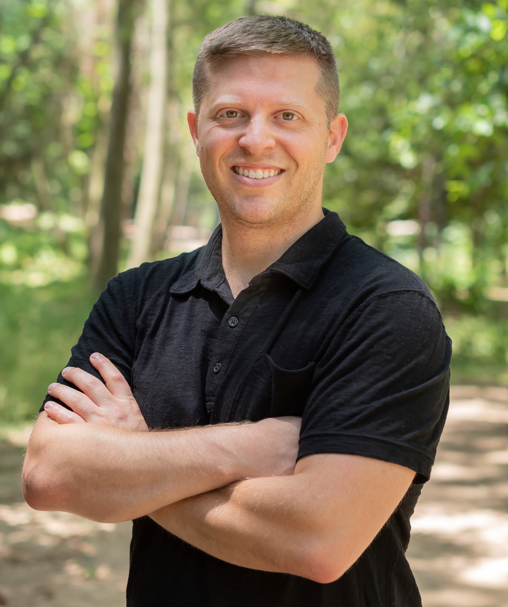
Todd Hagopian
Founder/CEO, Player One Energy
Chapters
Full Transcript
Sean Weisbrot: You told me something really interesting that billionaires subtract. Why is it that billionaires subtract when everyone else is thinking about addition and multiplication?
Todd Hagopian: Yeah, it's, uh, it's a great question and it's really an interesting answer. So I was talking to a really, really rich guy one time, and basically he told me this thing. He said, poor people add, rich people, multiply. Billionaire, subtract. I had heard the poor people adding, rich people multiply as I had kind of gone up the chain in business, because you, the poor people at lower level, you, you add stuff, you try and become as busy as possible. You get credit for being busy. You look good for being busy. And then as you get to director level and whatnot, you try to put systems and automation in place so that you can multiply, you know, multiply your time, multiply your. Productivity and things like that. Um, but when he said, rich people subtract, I asked him about that and he basically was saying what rich people do is they take stuff completely off their plate. And so it's all, it, it kind of goes back to the 80 20, but it's even more than that. It could be, it could be meetings. So he just, you know, he got down to three meetings a day and this guy's super rich. Three meetings a day could be emails. He might only open two out of a hundred emails. He scans 'em, opens what's. Um, what's important and doesn't open what's not. So I always tell people I've got 13,000 unread emails. Is it because I'm lazy or is it because I'm super productive? You know what I mean? I spend a half hour a day reading emails and I get just as many emails as everybody else. You know what I mean? So, um, so, so rich people. Multiply, but billionaires subtract, and it's all about taking things all the way down to only focusing on the one or two or three things that are the most important and driving the most productivity and the most money.
Sean Weisbrot: Do you think that they're able to do this because they've already automated and abstracted and hired a team to manage those other things?
Todd Hagopian: You know, it's a good question. It definitely makes it easier when you're automating money on the outside. But even those folks, and even the other businesses I've been in, you make all your money. From just a handful of things. So when you look at the 80 20, you really, 20% of your activities, or 20% of your customers, or 20% of your products is driving 80% of your revenue and 80% of your profit. It almost always works out, uh, to that Pareto principle, and, and what he's saying is even keeping that, even keeping that extra stuff around is making you unproductive. So focusing on having to outsource and having the resources in place to deal with those other people. Deal with those other products. He said, if you can just focus on the one or two products that are making all your money and you think about all that time you put into the other products and invest that back into the one that's making money, that's when you start really making a lot of money. So if you think about the people who, who really started out, like now they've gotten bigger, but Jeff Bezos got really, really good at books. Know what I mean? Like that's what he got good at. Google got really good at the webpage. That's what they got good at. That webpage was just so clean and so perfect. And, and that's what they, uh, focused on. You know, Google could have done anything once they got the traffic, they could have turned into Yahoo with the crazy webpage and all this stuff, but they stuck with the simplicity, drove traffic, and then found ways to make money from the traffic coming in.
Sean Weisbrot: Yeah, what you're saying makes a lot of sense. I never really thought of this deeply, but it makes sense now that when I had a consulting business back in China in 20 16, 17, 20 18, I had started off. Trying to be a fundraiser for companies like they're China. They're either Chinese companies that didn't speak English but wanted Western investors or Westerners in China that wanted money from Chinese investors.
Todd Hagopian: Sure.
Sean Weisbrot: And it was focused on the blockchain space. So it was a huge thing in the moment. So I, I hid at the right place at the right time, so I, I tried to start fundraising for them and doing that, got people to want me to be their advisor, which paid a lot more money. And was, was guaranteed. And then when I was doing that, I realized that they needed other things like getting listed on exchanges. And those were the things that really made me even a, a magnitude of order higher in, in money than the other things I was doing. Mm-hmm. And when I realized that I stopped. Taking on positions as an advisor and I stopped doing fundraisings and I just tried to get as many clients as I could, listed on as many of those exchanges as I could, because, you know, sometimes it would only be three or four days of work until it went from conversation, payment, being listed on the exchange. So I was getting paid. Pretty quickly for very little work, and I exploited that for as long as I could until the industry collapsed because people were spending money on things they shouldn't and making promises that they couldn't keep it. You know, the industry had its issues.
Todd Hagopian: Yeah, we talk a lot about profit per minute. And that's exactly what you're talking about, is figuring out what can make you the most money per minute of effort of work. You know what I mean? And um, and especially when you're bootstrapping and you're, and you're taking your own money, investing it in your own business, and, and you only have so much time and you might have a small team or no team. Every minute counts and every minute, uh, that you are more productive. It's kinda like a compounding interest, you know, as you grow your business. So if you can be more productive than somebody else for a year, you might end up three years ahead of them, you know, as that compounds out over your first couple years of, of business. So it's so important to, to be maximizing your, your basically profit per minute for that first couple years.
Sean Weisbrot: This is something that I've been thinking about for my YouTube channel. I've been doing it for four years, and there were so many things that I wasn't doing that I didn't realize I wasn't doing. And when I started to talk to Gemini, I was just started feeding it at analytics from my YouTube studio. It started telling me things about my audience that I didn't know, and it started telling me things about my videos and my thumbnails and, and things that I just, I wasn't aware of that were preventing my videos from being searchable. And so now I'm. Literally spending, I've spent like the last week and it'll take me another two weeks or three weeks to fix the over a thousand videos that I have for their titles, their keywords, their descriptions. Yeah. The, you know, there's so many things that I missed out on that will now make my content more searchable so it can grow more organically and. Like, if I had known all of these things years ago, I wouldn't be in this mess. I, so I'm fixing a mess that I created by not knowing, by piling up years of content that wasn't searchable.
Todd Hagopian: Yeah. And it, and it, that's such a great point, especially for people who might be trying to build their brand or build their business at the very beginning. Um, and, and I'm doing the same thing now with the books and the, and the speaking and, and what I'm doing is, what you're doing is, is focusing on things that are kind of evergreen and then build on themselves, right? You could go back right now and find a 4-year-old YouTube channel. It'll have a million views on it, and people are still finding it. Try and go back and find a 4-year-old tweet, try and go back and find a 4-year-old LinkedIn post, like they're gone. So there's certain things, and it's like SEO on your website and YouTube are the two biggest things that pop out as kind of this evergreen content. And if you think about it as profit per minute. Every minute you put into doing amazing YouTube content or amazing website content builds on itself and actually gets more and more powerful over time. Whereas a lot of people focus on Facebook and Twitter and LinkedIn and they're diving so much time into it, and that stuff's gone. You know, a month later it's not searchable anymore.
Sean Weisbrot: Right, which is, which is great for YouTube because I've also created little ads that I'm throwing into the videos and outros. So one of the things I realized that I wasn't doing was I, I was making shorts, but I wasn't making these horizontal clips that are like three to 10 minutes. And what I realized was I can grow the audience much faster organically if I have these, because if somebody doesn't know who I am, but they're being fed a three minute video, they're much more likely to watch that three minute video than that 30 minute interview. Yeah. Mm-hmm. And even if I don't put an ad in that three minute video, at the end of the video, I can say, Hey, why don't you watch another one of these things? And I can start to get them to watch a, a loop of content that then they start to wanna watch the interviews. And by doing that, I can create organic watch time, which gets me closer to monetization, which gets me to add revenue. And if I build this properly, I can get ad revenue from YouTube in my sleep. Now, obviously in the beginning it's not gonna be much, but it's. It's the snowball effect that. You know, because I have 200 and this is the 265th interview, if I have 265 interviews worth of clips, which is easily three to five clips each, I can now create another thousand or 1500 videos that are three to five minutes long. That are working all day, every day to bring me more audience members that can then go and watch the videos, the, the interviews, which can then give me more opportunities for sponsors to put ads inside of the videos. And, and, and that stuff is all evergreen, as you said. And so I'm, I can also use that to get people to go through funnels that, you know, turn into advisory clients or fundraising clients if I want, or send them over to the automation agency that I've invested in. So there's, there's so much potential that I think a lot of people are ignoring. And I, I think even though right now I'm not thinking about subtract, I'm thinking add, add, add, which sucks. It's the process of creating those, those processes mm-hmm. That will enable me to automate so that it can multiply so that in the future I can subtract and not have to think about it because it'll be on autopilot. Because the, the, the content I'm making will generate so much revenue that I can hire people to do the things that I'm doing right now, so that they can work to create more revenue.
Todd Hagopian: Let me tell you how this might work into subtract, and then let me blow your mind on some, some backlink strategy here that might help you, uh, because I'm doing something very similar. So, first of all, you could stop everything right now, make no more new content for the next year and a half, and you could probably implement this strategy right here and just blow up your. Your web, CEO, your visits, your funnels, everything would go crazy. You take those 265, um, I assume it's on, uh, on audio podcast already also, but you take those 265 Yes. You turn it into two weekly newsletters on LinkedIn. Okay? So you'll have two weekly newsletters on LinkedIn. You'll drop one each time, and it'll be a summary. You'll make a detailed summary of it. And then the, um, YouTube embed, okay. In the LinkedIn newsletter. And then you're gonna put three to five, uh, back links to your website. Okay? Then you're gonna do the same thing on substack. You're gonna drop one every day if you want to. On Substack, you can put one every day, you'll do three to five links there back to your website. And on Substack, you wanna make sure they're not the same content, so you'll do just the transcript on Substack. Okay. And then you're gonna go into YouTube and you're gonna do the three to five back links in the YouTube description. And what you've just done is got nine to 15 back links from 90 plus domain authority type websites going to your channel for every single YouTube video that you've got. And over the next year, if you wanted to do this, you could put together 3000 back links. Your domain authority on s on, uh, on, uh, your website, on your SEO would go up to 60 70 and your, your hits per month will blow up. Then if you have one of your automated funnels that you're talking about, it'll just start making you money. You'll start printing cash. In order to do all that work, you've gotta subtract, get stuff outta your way so that you can just focus in. And knock out this domain authority. And people don't understand, like you got so much content, you could, you could turn that content you already have. You don't have to do another podcast for a year and a half. Just do this. It'd be better than doing another podcast for a year and a half. You'll have 3000 links back to your website. Huge, huge domain authority. Um, it's what I'm doing basically right now is I'm going backwards. Uh, instead of new content, I'm going backwards in and putting 3000 links out there.
Sean Weisbrot: So I definitely agree that all of those things are valuable and, and things that I want to get onto. My thing at the moment is fixing the searchability of all of the videos that I have right now and the audio. So I'm fixing the video side and the audio side, and. Building up the clip base. Mm-hmm. Right. Because I've got the shorts going, but I have to do the clips, the three to five minutes and I have to connect those in to and make loops with them. That also then link over to the full interview so I can get people through there. So I'm trying to create all of this stuff now. Um, and once I've got, once I'm up to, uh, the current episode, 'cause Right, I'm dealing with hundreds of episodes. Then I can focus on some oth something else, like, like what you're talking about. Um, I just have to get through that so that the content is searchable, because making more content doesn't matter. If my old content isn't searchable, there's no reason to give up on that content because there's value. Even if these interviews are five years old, the content is valuable and the content is evergreen. Even if it, it has a date, if it was five years ago, the content inside is still evergreen and so. Um, refreshing the titles, refreshing the descriptions, refreshing the tags, making it searchable. All of this stuff is really important and I, I've been doing, um, links to my website, links to my, my LinkedIn links to the AI agency telling people about the advisory work that I do. There's a, a link in every description for that. Um. So, but, but then also sponsorship. So I am heavily focused on building an outbound from my sponsorship, because right now all of my sponsorship inquiries are inbound. And while they're great, they're not consistent. And so the only way to create consistency is to create an outbound. But in order to create an outbound, I have to improve my searchability and my organic growth so that I can reduce my reliance on ads. To get those sponsors where they want to be because they wanna see organic. Yeah. So there's a tremendous amount of things that are on my plate that are, that are taking my time, that are preventing me from doing those other things, but they're absolutely on my mind. It's just I have to be able to focus I, I, as you, as you pointed out. I, I have a DD and so focus is very difficult and so I have to subtract everything. I have to turn off my phone, I have to turn off all of my applications. I have to turn off everything to be able to just do one thing, and even when I'm sitting there doing that one thing I am. Really struggling with not just doing something else and going, screw this, lemme do this. You know, like, it, it's hard, it's hard to focus, it's hard to maintain that. And the only way to be able to do that for me is, is to just delete everything else from my life at that moment. And sometimes it, it's, its sucks, but like, it's the only way to get something done is to go, I have to do this thing to completion. It's the only thing I can do until then.
Todd Hagopian: Yeah, I, uh, I always tell people the easiest way to focus. Um, and I'm, I'm bipolar, as I mentioned to you off offline. I have, I have my own issues with focus, but the easiest way to focus for me is to be sure, to be absolutely sure that whatever I'm doing at that very moment maximizes my profit for a minute. If I know that there's nothing else I can be doing to be making more money right this second, it's a lot easier for me to zero in. And be like, all right, I'm knocking this thing out. You know what I mean? Because you're, you're just so confident that, that you've done, you've done all the deletion and you know, what you're doing right now is gonna drive the most dividends for your business growth.
Sean Weisbrot: For sure. Yeah. And being in Asia is a blessing and a curse for that right now because I can only take calls really early in the morning or really late at night because the people that I'm used to talking to are in the US and they're asleep. The rest of the time. So it's a curse because I have to basically work from when I wake up to when I go to sleep. Mm-hmm. But it's a blessing because the majority of my day right now, there's zero interruptions. Yeah. So I can have that focused time. Right. Yeah. That's great. So, so I, I had asked you previously about billion or subtracting. A lot of the people that are listening to this, they're early in their journey as an entrepreneur. A lot of them are solopreneurs looking at E-Commerce SA and SaaS or slash SaaS, and they're on a path to a hundred thousand dollars a year in revenue. Is it possible to skip through the poor and rich mindset and just like could they think like a billionaire from this early stage? In order to make their business blow up really fast or is it not possible? And you have to go through the steps. I
Todd Hagopian: actually think you have to do it in order to skip steps. Like if you want to skip steps, you have to start thinking like this. So, um, when you are, when you're building. You're chasing every single bit of revenue, right? We've all been there. Uh, like you said, somebody comes up and says, oh, you wanna help me with SEO? I'll go run after that. Rabbit, you wanna, you wanna consult on this? I'll go run after that rabbit. You know, that's, that's what you do when you build, because it's the fast cash model, right? Like, you wanna, you wanna go out and get whatever cash is. Available. But what that does is it, it slows your growth dramatically because you're going after all this stuff instead of getting really, really good on the couple things that are gonna drive your business and that are gonna help you grow. Uh, so people will inherently slow themselves down by not focusing. So I talk a lot about the Carin method, which you and I chatted about. It's basically, um, act, uh, results equal activity times efficiency times focus. So how much are you working? How efficient are you when you work, and then how much time focus, how much time is spent on those things that are driving all of your revenue? So how can you cut everything else out and make sure that in, you know, you might have a hundred things going on at 20 of 'em are driving your revenue. Um, and if you're working 40 hours a week, you might only be working eight hours on those 20% of the things. Right. If the guy next to you is working 48 hours a week because he's working 20% more than you, he's automated a bunch of stuff, and now he's just focused in on the couple things that are making money, and he's spending all his 48 hours on that versus your eight, he's spending six times as much time on the things that are driving the most revenue. That's the mentality that you have to get to. So you literally have to start thinking about either outsourcing or killing. The things that are wasting your time. Um, the 80 20 principle will tell you that 20% of things drive 80% of your revenue, but also 20% of things will take only 20% of your overhead. So all that other stuff. That's only delivering 20% of your revenue is taking 80% of your overhead, 80% of your admin time, 80% of your mental head space, like you're talking about, is spent on the stuff that's not making money. Think about how many times you get distracted and think about how much money you're making on those distractions. Usually distraction time, almost zero revenue.
Sean Weisbrot: I, I think you're giving young people FOMO right now. 'cause they're like, damn, there's people that are working more than me. Like, I thought I was already working really hard. Right. Have you heard of, uh, monk Mode? No. So there's this, I, I think it's like a Gen Z concept, which I have no problem with. I think it's fine. Monk mode is where you basically shut everything off from your life and you just work out work. Go to sleep. Sure. And some people will go to Bali for six months with a mate or two and they rent a house together and they just do monk mode. They're just supporting each other. They're working out. They're working, whether it's on a business together or different businesses, but you know, side by side, like a coworking. Um, I think it's a really beautiful thing because I think they have the right mindset that I just need to put my head down and do it. I have to get this done. I have to do something. Um, with that said, gen Z is also really great at being distracted by shiny objects.
Todd Hagopian: Yeah.
Sean Weisbrot: So you, you mentioned the Ian Method. Can you go a little bit more deep into that? Sure.
Todd Hagopian: Yeah. It's named after Alexander Caran. He's, um, he's one of the greatest, he is the greatest wrestler of all time. So he was a heavyweight wrestler. Olympic wrestler went 13 years without. Um, losing a match actually won a couple of different Olympics without even getting a point scored on him. Um, and the idea here is, is that he is a monster. Like he is. Uh, they called him, uh, the experiment that was his nickname because he just looked ridiculous, right? And everyone was like, oh, he is on performance enhancing drugs. I mean, they tested him all the time, never got anything. Uh, and, and they would ask him, you know. What do you say to people who say you're on performance enhancing drugs? And what his answer was is the people who accuse me of being on drugs have never worked as hard in a single day as I work every day. And the idea is, is that he spent all of his time on the things that was gonna make him a better wrestler. So people are out there doing bench press, they're out there doing this and that, and he's doing things that literally make him stronger on these specific moves. Know that he's going to be doing, and, and it's just all about, all about focus, all about training in a different way and thinking about things differently. And you and I chatted a little bit about that. Like you are never gonna make more money than the guy next to you if you read the same 20 business books and you do the same stuff that's in the business books as all of your competitors, right? You're going up against smart people. We've all read 'em. I've read 'em too. You have to act differently though if you wanna make a differentiated amount of money. Um, and so you have to train differently. You have to think differently. You have to focus very differently if you wanna skip steps and, and move to that next level faster.
Sean Weisbrot: And how are you applying that in your life?
Todd Hagopian: Yeah, I mean, I, I mean, so I run, I run a large business now, as I mentioned, so I've, I've run small businesses right now. I run a $90 million business. And, um, and, and essentially, um, it is all about, all we talk about is focus. So we cut, cut skews, we increase price, we get paid for complexity, you know, so if we're going to take on something. That actually does distract us or does add complexity to the situation. You either outsource it or you get paid for it, or you cut it out. You know what I mean? So those are the kind of the, the ideas behind the 80 20 and the rein method is, is it might not always be a, don't do it like a no. Maybe it's a yes, but yes, I will take on that extra consulting gig, but I'm gonna get paid for it because I know it's gonna distract me. I know it's gonna take me off the eight ball. So if I take that on, it's gonna be at this price instead of this price. And it's okay if they say no, because if they say no, I'm gonna get to invest that time back into the 80, you know? And so, um, that's how I do it. I mean, I, I, like I said, every month I'll go through my email or go through my meetings and I look at what I can kill. So what meanings can I kill? What meanings can I shorten? What meanings can I lower the invitees? Try to get people down as much as possible. And then I have everybody in the company do it. And that way we're all spending less time in meetings, more time working. And that we do the same thing with emails. So how many emails can you cut out? Do you know what happens when I stop sending emails? This is an awesome trick. I've done this novel last couple weeks. I just stopped sending emails. Um, and 'cause when I send an email, my whole team then sends emails down to their guys. That team sends emails around and everyone's struggling to figure out like what I wanna get accomplished, so I just stopped sending emails. The first thing you notice is that you stop getting emails back, right? I don't get 15 responses back anymore, so now I have less to do. I have less incoming stuff. To do. And, and what I do now is I pick up the phone and call or I walk around the room, you know, and get in somebody's desk and get in somebody's office and talk to 'em. Uh, but this is about, this is how you really focus in and think about the things that you might be doing that are driving all this extra admin work, driving all this extra activity, driving all this extra inefficiency in your day and in your company.
Sean Weisbrot: Can you tell me a little more about the company? What does it do?
Todd Hagopian: Yeah, right now I run a food equipment company. Uh, so I run one of the divisions for JBT Morell, which is $4 billion company, but I run one of the divisions in Ohio. Um, and then on the side, of course, I've got my books and I'm building my brand. So I've got a website that I'm putting together, um, at gobin.com and I just basically am, uh, going to launch three books, got a three book deal, and I'm building that brand. So that's the one that I'm more bootstrapping like you're talking about and trying to focus in on all my time. Uh, spent building so.
Sean Weisbrot: You said you got a three book deal with a publisher?
Todd Hagopian: Yeah, actually I had started out as self-publishing. Um, and I was working through that and I was writing and I was kind of talking with publishers here and there and I ended up running into one and um, and I told them my plan, 'cause I had this plan to publish three books since basically this business trilogy concept where you launch business fiction first, which is not very common, but is extremely. Effective. So you launch business fiction first to illustrate the model. Then you launch a non-fiction book. Second to explain all of it in greater detail. And then you launch a contrarian book. Third uh, lead contrarian leadership book, which are really popular to show how to implement the idea. And then if things go right, I will launch a fourth and a fifth, which will be assessment based books like Strength Finder. That will go around business transformation. So how to, what type of business transformation leader are you, what type of executive are you? Uh, so I think that's gonna turn into a five, five book kind of, um, five book deal here. And, uh, and so like I told you, since I'm gonna be launching books for the next three years, it's really important that I spend all my time on things that will not only help this first launch. It's actually more important that they're gonna build and build and build throughout. So I might not even be working on the same stuff as you might be if you were gonna launch one book. Right. I'm working on stuff that 18, 24 months from now are gonna really start hitting so that when the third book comes out, you know, I've really got a 20,000 person email list and a 30,000 person email list and a huge SEO score and maybe I'm in, you know, Portugal and Canada and UK websites and stuff like that. By then, you know.
Sean Weisbrot: I tried to self-publish three non-fiction books. Well, I, I successfully self-published three non-fiction books that nobody bought, which is fine. I did it 'cause I was, I wanted to test myself and I didn't have anything to do. I, I was, uh, recovering from an injury. So it was a, an exercise for me to focus my energy on something positive. And so I was able to write these three books in about six months. Just I didn't have a job, so I had nothing to do. So I literally just wrote all day every day. And they were nonfiction. Um, they were, two of them were about. Life in China. One was about life in the US from the point of view of trying to understand the culture, the language, uh, different aspects of how to get around this culture. And, and you know, a lot of what I did and the reason why it took so long was one, AI didn't exist yet. And two, the, uh, a lot of what I did in the Chinese culture books were taking like, oh, if you're gonna move to China, you need a bank account. Okay, well here's a bank form. I'm translating it for you so that you can go to the bank and you can read the form. Right. So I did a lot of that. So I had to go around and I had to get these forms. I had to, you know, precisely figure out what is the process for the sim card. 'cause I was already living there. So like it was easy to go and do it, um, where I saw people talking about culture, but nobody was talking about how to actually move to China and live in China and thrive in China. But I never, I never sold any of those copies. Um, but it was great. It's still on my Amazon. I think you could probably even buy it still. But, um, I. Previously when I was younger, I, I started five fiction novels and never finished the second chapter of any of them. Yeah. But I, I knew exactly how I wanted the stories to go, and I, so I had the beginning, the ending, so Chapter one, chapter two, and whatever the final chapter was, but I had none of it in between for any of the books. That's a DD. You're great at starting things. And that's why when I was able to finish those three books, which they were all like 80 pages, each, these, these fiction, uh, these nonfiction, to finish something and publish something was such an accomplishment for someone with a DE. So I am, I don't envy the work you have to do to make it happen. But it's definitely great that you have that opportunity and, and, uh, I hope you do well with that. Something that I will mention to you is I met a guy, I, I don't think I ended up interviewing him, but he said that he figured out how to run profitable ads on Amazon, and so he was selling like. I think 10,000 to $15,000 a month worth of books based on like a thousand dollars in ads. Yeah, there's um, there's
Todd Hagopian: some very cool automated funnels, um, and there's a lot of people out there selling different versions of it now. Um, most of them are making money not on the books. Um, they're making, like they've got the book and then, um, they might sell the book for just shipping and handling, you know, nine bucks. You get the book and then as soon as you buy it, you get that offer that's like, Hey, you want the $60 webinar? Hey, you want this a hundred dollars masterclass? Hey, you want this a thousand dollars coaching and, and what they can do. If you automate those funnels and you know that every a thousand dollars you put in, you're gonna get $1,200 back in whatever coaching, you know, webinar masterclass or book. Then if you know you're gonna make 1200 bucks every time you put a thousand in, you can, you can spend $30,000 a month advertising 'cause you're getting 36 back
Sean Weisbrot: and Alex Oz's model is use your credit card. Yep. Like if, like if, if you know that you could spend a thousand dollars to get 1200, then why aren't you spending a million dollars right now? 'cause you'll get 1.2 million. As long as you get that money within 30 days, you can pay off your credit card bill, which means you can afford to continue doing that.
Todd Hagopian: Yep, that's exactly right there. There is always a decline curve that you gotta be careful of so you don't outspend the decline curve where suddenly, you know, diminishing returns. But, but it's exactly right. And that's, um, you know, I don't do consulting right now 'cause I've got a job. Uh, but, but that is the model, you know, that, that people do is they will put. Consulting on top of that. And as long as they sell to one outta every 150 people that buy the book or whatever, you know, that ad is profitable and they can just drive it in. So I've seen people do that where they're selling 10,000 books, you know, on ads. Usually they're not making money on the actual book, but that'd be awesome if that guy is. But usually they're not making money on the book. They're making money on the second and th tertiary offers, um, which is allowing them to drive more book sales,
Sean Weisbrot: you know? He's making money on the book because he found a way to, it's something like, I almost like Amazon is like losing money selling the book for him based on what they're paying him and like what they are selling it for. I don't know exactly what it is. I, I wish I had spoken to him again. 'cause if I knew then, like I'll try to run ads to my own books and see if people wanna buy them. Yeah, yeah, yeah. But it's just, it's just another one of those distractions. Yep.
Todd Hagopian: Mm-hmm.
Sean Weisbrot: Yeah, I would love to have something that, you know, can be automated that 'cause I, I, I also have a course, I, I made a course, that was another thing. I successfully made a video course. I went to Thailand for five weeks. I was living, you know, obviously I was living in Asia, so like to fly from China to Thailand is like a hundred dollars and like two hours. So. I went to Thailand, into the mountains in this tiny little town for six weeks, put my head down and I just made a video course. I had never done it before, but I knew what I wanted to make and I figured out the steps. I did it. And then I self-published on, uh, Udemy. And even today, nine years later, I still get checks from Udemi. It's like $3 a month or like $5. Like I don't even. I did no advertising. All I did was I, I did. And so over the course of these nine years, I've made back all of the money that it cost me to make the video end the trip and time in Thailand and like maybe a bit more. So as far as I'm concerned, I got my money back.
Todd Hagopian: Yeah,
Sean Weisbrot: I'm happy with it. Um, so what's the most important thing you've learned from your journey so far?
Todd Hagopian: Yeah, I mean the, the biggest thing for me, I think is, is this evergreen content, but also just this content multiplication strategy that we kind of started talking about. So, um, so what I've done, and I've actually automated this now and gotten this into a system so that I can keep doing it on future books, but basically I break the book into pillars. So you get 10 chapters, you know, 10 pillars of 10 different ideas, and then you start content multiplying. From these pillars. So what kind of, you look at all the stuff that drives SEO drives, search drives, GEO, generative AI searches. It's like, so you take that 10 pillars, you'll turn one into a how to, you'll turn it into a checklist. You'll turn it into a myth buster. You know, you'll turn it into a 10 laws of. And then you, and then you also just do a 10,000 plus word pillar article, which you already have. 'cause it's in the chapter. So you just turn it into an article. Um, and that becomes a huge, huge get on your website. And here's the deal is, and something I've learned, I've worked with Brand Builders Group and they've taught you this and, but the idea is, is that, um. He always says, people don't pay for information. They pay for organization. You can put your entire book, every single word of your book, times two on your website. Nobody's gonna read every page of your website, but people are going to buy from you if they read something they like or if they see something they like. Here's something they like that you say. And so the idea is you take every single bit of your website or every single bit of your book, and you turn it into content, and then you turn it into these contents that can multiply like your YouTube channel, so that YouTube turns into a LinkedIn article, a LinkedIn newsletter, and then it turns into a substack, and then it turns into 10 articles on your webpage. Now you've got back links coming in from really valuable websites. You've got you, you might've spent. 20 minutes, half hour, I guess you have longer ones. I do seven minute YouTubes. But, but you, you might spend an hour putting that half hour together and you just turned it into 10 or 15 pieces of content that are gonna not only live forever, but also keep driving new traffic to your website. Now, if your sites, or if your, if that course is on your website and you've got a funnel to it, now all of a sudden for years and years, not only is it getting, but it's getting bigger. As that 10,000 word article kind of marinates on your website, it might get 500 hits the first month by month 18, it's getting, that article alone is getting 8,000 hits by month 36. It's getting 20,000 hits. You got a thousand of those on your website. After five years, you're up to, you know, a hundred, 200, 300,000 hits a month of people that are just hitting your website. Now, if you've got the popups and you've got the funnels. Put together, right? Every single thing that you've done over the last three years that now you're selling stuff off of is making you money. And so it's that long-term mindset, but it's how much am I gonna make off of this hour's worth of work? That's what I'm looking at. So if I spend an hour writing an article that's gonna live forever and end up getting 8,000 views itself a month, you know, down the road, and it's gonna have a popup on it, that's gonna have a $200 offer. Know what I mean? Like now that one hour of work, how much is that making me? And that's what I've learned is like I could spend a ton of time doing Twitter and Facebook and LinkedIn. That's not where the money is. The money is multiplying your content and figuring out your evergreen strategies and and mine are gonna be the YouTube and the SEO.